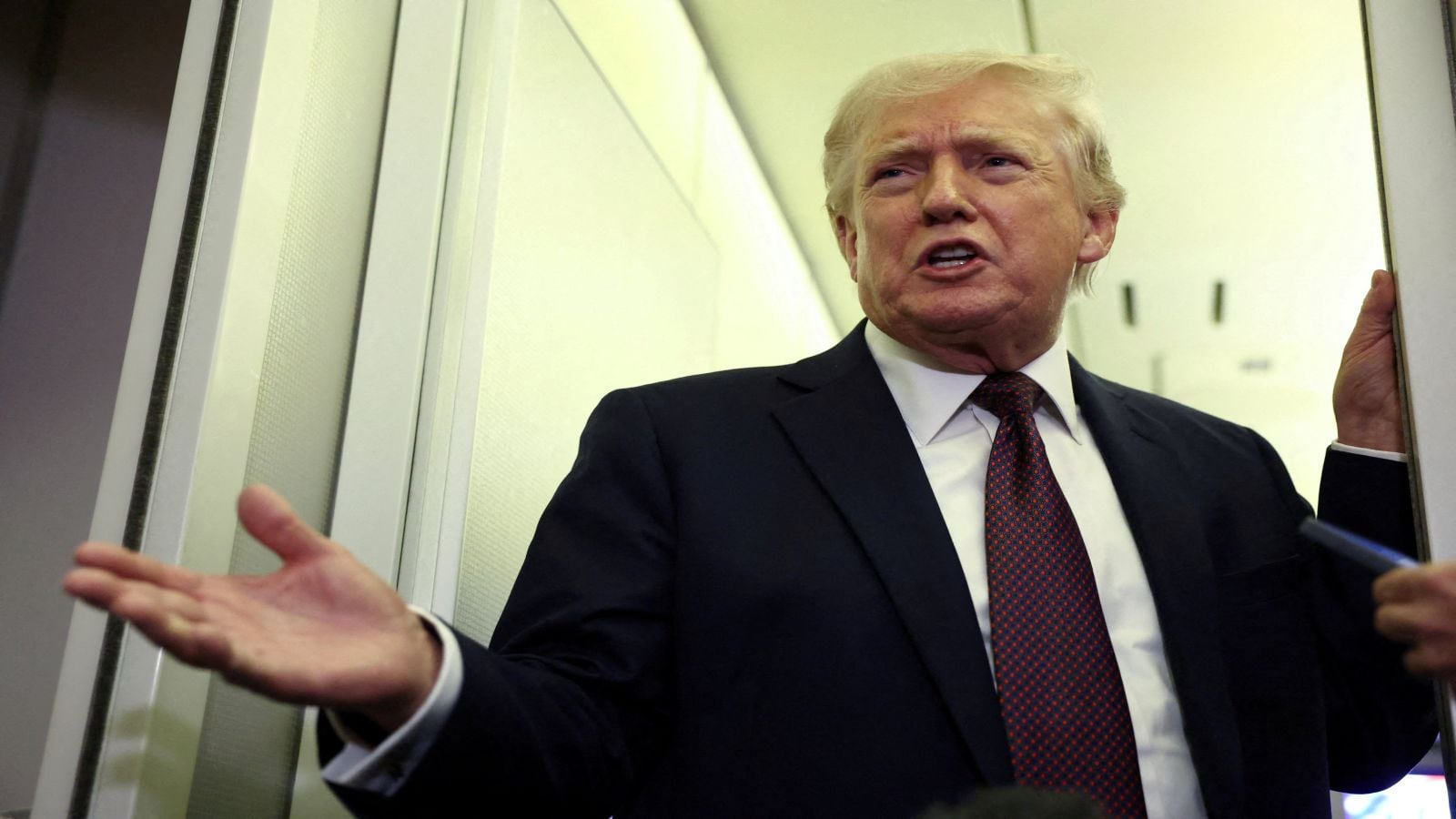
The mainstream media loves a simple narrative. Donald Trump calls Italian Prime Minister Giorgia Meloni a "nice person" but publicly chides her for failing to help the US rein in Iran. The immediate, lazy consensus from political commentators is predictable. They treat it as a standard diplomatic rift, a story about personality clashes, or a sign of fracturing Western alliances.
They are missing the entire point.
This isn't a breakdown in diplomacy. It is theatre. It is a carefully choreographed public dance that serves both leaders perfectly at home while completely ignoring the brutal economic realities of Mediterranean energy and trade infrastructure.
To understand why Trump’s public scolding of Meloni is a distraction, you have to look past the political theater and analyze the structural economic ties that dictate Rome's foreign policy. Italy cannot simply "help" the US isolate Iran without burning its own house down.
The Illusion of the "Nice Person" Foreign Policy
Commentators spend hours dissecting Trump’s rhetoric, parsing what it means when he calls a foreign leader "nice" before dropping a policy hammer. It means nothing. It is a classic negotiating tactic designed to separate the individual from the state apparatus, allowing him to apply maximum pressure while leaving a door open for a transactional deal later.
But the real flaw in the public analysis is the assumption that Giorgia Meloni is failing to cooperate out of ideological stubbornness or weakness.
The political reality is that Italy occupies a hyper-specific, highly vulnerable position in the European energy grid. Since the geopolitical shifts of 2022 forced Europe to abruptly cut ties with Russian gas, Italy has desperately scrambled to transform itself into the energy hub of Southern Europe. You don't achieve that by blindly signing onto unilateral Washington sanctions that destabilize the broader Middle East and North Africa (MENA) region.
For Italy, stability in the Mediterranean isn't a policy preference. It is an existential requirement.
Why Italy Cannot Just Flex on Tehran
When Washington demands that Rome take a harder line on Iran, it ignores the domino effect in the Mediterranean. Let’s look at the actual mechanics of Italian trade and energy security that the talking heads completely bypass.
- The North African Dependency: To replace Russian gas, Italy heavily relied on increased flows from Algeria and Libya. Algeria maintains deep diplomatic and strategic ties with Iran. For Meloni to aggressively alienate Tehran means risking friction with the very North African regimes keeping Italian factories running.
- The Maritime Chokepoints: Italy is a peninsula stuck in the middle of a massive trade highway. The conflict involving Iran-backed factions in the Red Sea has already driven shipping costs through the roof for Italian ports like Trieste and Genoa. If Rome escalates its stance, it risks further targeting of maritime routes that feed its economy.
- The ENI Factor: Eni, the state-backed Italian energy giant, operates with a level of geopolitical autonomy that rival governments often underestimate. I have watched corporate boards and state planners navigate these crises for two decades; you do not abandon decades of carefully cultivated regional neutrality because of a stray comment at a press conference.
Imagine a scenario where Italy fully aligns with a maximum-pressure campaign against Iran. It wouldn't stop Iranian regional influence. It would simply ensure that Italian corporate interests are blocked from future reconstruction contracts, while French, Chinese, and Indian state enterprises quietly fill the vacuum.
The Real Winner of the Public Spat
This public finger-pointing is a win-win for both Trump and Meloni’s domestic bases.
Trump gets to signal to his voters that he is holding European allies accountable and refusing to let America foot the bill for global security. He maintains his image as the ultimate transactional dealmaker who puts America first, regardless of how friendly he is with the foreign leader in question.
Meloni gets an even bigger win. For a right-wing leader constantly accused by her domestic opposition of being a puppet of Washington or Brussels, a public disagreement with the US President is pure gold. It proves to her nationalist base that she is putting Italian interests first. It allows her to project the image of a sovereign leader who can say "no" when the demands of an ally jeopardize Italy's internal economic stability.
The consensus media views this as tension. In reality, it is a symbiotic political spectacle.
Dismantling the "People Also Ask" Delusions
If you look at the common questions surrounding US-Italy relations and Iran sanctions, the ignorance is striking. Let's answer them with some blunt realism.
Why doesn't Italy just enforce US secondary sanctions on Iran?
Because secondary sanctions are an aggressive overreach of American extraterritorial jurisdiction that European sovereign nations inherently despise. When Italy complies, it compromises its own sovereignty. More practically, Italian mid-sized manufacturing firms—the backbone of the northern Italian economy—have historically relied on Middle Eastern trade. Forcing them out of these markets completely destroys local businesses for an American foreign policy goal that changes every four to eight years.
Is Meloni breaking away from the Western alliance?
Absolutely not. Italy remains a core NATO member and a reliable partner on major transatlantic security issues. But alliance does not mean subservience. Meloni understands what Washington often forgets: a weak, energy-starved Italy is useless to NATO. Protecting Italian energy security is protecting the southern flank of the alliance.
The True Cost of Washington's Blind Spot
The real danger here isn't that Trump and Meloni don't get along. The danger is that Washington continues to view foreign policy through a purely ideological lens, completely blind to the micro-level economic realities of its allies.
You cannot demand that an ally isolate a major regional power when you offer zero alternatives for the collateral economic damage they will sustain. If the US wants Italy to take a harder line on Iran, it needs to guarantee absolute maritime security in the Mediterranean and offer concrete, long-term energy subsidies to offset the loss of regional stability.
It won't do that. Instead, we get public complaints about who is "nice" and who isn't helping enough.
Stop reading the headlines about diplomatic friction. The next time you see a US President blast a European ally over Middle Eastern policy, stop looking at the podium. Look at the shipping lanes, look at the gas pipelines, and look at the domestic polling numbers of both leaders. That is where the real policy is made. Everything else is just noise for the cameras.


