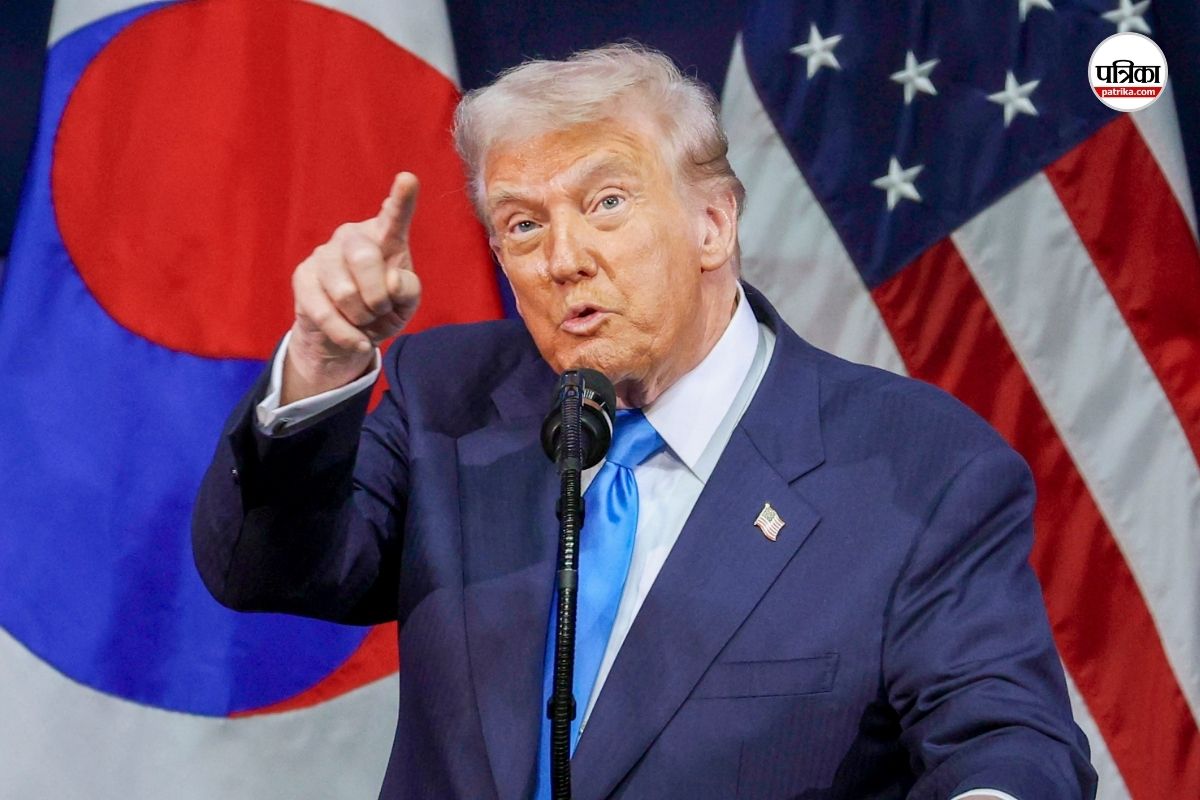
The rhetoric of total destruction has moved from the fringes of geopolitical theory into the center of the Oval Office’s messaging. When Donald Trump warns that a "civilization" could be ended overnight, he is not merely posturing for a domestic audience or engaging in the hyperbole that defined his first term. He is signaling a fundamental shift in American military doctrine toward Iran—a move from containment to existential threat management. This isn’t about a few drone strikes on proxy warehouses in the desert. It is about the credible threat of overwhelming force directed at the very foundations of the Iranian state.
Understanding the gravity of this shift requires looking past the social media outbursts. For decades, the Washington consensus operated on the "salami-slicing" method of diplomacy and sanctions. You trim a little bit of their oil revenue here, you freeze a few assets there, and you hope the internal pressure forces a change in behavior. Trump has effectively set that playbook on fire. By framing the conflict as a civilizational endpoint, he is removing the safety buffers that previously prevented regional skirmishes from escalating into total war. Recently making headlines in this space: The Spectacle of Unity and Why the Special Relationship is a Ghost.
The Mechanics of Existential Posturing
The threat to end a civilization is a specific type of psychological warfare known as "maximum deterrent signaling." In the past, US presidents were careful to distinguish between the Iranian people and the Iranian regime. They wanted to keep the door open for a popular uprising. Trump’s current language intentionally collapses that distinction. By suggesting the entire entity is at risk, he aims to create a state of absolute paralysis within the Islamic Revolutionary Guard Corps (IRGC).
If the leadership in Tehran believes that any significant miscalculation will result in the literal erasure of their infrastructure, their internal calculus changes. They can no longer rely on the "proportional response" doctrine that has governed Middle Eastern conflicts since the 1980s. Additional information into this topic are covered by Reuters.
However, this strategy carries a massive risk. When you tell a cornered animal that its entire existence is about to end, you don't always get submission. Sometimes you get a desperate, pre-emptive strike. The IRGC has spent forty years preparing for exactly this scenario, burying their nuclear facilities deep into mountains and distributing their missile batteries across a vast, rugged geography that makes a "quick" victory a logistical nightmare.
The Nuclear Threshold and the Point of No Return
At the heart of this escalation is the ticking clock of Iran's nuclear program. Intelligence reports suggest that the "breakout time"—the period needed to produce enough weapons-grade uranium for a single bomb—has shrunk to a matter of weeks, if not days. Trump’s threats are timed to this reality. He is attempting to build a rhetorical wall that the Iranians cannot climb over without triggering a cataclysm.
Western allies are watching this with a mixture of quiet support and public horror. While Israel views a hardline American stance as the only way to prevent a nuclear-armed Iran, European capitals fear that Trump is backed into a corner of his own making. If he makes a threat this large and Iran calls his bluff, the United States loses its global standing. If he follows through, the global energy market collapses, and the resulting refugee crisis would make the 2015 Syrian exodus look like a minor displacement.
We must also consider the "Madman Theory" of international relations. It suggests that if your opponent thinks you are volatile enough to actually push the button, they will be more likely to negotiate. Trump has used this before with North Korea. The difference here is that Iran is not an isolated hermit kingdom; it is a regional powerhouse with "octopus arms" reaching into Lebanon, Iraq, Yemen, and Syria. A strike on the "head" of the civilization would instantly trigger every one of those arms to squeeze.
Logistics of a Modern Catastrophe
What does "ending a civilization" look like in a modern context? It isn’t just about bombs. It’s about the total neutralization of the power grid, the water filtration systems, and the digital financial networks.
- Cyber Warfare: The first shots wouldn't be heard. They would be felt when the lights go out in Tehran and the banking system goes offline, preventing the regime from paying its soldiers.
- Kinetic Strikes: Targeted bombing of the Kharg Island oil terminal would bankrupt the nation in forty-eight hours.
- Naval Blockades: Closing the Strait of Hormuz is the "nuclear option" of conventional warfare. It would choke Iran, but it would also send the global price of crude oil to $200 a barrel, triggering a worldwide recession.
The Iranian regime knows these are the stakes. Their response has been to integrate themselves so deeply into the Chinese and Russian orbits that any American attempt to "end" them would necessarily involve hurting the interests of other superpowers. This is the shield they’ve built: making their destruction too expensive for the rest of the world to permit.
The Internal Iranian Fracture
Behind the scenes, the Iranian leadership is not a monolith. There is a brutal internal struggle between the old-guard clerics and the younger, more pragmatic military commanders who realize that a war with the United States is a war they cannot win. Trump’s threats are designed to widen this crack. By raising the stakes to the level of "civilizational survival," he is forcing every person in the Iranian halls of power to ask if the current path is worth the total annihilation of their heritage.
The tragedy of this hardline approach is the collateral damage to the Iranian middle class. These are the people who are most likely to Westernize the country from within, and they are the ones currently being crushed between US sanctions and the regime’s tightening grip. Every time a threat of total destruction is issued from Washington, the hardliners in Tehran use it to justify more domestic repression, claiming they are protecting the nation from a "crusader" invasion.
A New Doctrine of Total Risk
The era of "strategic patience" is dead. We are now entering a period where the United States is willing to use the language of the apocalypse as a standard diplomatic tool. This isn't just a Trump quirk; it represents a growing exhaustion in the American electorate with "forever wars" that have no clear ending. The new logic is simple: if we have to fight, we aren't going to manage the conflict for twenty years. We are going to end it in twenty minutes.
This approach assumes that the Iranian leadership is a rational actor that values survival above all else. But history is littered with regimes that chose ideological purity and national martyrdom over logical surrender. If Tehran views their religious mission as more important than their "civilization," then Trump’s threats won't deter them—they will only accelerate the timeline toward a confrontation that no one is truly prepared for.
The coming months will determine if this was a masterstroke of coercive diplomacy or the greatest foreign policy blunder of the century. There is no middle ground when you are gambling with the survival of an entire culture.
The pressure is now at a boiling point. Iran’s centrifuges are spinning, American carrier groups are in position, and the rhetoric has reached its ceiling. There are no more words left to say. Either the Iranian regime flinches and returns to the negotiating table with massive concessions, or the world watches to see if the American president was serious about pulling the trigger on a civilization. The cost of being wrong is too high to calculate.
Stop looking for a de-escalation that isn't coming. Watch the movements of the tankers in the Persian Gulf and the movements of the money in the offshore accounts. That is where the real story is being told. The civilization isn't going to end because of a tweet; it's going to end because both sides have convinced themselves that the other side is incapable of making the first move. They are both wrong.