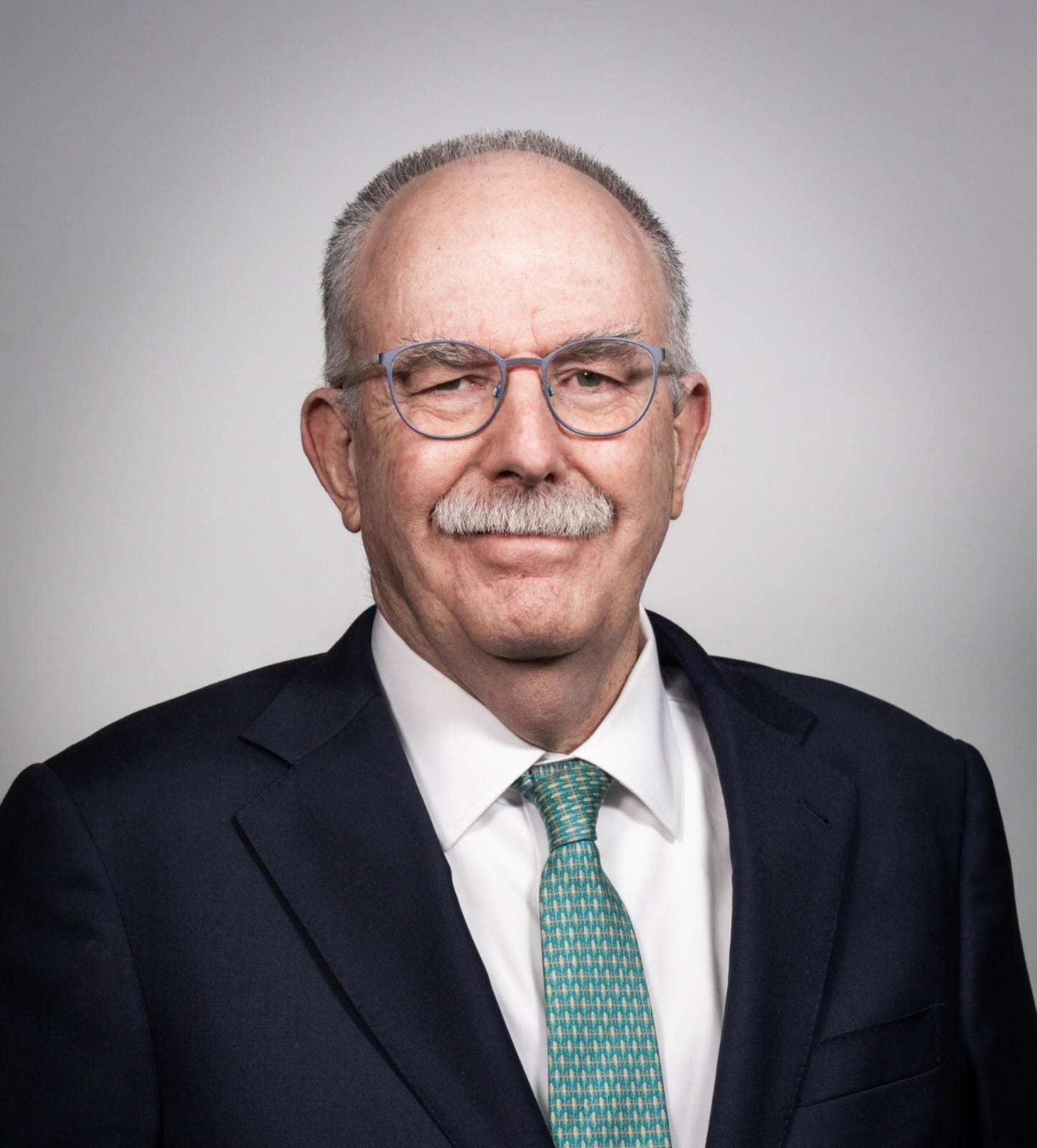
The arrival of Donald Trump Jr. in Banja Luka this week was not a standard diplomatic visit, and that was precisely the point. While the U.S. Embassy in Sarajevo scrambled to categorize the trip as a "private capacity" affair, the optics on the ground told a far more aggressive story. Speaking to a room of business leaders in the heart of Republika Srpska—the Serb-run entity of Bosnia—Trump Jr. did not just promote the family brand. He delivered a blistering indictment of the European Union, labeling its regulatory and social policies a "parasitic" influence that has turned Western Europe into a "disaster."
This is the sharp edge of the Trump administration's second-term foreign policy, where the lines between the Oval Office and the Trump Organization have become functionally invisible. By choosing Banja Luka as his pulpit, Trump Jr. effectively bypassed the central Bosnian government to cozy up to Milorad Dodik, the Bosnian Serb leader who has spent years threatening to break the country apart.
The Eastern Bastion Strategy
The core of Trump Jr.’s argument rests on a manufactured divide between the "woke" West and an idealized, hardworking East. He told his audience that the biggest names in global finance and tech are privately terrified of the EU's trajectory, viewing it as an environment where innovation goes to die under the weight of bureaucracy.
This rhetoric isn't just about business climate; it’s about signaling a shift in who the United States considers its true allies in Europe. By praising the "work ethic" of Eastern Europe as a "last bastion of hope," Trump Jr. is reinforcing a burgeoning alliance with nationalist leaders like Hungary’s Viktor Orbán and Serbia’s Aleksandar Vučić. For these leaders, the Trump family represents a shield against the liberal democratic requirements of the EU, which often come attached to financial aid and membership talks.
Secessionism Underwritten by Washington
The danger here is not merely rhetorical. Bosnia has been balanced on a knife-edge of a fragile peace since the 1995 Dayton Accords. Milorad Dodik has repeatedly called for the secession of Republika Srpska, a move that many analysts fear would reignite the ethnic violence that claimed over 100,000 lives in the 1990s.
Under the Biden administration, Dodik was sidelined and hit with sanctions. The current Trump administration has reversed that course, lifting sanctions and sending the President’s eldest son to share a stage with Dodik’s allies. This provides the separatist movement with something more valuable than money: legitimacy. When the son of the American president suggests that the EU is a failing experiment, he provides a moral and political roadmap for those looking to exit.
Business Interests as Statecraft
We have to look at the ledger to understand the motivation. The Trump Organization is currently pursuing a massive expansion in the Balkans. This includes a $500 million luxury hotel project in Belgrade, situated on the site of the former Yugoslav Ministry of Defense—a project brokered by Jared Kushner. In Albania, Ivanka Trump has secured deals for a $1 billion luxury complex.
These are not just buildings. They are anchors of influence. In the Balkans, "business" is rarely just business; it is the currency of political loyalty. By positioning the Trump brand as an alternative to EU investment, the family is creating a transactional ecosystem where political support for the Trump administration is rewarded with high-end real estate developments and infrastructure deals.
The Looming Fracture
Trump Jr. predicted a "major fracture" within the EU, and he seems intent on helping it along. The strategy is to exploit the growing resentment in nations like Poland, Hungary, and the Balkan states toward Brussels' mandates on everything from climate policy to the rule of law.
By framing these EU standards as "parasitic nonsense," the Trump camp is encouraging a bloc of nations to prioritize bilateral deals with the U.S. over their commitments to European unity. This is a deliberate attempt to dismantle the post-war consensus that a unified Europe is the best guarantee of regional stability.
The reality of the situation is that Bosnia remains a candidate for EU membership. The bloc is still the country’s largest trading partner and provider of financial aid. However, the EU cannot compete with the raw, populist appeal of the Trump brand, which offers investment without the "common sense" or "woke" strings of democratic reform.
As Trump Jr. moves on to the next stop of his "Business Vision 2025" tour, the message left behind in Banja Luka is clear. The United States is no longer interested in being the guarantor of European integration. It is now the primary disruptor, betting that the future of the continent lies not in Brussels, but in the hands of the strongmen and developers currently carving up the East.