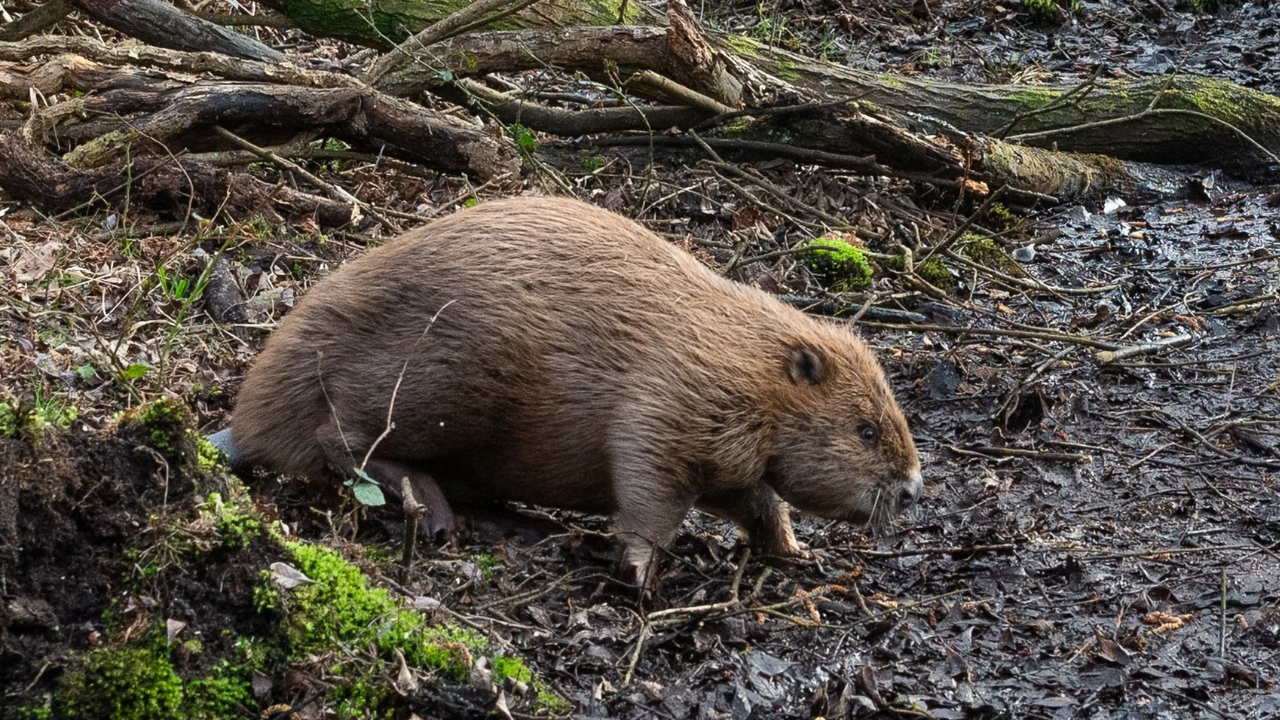
You won't believe what happens when you let nature do the engineering. Beavers are back in Dorset, and they are changing everything.
People get this completely wrong. They think rewilding is just a nice idea for Sunday afternoon documentaries. It is not. It is hard, messy, and remarkably effective science. When conservationists released Eurasian beavers into a secure Dorset woodland enclosure back in 2025, critics rolled their eyes. They worried about flooded fields and chewed-up timber. They missed the bigger picture entirely. One year later, the results speak for themselves. Those busy rodents built a series of complex dams that completely transformed the local hydrology. Water slowed down. Sediment dropped out. Creeks that used to run brown and choked with agricultural runoff are now running clear.
Nature knows what she is doing. We just had to get out of her way.
The Real Cost of Tame Water
For centuries, we treated our waterways like concrete highways. We straightened rivers. We cleared out fallen trees. We drained wetlands so we could farm right up to the muddy banks. Then we acted shocked when towns flooded downstream and trout populations crashed.
Straight lines are unnatural. Water needs friction. It needs obstacles, pools, and side channels to lose energy.
When the Dorset beavers moved into their woodland home, they didn't consult an environmental impact report. They just started working. They felled willow and birch. They packed mud and sticks into tight barriers across the stream. Within months, small trickles turned into sprawling, braided wetland complexes.
Here is what actually happened behind those wooden walls:
- Water storage improved dramatically. The newly formed ponds held back millions of gallons of water during heavy winter rains.
- Pollution dropped. Silt and excess nitrates from nearby farms settled into the wetland bed instead of flowing straight into major river systems.
- Biodiversity exploded. Insects, amphibians, and rare bird species showed up within weeks of the first pond filling up.
You don't need a multi-million-dollar engineering budget to fix a broken watershed. You just need a rodent with a strong work ethic.
Overcoming the Fear of Flooding
Farmers and landowners panic when they hear the word beaver. It is an understandable reaction. Nobody wants their prime grazing land turned into a swamp overnight. But the Dorset project proves that management is entirely possible.
You have to look at the scale. These animals operate inside a designated woodland boundary, but their impact ripples outward in ways that benefit the entire catchment area. Beavers don't flood whole valleys unless they are given thousands of acres of flat, unmanaged land with zero human intervention. In smaller spaces, conservationists use flow devices—essentially hidden pipes through the dams—to cap water levels at a safe maximum.
Compromise works. We can live alongside ecosystem engineers if we drop our obsession with sterile, manicured landscapes.
What This Means for British Conservation
Britain is one of the most nature-depleted countries on earth. We cleared our forests centuries ago. We hunted our apex predators and ecosystem architects to extinction. Bringing back the beaver isn't just about nostalgia or ticking a box on a green manifesto. It is about climate resilience.
Summer droughts are getting worse. Winter floods are hitting harder. Traditional flood defences cost billions of pounds of taxpayer money and often fail when the next big storm rolls through. Beaver dams, on the other hand, are self-maintaining, self-repairing, and completely free.
They build reservoirs that never run dry. They create firebreaks in drought-prone woodlands by keeping the soil saturated. They do the heavy lifting of ecological restoration while we sit in boardrooms arguing about zoning permits.
If you want to understand where British conservation is heading, look at the mud and sticks in a Dorset stream. Stop trying to control every drop of water that falls from the sky. Let the ecosystem heal itself. Put down the spreadsheet, back away from the dredging machine, and let the professionals handle it.