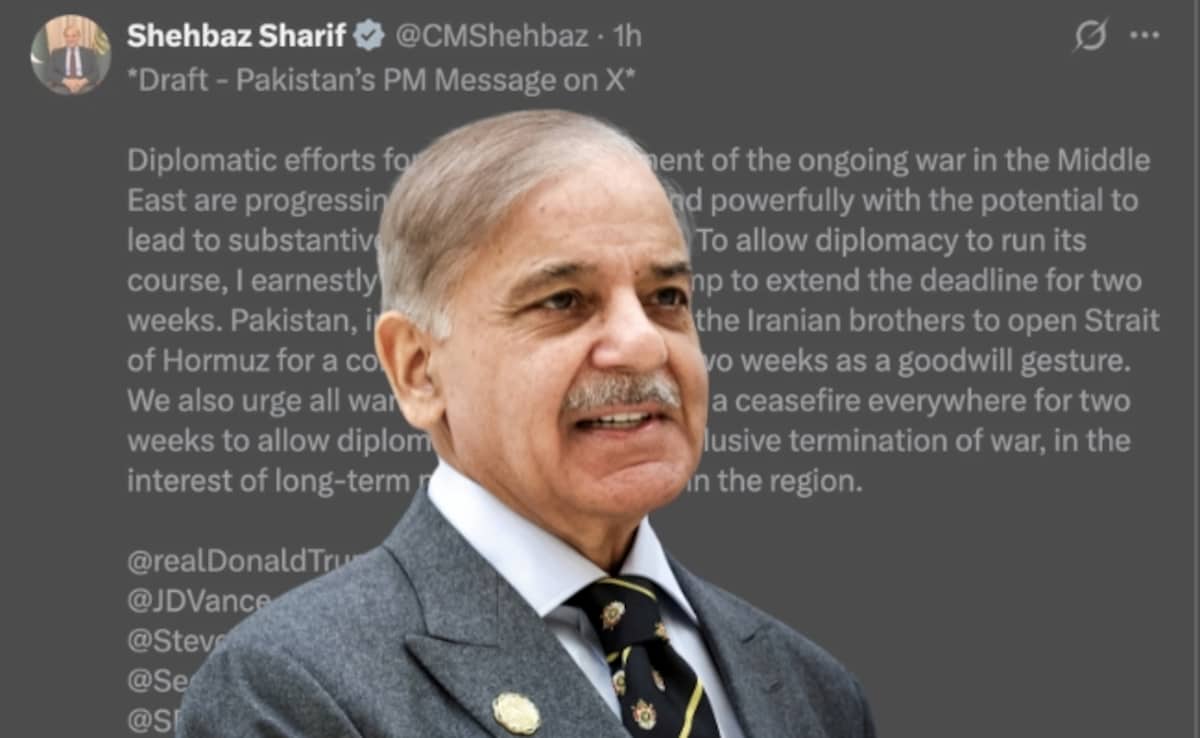
A cold wind blows through the Chagai Hills, a desolate stretch of desert where the borders of Pakistan, Iran, and Afghanistan blur into a jagged line of limestone and dust. For decades, this silence was Pakistan’s greatest asset. It was the quiet of a professional mediator, the neutral ground where enemies could meet when the shouting became too loud. But silence is rarely empty. Sometimes, it is just a mask for the hum of machinery.
Recent intelligence reports have shattered the image of the impartial broker. While Islamabad publicly calls for restraint and offers its services as a diplomatic bridge between a volatile Tehran and a wary West, a different story is unfolding in the shipping manifests and encrypted digital trails. Evidence now suggests that Pakistan has been quietly funneling advanced military hardware—specifically drone components and missile telemetry tech—to Iranian forces.
This isn't just a breach of diplomatic etiquette. It is a fundamental shift in the gravity of Middle Eastern warfare.
Consider a technician named Rafiq. He is a hypothetical composite of the men working in the logistics hubs of Karachi, but his reality is grounded in the very real surge of "dual-use" exports crossing the border. Rafiq spends his days crating components labeled as "agricultural sensors" or "civilian telecommunications gear." He knows, or perhaps he chooses not to know, that these circuits are destined for the internal nervous systems of Shahed loitering munitions. To Rafiq, it is a job that keeps the lights on in a collapsing economy. To a soldier in a distant trench, those same circuits represent a sudden, screaming death from the sky.
Pakistan’s position has always been a high-wire act. To the East, it faces an eternal rivalry with India. To the West, it manages a crumbling relationship with the Taliban. In the middle sits Iran, a neighbor that is both a security threat and a potential energy lifeline. For years, the Pakistani military establishment—the "Establishment" with a capital E—has sold the world on the idea that they are the only ones capable of talking sense to the Ayatollahs. They were the "neutral broker."
That bridge is now burning.
The betrayal isn't merely political; it’s technological. The revelation involves the transfer of specialized carbon fiber and high-precision GPS modules that bypass international sanctions. These aren't the kind of goods you buy at a hardware store. They are the building blocks of modern, asymmetric war. By providing these tools, Pakistan hasn't just chosen a side. They have upgraded the lethality of a conflict that the rest of the world is trying desperately to contain.
Why would a nation already teetering on the edge of financial ruin risk the wrath of its Western creditors?
The answer lies in the grim mathematics of survival. Pakistan is currently suffocating under a mountain of debt, with inflation turning the rupee into little more than colored paper. Iran, desperate for hardware to sustain its regional proxy wars, offers something the International Monetary Fund cannot: immediate, untraceable compensation. Whether that comes in the form of discounted oil, covert currency swaps, or security guarantees against Baluchi insurgents, the price of "neutrality" has clearly become too high for Islamabad to pay.
But there is a hidden cost to this transaction. Trust is a non-renewable resource.
When a broker is caught putting a thumb on the scale, they don't just lose the deal. They lose their seat at the table. Washington and Riyadh are watching. The flow of F-16 parts and Saudi investment isn't guaranteed. If Pakistan is seen as the secret armory of Tehran, the very military-industrial complex it is trying to protect will find itself isolated, starved of the Western technology it needs to keep pace with India.
The tragedy of the situation is the human layer buried beneath the geopolitics. The people of Pakistan are told their leaders are masters of "strategic depth," playing a complex game of 4D chess to keep the country safe. In reality, they are watching their international reputation be sold for short-term fixes.
Think of the "neutral broker" as a doctor who claims to be treating two feuding families while secretly selling one of them poison to put in the other's well. Eventually, the doctor is no longer a healer. He is just another participant in the slaughter.
The invisible stakes are found in the precedent this sets. If a nuclear-armed state can masquerade as a peacekeeper while fueling a regional firestorm, the definition of diplomacy begins to dissolve. We are entering an era where the label of "ally" or "neutral party" means nothing. Everything is a transaction. Everything is for sale.
The Chagai Hills remain silent, but the wind carries the scent of jet fuel and scorched earth. The maps in the war rooms of the Pentagon and the Kremlin are being redrawn. They no longer see a bridge between East and West. They see a pipeline for a new kind of chaos.
The broker has left the room. The salesman remains. And the bill is coming due.