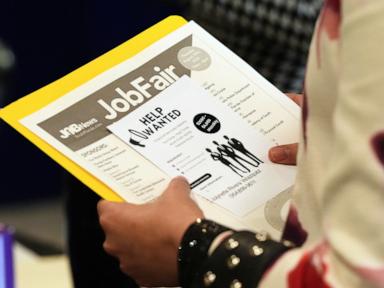
Initial jobless claims slipped down to 203,000 recently according to Labor Department reports, cementing a long stretch where filing for unemployment benefits remains surprisingly rare. On paper, this looks like an unmitigated triumph. Corporations aren't cutting staff. Mass pink slips are largely absent from headlines. Yet, if you are actively trying to land a new gig or break into a different industry, you already know the raw statistics hide a much more frustrating reality.
We are currently trapped in a strange economic holding pattern. Economists call it a no-hire, no-fire market. Companies got burned badly by the frantic labor shortages that followed the pandemic lockdowns. They learned their lesson. Now, they are holding onto their existing employees with white knuckles, refusing to let staff go even when growth slows down. But that defensive hoarding of talent creates an invisible wall for everyone else.
The Trap of Low Layoffs
If firms refuse to fire anyone, why does the job market still feel so exhausting? The answer lies in the hiring side of the equation. Low initial claims numbers only tell you that people aren't losing their current jobs en masse. They say nothing about the doors opening for newcomers.
Employers are barely expanding their headcounts. Recent data shows monthly job growth averaging around 61,000 jobs. Compare that modest figure to the massive 491,000 monthly average seen during the post-lockdown boom years, and the slowdown becomes stark. You aren't competing against a flood of newly laid-off workers. Instead, you are waiting for a vacancy that might never open because the current team is locked in place.
Demographic Shifts and Labor Force Shrinkage
Several unique factors keep the overall unemployment rate hovering at a low 4.1%, cushioning headline metrics while masking underlying friction.
- Retiring Baby Boomers: Millions of older workers are permanently exiting the workforce, naturally reducing the pool of active job seekers.
- Immigration Policy Changes: Stricter enforcement and immigration policy adjustments mean fewer new entrants arrive to compete for entry-level positions.
- Labor Force Dropouts: Over 1.3 million people have simply drifted out of the labor force entirely over the past year, weary of the application grind.
These shifts mean the denominator shrinks. When fewer people fight for jobs, unemployment rates look stable on surface-level government charts. But individual job seekers face endless rounds of ghosting, elongated interview loops, and stagnant openings.
Navigating the No-Hire Reality
If you find yourself stuck on the wrong side of this economic stalemate, standard job-hunting advice will fail you. Fending off discouragement requires a shift in tactics.
Stop relying solely on public job boards where a single remote posting pulls in thousands of resumes within hours. In a market where companies are terrified of making hiring mistakes, warm introductions and internal referrals carry more weight than ever. Hiring managers want a de-risked option. If an existing employee vouches for your capability, you bypass the automated screening filters that swallow most applications whole.
Focus your energy on smaller firms or mid-market companies that cannot afford to coast on stagnant staffing. Large enterprises often freeze hiring budgets entirely when economic headwinds blow, whereas smaller operations remain agile enough to create roles for high-impact talent who can prove immediate value.
Keep your expectations grounded. Landing a role right now takes longer, demands more patience, and requires sharper positioning than it did a few years ago. Low jobless claims prove the economy isn't crashing, but thriving requires looking past the headline numbers to find where actual growth is happening.