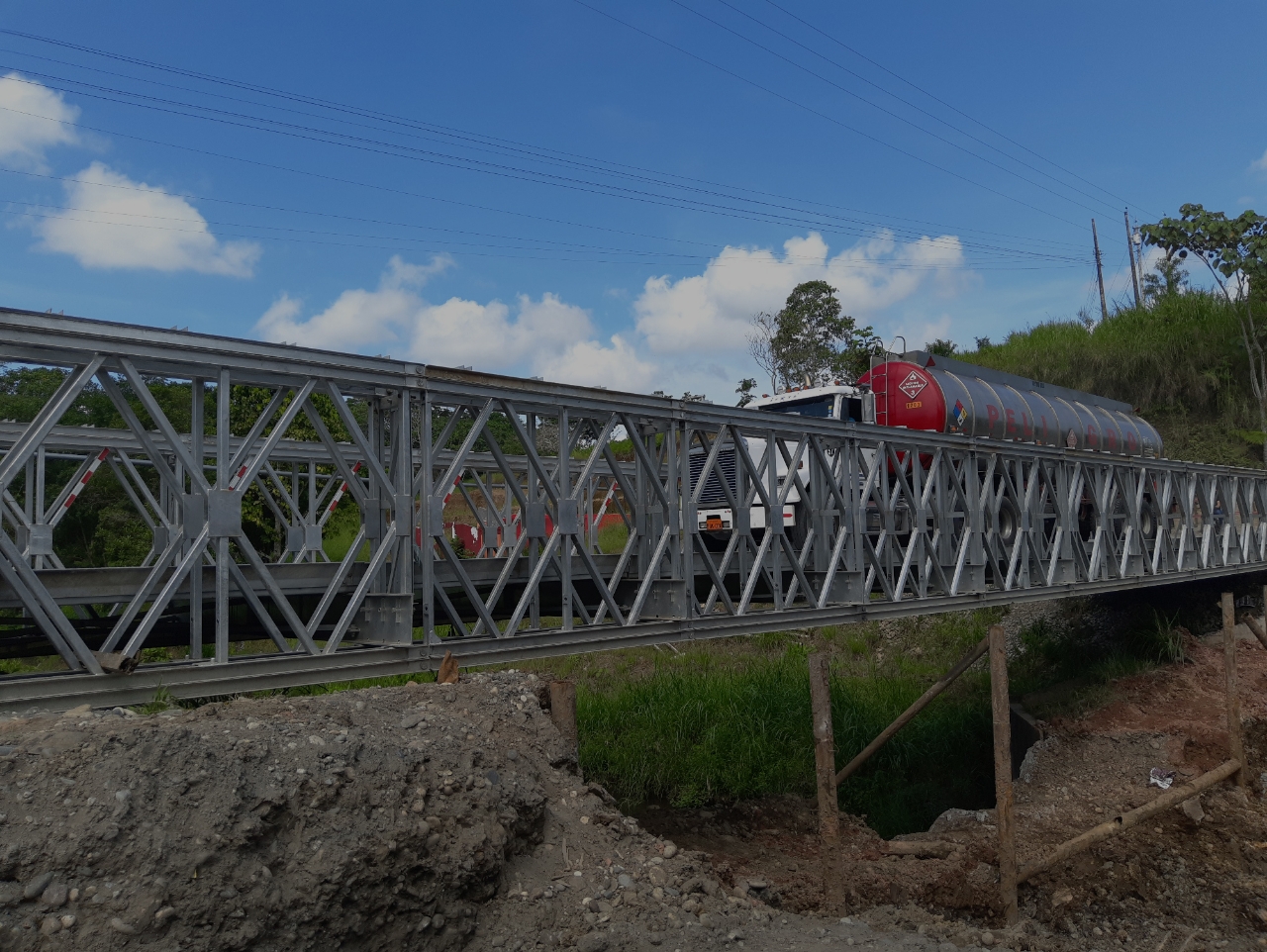
The wind in the Sahel carries more than just sand. It carries a specific kind of silence—the sort that descends when the rhythm of a road is suddenly broken. For years, the highway leading north from Mali’s capital, Bamako, was a lifeline. It was a chaotic, exhaust-choked artery of commerce where trucks piled high with onions and cattle rattled toward the markets. Today, that artery is constricting.
The news reports speak of "rebel checkpoints" and the "seizure of northern towns." To a mapmaker, these are pins on a board. To a driver like Ibrahim—a hypothetical but very real composite of the men currently weighing their lives against their livelihoods—those pins represent a cold, metallic reality. They are the barrel of a rifle poked through a window at a makeshift barrier. They are the sudden disappearance of the state.
The Shrinking Circle
Bamako used to feel like a fortress. While the north burned and the central plains became a patchwork of shifting allegiances, the capital remained a sprawling, vibrant bubble. That bubble is thinning. Reports now confirm that armed groups have established presence and checkpoints in the Koulikoro region, the very gateway to the capital.
This isn't just a military maneuver. It is a psychological siege. When a checkpoint appears thirty miles from the seat of power, the message isn't "we are attacking." The message is "we are already here."
The northern town of Léré has fallen again. It was taken in a coordinated strike that sent the military retreating, leaving behind the husks of burnt-out vehicles and a population that must now learn a new set of rules. For the people of Léré, sovereignty isn't a concept discussed in televised speeches. It is the color of the flag flying over the governor’s office when they wake up.
Consider the logistics of fear. When a town is seized, the first thing to die isn't the resistance—it’s the economy. The baker stops ordering flour because the roads are blocked. The cell towers go dark. The invisible threads that connect a remote northern outpost to the heart of the nation are snipped, one by one, until the town becomes an island in a sea of scrubland.
The Anatomy of a Checkpoint
What does a checkpoint look like when it isn't manned by the state? It is often a length of rusted chain or a fallen tree trunk. It is manned by young men in mismatched camouflage, their faces wrapped in turbans against the heat. They don't want to see your passport; they want to see your loyalty, or your money, or both.
These barriers serve a dual purpose. First, they provide the rebels with "taxation." Every truck that passes pays a toll, effectively funding the very insurgency that the government is desperate to crush. Second, they act as a filter. They control the flow of information and people. They turn a two-hour journey into a day-long gauntlet of uncertainty.
The "Strategic Framework for the Defense of the People of Azawad"—the coalition of rebel groups—is no longer content with holding the desert. They are moving toward the green. They are testing the perimeter.
A Fragile Sovereignty
The Malian military, supported by its various international partners and private contractors, finds itself in a grueling game of whack-a-mole. They reclaim a town, the rebels melt into the landscape. They secure a road, a checkpoint appears on a different one the next morning. It is a war of attrition where the "front line" is everywhere and nowhere.
The tragedy of this conflict lies in its circularity. The northern regions have long felt abandoned by the distant elite in Bamako. That grievance fuels the rebellion. The rebellion causes the state to pull back its services to focus on defense. The withdrawal of services further alienates the population. The cycle tightens.
We often talk about "instability" as if it were a weather pattern. It isn't. It is the cumulative result of thousands of individual choices. It is the teacher who decides it is no longer safe to go to the village school. It is the mother who hides her son so he isn't conscripted by one side or the other. It is the merchant who realizes that his profit margin can no longer cover the cost of the bribes at the new checkpoints.
The Ghost of the State
When the state disappears from a road, it isn't just the police who go missing. It is the very idea of a shared future. In the vacuum left behind, older, more tribal, or more radical structures take root. They offer a brutal kind of order in exchange for absolute submission.
The recent seizure of Léré and the encroachment on Bamako represent a new phase of this vacuum. The rebels are no longer just "the guys in the mountains." They are a shadow government with its own tax code and its own justice system.
The international community watches with a mixture of fatigue and alarm. The departure of traditional peacekeepers has left a gap that "private military companies" are struggling to fill. Gunfire is a loud sound, but the loudest sound in Mali right now is the silence of the abandoned markets and the empty roads.
As the sun sets over the Niger River, the lights of Bamako flicker. In the distance, beyond the last police outpost, the dust begins to settle on a new barrier. A man in a turban steps into the middle of the road and raises his hand.
The road is closed. The country is waiting. And the silence is growing.