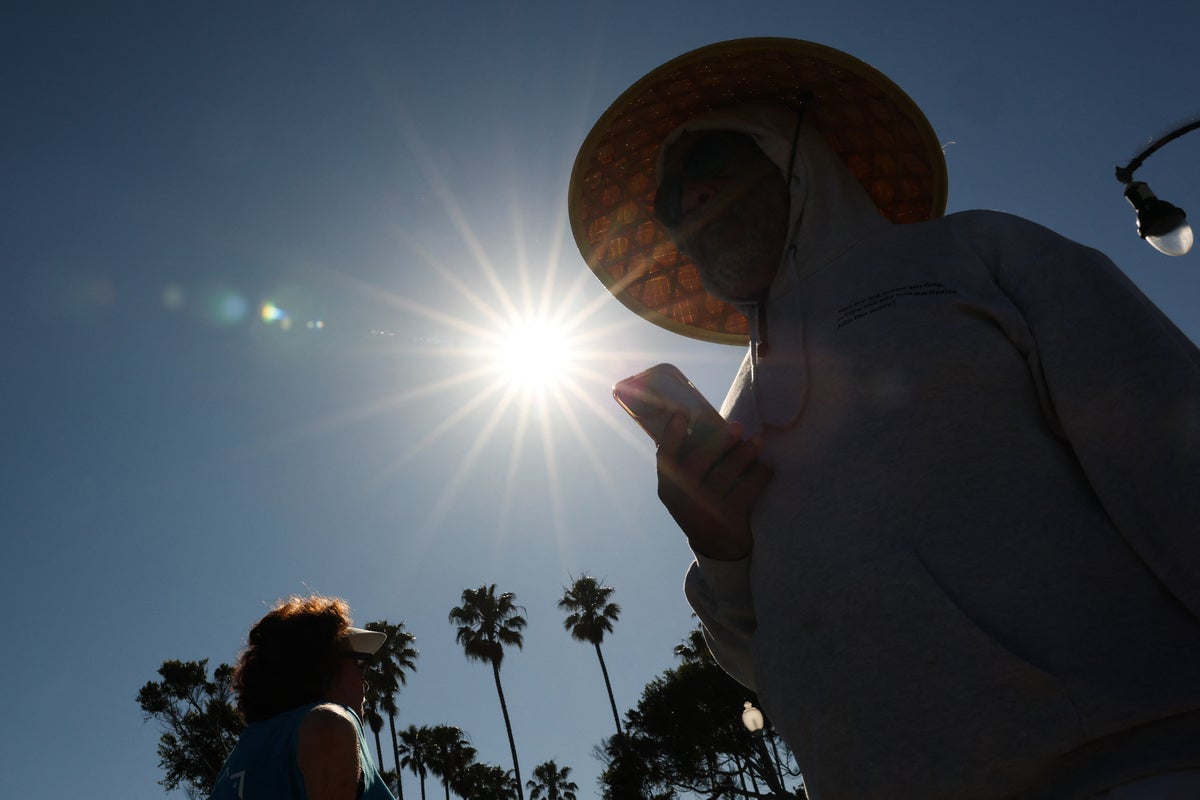
April usually means light jackets and blooming cherry blossoms, but this week, the East Coast is getting a brutal, unseasonable wake-up call. Temperatures are skyrocketing into the 90s from Georgia to New York, smashing records that have stood for nearly a century. If you think this is just a nice "preview of summer," you're missing the bigger, more dangerous picture.
The Shock to the System
We aren't ready for this. That's the blunt truth.
When a heat wave hits in July, your body has had months to acclimate. You've dug out the shorts, tested the AC, and mentally prepared for the sweat. Right now, most of the East Coast was still thinking about frost last week. This sudden surge—driven by a massive high-pressure system known as a "Bermuda High"—is catching millions of people off guard.
Meteorologists are seeing numbers that belong in July. Washington, D.C. is staring down 94°F. Philadelphia is hitting 92°F. Even New York’s Central Park is flirting with 87°F, threatening a record set back in 1941. It’s not just the peak heat that’s the problem; it’s the duration. We’re looking at a multi-day stretch of temperatures 20 to 30 degrees above average.
Why the Grid is Sweating Too
Utility companies usually schedule power plant maintenance for the "shoulder seasons"—spring and fall—when demand is low. Because of this, the grid isn't always at full capacity in April. When everyone from Raleigh to Boston suddenly cranks their AC at the same time, it puts an unexpected strain on a system that was supposed to be in "rest and repair" mode.
It's a similar story for your own home. If you haven't serviced your HVAC unit yet, forcing it to fight a 90-degree day when it’s dusty and unmaintained is a recipe for a mid-afternoon breakdown.
- Check your filters now. Don't wait for the air to stop blowing cold.
- Hydrate before you feel thirsty. In spring, we don't realize how much we're sweating because the air is often drier than in the humid summer months.
- Watch the elderly and kids. They don't regulate body temperature as well, and they’re likely still dressed for 60-degree weather.
The Drought Connection
This isn't just about uncomfortable commutes. Large swaths of the South and Mid-Atlantic are already dealing with "abnormally dry" conditions. This heat wave acts like a giant hairdryer, sucking the remaining moisture out of the soil.
In North Carolina and Georgia, where drought is already a concern, this heat spike is an absolute nightmare for farmers. We're in the middle of the growing season. High heat combined with low soil moisture can stunt crops before they even have a chance to take hold. It also spikes the fire risk. Dry brush plus unseasonable heat equals a powder keg for wildfires, something we’re already seeing the National Weather Service warn about in high-risk zones.
This Isn't the New Normal Yet
The most jarring part of this forecast isn't just the heat—it’s the "weather whiplash" waiting on the other side. By the time we hit Monday, a cold front is expected to come crashing through. We’re talking about a 30-to-40-degree drop in some areas. Baltimore might go from a 90-degree Thursday to 30-degree morning lows by the following week.
That kind of volatility is hard on everything: your health, your plants, and your energy bill.
If you’ve already moved your houseplants outside or started your spring garden, get ready to bring them back in or cover them. This heat is a "false spring" on steroids. It lures the plants into blooming early, only for the inevitable frost next week to kill off the new growth.
What You Should Do Today
- Pre-cool your home. Run the AC in the morning when it's cooler so the system doesn't have to work as hard during the 3 PM peak.
- Shift your workout. If you're a runner, get it done before 8 AM or move it to a treadmill.
- Check your neighbors. Especially those living alone without central air.
- Prepare for the flip. Don't pack away the heavy blankets just yet. You're going to need them again in 72 hours.
Stay inside, keep the water flowing, and don't let the "nice" sunshine fool you into overexertion. This isn't typical spring weather—it's an extreme event, and treating it like a casual beach day is a mistake you don't want to make.