The Tremor Before the Drop
The coffee cup on the wooden table did not just slide. It vibrated, a frantic, high-pitched chatter against the ceramic saucer, before it leapt into the air and shattered on the cold tiled floor.
It was over in seconds. It always is.
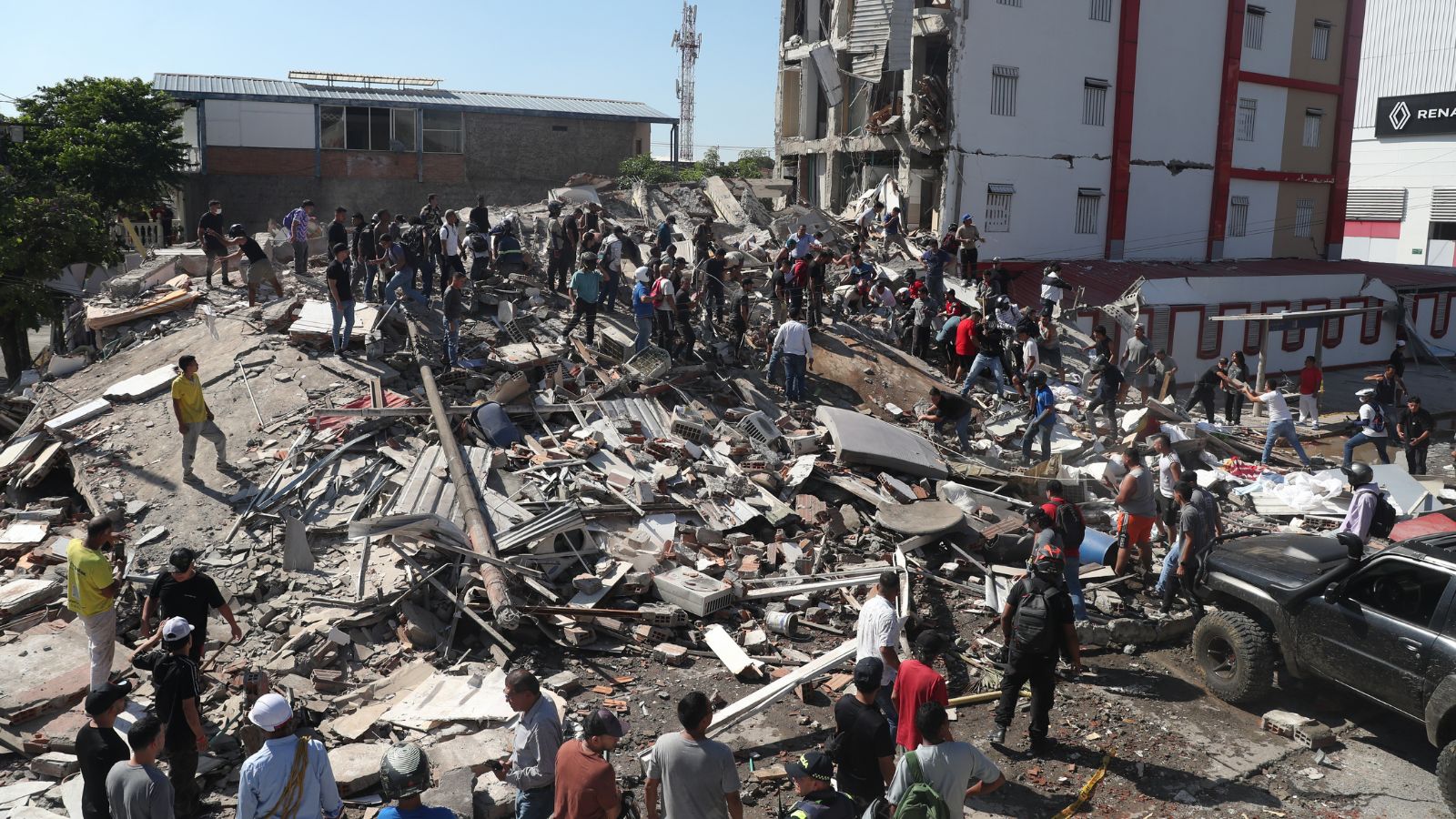
Earthquakes do not announce themselves with a long, drawn-out crescendo. They arrive as a sudden, violent shove from beneath the floorboards, a sound like a freight train barreling through a bedroom closet, tearing the world apart with ruthless efficiency. When the violent shaking finally stopped in the rugged Andean terrain of Colombia, the air did not fill with immediate panic. It filled with a strange, heavy silence. Then came the dust. A thick, ochre cloud of pulverized brick and ancient mortar billowed into the afternoon sky, blotting out the sun and turning a normal Tuesday into an indistinct nightmare.
We tend to measure catastrophes in round numbers. The headlines flashed with clinical detachment: a Colombia earthquake, the death toll crossing one hundred, rescuers searching the rubble. Numbers are convenient. They fit neatly into the ticker tape at the bottom of a screen. They allow distant observers to process a tragedy without feeling the grit of the dust between their teeth or the agonizing weight of a collapsed concrete slab.
(Note: While the specific figures reflect the immediate aftermath reported by emergency services, the true measure of a seismic disaster is found not in the tally of the lost, but in the texture of what remains.)
Consider what happens next in a mountain town when the earth decides to stretch its limbs.
The Weight of Concrete
Concrete is an unforgiving material. It is born heavy, poured into frames with the promise of permanence, designed to defy nature and hold up roofs under which generations can grow old. But when the ground rolls like an ocean wave, that same concrete becomes a tomb.
Picture Mateo. (This is a hypothetical composite based on dozens of first responders who rushed to the disaster zone, their boots coated in white lime dust.) Mateo is thirty-four. He is a structural engineer by trade, a man who spends his normal days reviewing blueprints and calculating load-bearing walls. Today, he is on his hands and knees in the middle of a collapsed residential block, his bare fingertips clawing at jagged shards of rebar. His fingernails are torn. Blood mixes with the gray dirt on his palms. He doesn't feel it.
He is listening.
In a disaster zone, your ears become your most critical organs. You listen past the whine of distant sirens, past the shouted orders of civil defense coordinators, past the low-frequency rumble of aftershocks that still threaten to bring down the leaning walls overhead. You listen for the tap. Two taps against a metal pipe. A faint exhalation. A child's voice calling out for a mother who may already be silent.
The statistics tell us that the death toll crossed one hundred within the first forty-eight hours. They tell us that dozens more remain unaccounted for, swallowed by landslides that blocked winding mountain roads and cut off entire villages from immediate aid. But statistics do not capture the agonizing calculus of rescue operations in high-altitude terrain.
Every minute matters. Every aftershock risks destabilizing the precarious heaps of rubble that brave volunteers are climbing over.
The Geography of Vulnerability
Why do these tragedies strike with such devastating precision?
Colombia sits squarely within the Pacific Ring of Fire, one of the most seismically active zones on the planet. Here, the Nazca Plate grinds relentlessly beneath the South American Plate, a slow-motion tectonic collision that pushes the Andes higher into the sky year by year. This geological grandeur comes with a terrifying tax. The earth must occasionally relieve the immense pressure stored deep within its crust.
When it does, the energy radiates outward. In urban centers with modern seismic codes, buildings sway and flex. People duck under sturdy tables, wait out the tremor, and emerge shaken but intact. But in the steep Andean foothills, where informal settlements cling to steep slopes like swallows' nests, the story is entirely different.
Houses built of unreinforced masonry—stacked bricks held together by aging cement—cannot withstand lateral shearing forces. They pancake. Floor collapses onto floor, crushing the living spaces below into claustrophobic sandwiches of debris.
It is easy to blame geography. It is easy to point fingers at zoning laws or municipal budgets. But poverty is the true accelerant of natural disasters. Wealth buys structural integrity. Poverty leaves families sleeping beneath roofs that are waiting for the earth to shudder.
The Hands That Do Not Rest
Night falls quickly in the mountains. The equatorial sun drops behind the jagged peaks, and the temperature plummets, turning the humid afternoon heat into a biting, damp chill.
For the rescue teams, darkness does not bring rest. It brings floodlights powered by sputtering generators that cast long, grotesque shadows across the ruins. It brings a new kind of peril. Dust motes dance in the harsh white beams, looking like falling stars until they settle back onto the wreckage.
Mateo wipes sweat and dust from his eyes with the back of his forearm. His back aches with a deep, bone-weary fatigue. He has been digging in the same spot for six hours. Around him, neighbors have formed a human chain, passing heavy buckets of rubble from hand to hand, young and old working side by side in grim synchronization.
This is the invisible story of any earthquake. Long before the international aid agencies arrive, long before the politicians fly in for photo opportunities aboard military helicopters, the community saves itself. Mothers who have lost their own homes are setting up makeshift soup kitchens on the asphalt streets, handing out warm broth in plastic cups to exhausted workers. Teenagers who yesterday worried about exams are carrying medical supplies through blocked alleys.
Human beings are remarkably fragile creatures, easily broken by a falling beam or a sudden cardiac arrest. Yet, when the world breaks open beneath their feet, they display an astonishing, stubborn resilience. They refuse to let the silence win.
The Long Road After the Tremor
The ground will eventually settle. The aftershocks will grow fewer and further apart until they are nothing more than uneasy memories in the minds of those who lived through them.
The news cycle will move on. New crises will erupt across the globe, pushing the images of ruined Andean storefronts and weeping families off the front pages and out of the digital feeds. The death toll numbers will freeze, becoming permanent historical markers in Wikipedia entries and disaster databases.
But for the people standing in the dust of what used to be their living rooms, the work has only just begun. They must bury their dead. They must sleep in temporary tents pitched in public parks, listening anxiously for every creak of the earth beneath them. They must rebuild, knowing full well that the tectonic plates beneath their feet are still moving, still storing energy, still waiting for the next time the world decides to shift its weight.
The wind sweeps down from the high peaks, carrying the scent of pine and damp earth across the valley. Down in the ruins, a flashlight beam sweeps across a shattered window frame. A hand reaches out from the dark, searching for a foothold, refusing to stop digging.