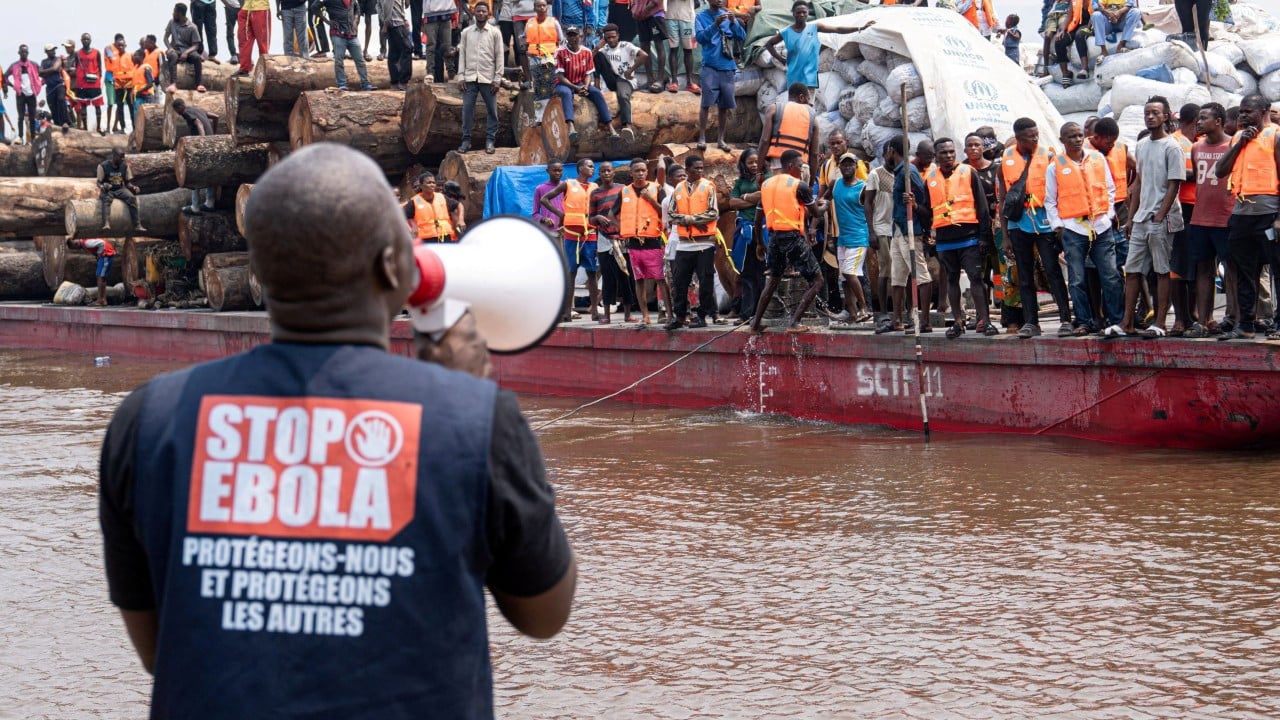
The wooden transport boat drifted toward the dock at Mbandaka with a quiet urgency that everyone on the shore recognized instantly. A passenger had died mid-journey under terrifying circumstances, bleeding from the gums and spiking a violent fever before the vessel could dock. Panic spread along the muddy banks of the Congo River faster than any official dispatch could travel. Public health teams in the Democratic Republic of Congo immediately locked down the vessel, testing more than three hundred passengers and crew members who had shared cramped wooden benches for days in close quarters.
This containment operation highlights a persistent vulnerability in modern epidemic control. Rivers remain the lifeblood of commerce and travel across Central Africa, but they also serve as high-speed vectors for infectious pathogens. When an Ebola case emerges on a crowded passenger boat, health authorities face a logistical nightmare that standard land-based protocols simply cannot address. Tracking down hundreds of transient travelers who scatter into dense urban centers or remote riverside villages upon arrival is an uphill battle against time. You might also find this similar article useful: Why Panic Is The Real Epidemic In Congo Not The Virus.
The Flawed Architecture of Riverine Surveillance
Geography dictates the terms of engagement during every outbreak in the Congo basin. The sheer scale of the waterways makes complete border or transit control an impossible ambition. Thousands of motorized pirogues and overloaded wooden barges cross provincial boundaries every single week, carrying traders, farmers, and families between major hubs like Kinshasa, Kisangani, and Mbandaka.
Official checkpoints exist at major ports, yet countless informal docking spots line the banks between these urban centers. Travelers disembark far from medical oversight, walking directly into local markets or heading home to crowded neighborhoods before anyone notices symptoms. As extensively documented in detailed coverage by Medical News Today, the implications are worth noting.
Why Contact Tracing Fails on the Water
Contact tracing relies on accurate manifests and cooperative individuals. Neither exists in abundance on rural river routes.
- Manifests are rarely kept, and when they are, names and destinations are often fictional or illegible.
- Passengers crowd together on wooden decks for days, sharing sleeping spaces, food, and utensils with strangers from entirely different provinces.
- The fear of quarantine drives exposed individuals to hide their symptoms, dodging health screeners the moment the gangplank hits the mud.
When a suspected Ebola death occurs onboard, health workers must retrace a ghost trail. They depend on fragmented ticket stubs, hurried eyewitness accounts from traumatized seatmates, and sheer luck. Testing over three hundred people from a single boat is a massive victory for rapid response teams, but it exposes how close the system constantly operates to total failure. Every missed passenger represents a potential secondary chain of transmission that could ignite a wider regional crisis.
Economic Pressures Override Public Safety
Nobody gets on a multi-day river barge for pleasure. These vessels are floating markets where vendors sell smoked fish, cassava, and textiles while passengers endure sweltering heat and unsanitary conditions for days on end. For many citizens in the region, staying home means starving.
When rumors of a hemorrhagic fever outbreak circulate along the docks, local traders face a brutal choice. They can abandon their cargo and lose their entire livelihood, or they can board the boat and hope they are not the unlucky ones. Economic survival consistently trumps epidemiological caution.
Governments often respond to outbreaks by slapping sudden embargoes on river transport or shutting down specific routes entirely. This heavy-handed tactic rarely works as intended. Total shutdowns choke off vital food supplies and drive commercial traffic into illegal, completely unregulated channels. Smugglers take over the routes, bypassing any remaining medical checkpoints and making contact tracing infinitely harder for local authorities.
The Human Cost of Delayed Recognition
Early symptoms of Ebola—fever, fatigue, muscle pain, and headaches—resemble malaria, typhoid, and dengue. Along the Congo River, these endemic diseases are an everyday reality. A traveler running a fever rarely sparks immediate alarm until the severe hemorrhagic manifestations begin.
By the time a passenger collapses on a wooden bench, the virus may have already been transmitted through sweat, vomit, or direct physical contact during the cramped voyage. Healthcare workers stepping onto a quarantined boat are dealing with a moving crime scene where every surface could harbor infectious viral particles.
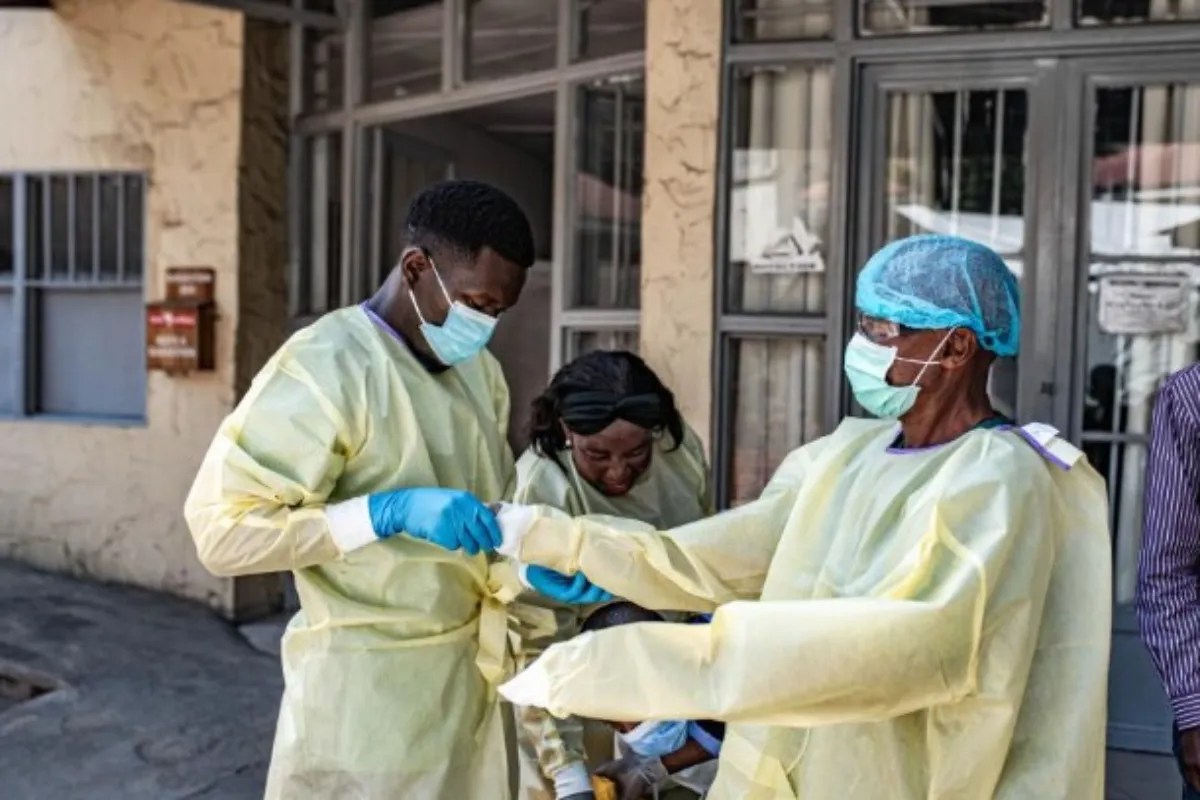
Donning heavy personal protective equipment in tropical heat creates an unbearable physical burden for medical staff. They must interview frightened passengers, collect nasal or blood samples, and maintain order among hundreds of anxious travelers who want nothing more than to grab their bags and run.
Re-Engineering Response Tactics for Inland Waterways
If public health agencies want to stay ahead of future outbreaks, current response models require a radical overhaul. Waiting for a boat to dock with a corpse is a reactive strategy that guarantees high casualty rates and widespread panic.
Integration of mobile testing laboratories directly at major transit hubs is a necessary first step. Instead of forcing passengers to travel inland for diagnosis, rapid diagnostic units must meet the boats at the water's edge. Quick turnaround times for test results prevent unnecessary mass quarantines of healthy individuals while isolating genuine threats before they slip into the population.
Community-led surveillance networks must replace top-down military-style enforcement. Local boat captains, market vendors, and traditional leaders hold far more authority along the river than distant government officials in the capital. Training these trusted figures to recognize early warning signs and report suspected cases anonymously builds a reliable early warning system that formal bureaucracies cannot replicate.
The three hundred passengers tested in Mbandaka dodged a catastrophic outcome this time, but the underlying vulnerabilities remain completely unaddressed. The next boat is already moving downriver.