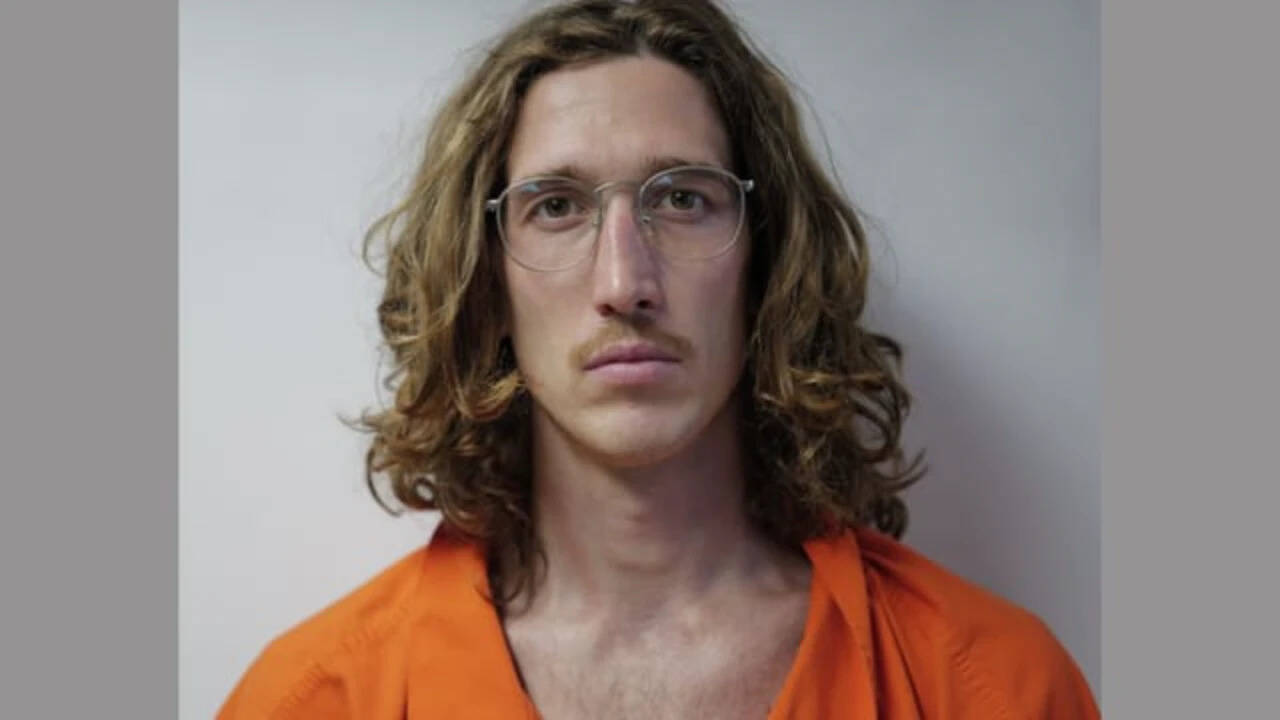
The modern attention economy rewards boundary transgression with immediate liquidity, yet it subjects creators to sudden institutional friction when real-world jurisprudence collides with digital performance. When documentation of underground subcultures shifts from passive observation to participatory friction, the legal exposure of the creator scales exponentially. The recent arrest reports surrounding independent documentary maker Brandon Buckingham in Washington Parish, Louisiana, highlight a recurrent systemic vulnerability within gonzo-style content creation. This event is not merely an isolated legal mishap; it functions as a case study in how creator liability, municipal record propagation, and digital audience monetization intersect under modern media pressures.
To understand the trajectory of such incidents, one must examine the structural risk profile inherent to immersive street journalism. Traditional investigative reporting relies on institutional insulation, editorial oversight, and structured legal risk management frameworks. Conversely, independent digital creators operating in the gonzo tradition internalize all operational liabilities. Their value proposition rests on proximity to illicit, marginal, or volatile environments. This proximity creates a predictable hazard curve. As the creator pushes deeper into subcultural ecosystems—such as car theft rings, underground street racing networks, or marginalized communities—the probability of intersecting with law enforcement increases non-linearly.
The mechanism of arrest notification in the digital era introduces a distinct set of propagation dynamics. Local municipal booking records, once confined to physical police blotters or local news archives, now exist within automated data-scraping ecosystems. Community-run local information outlets and real-time aggregators index these bookings instantly. When a creator with a large digital footprint is booked into a parish jail, the information does not diffuse gradually through traditional journalistic channels. Instead, it undergoes rapid binary acceleration across platforms like X and Instagram, transforming a localized police blotter item into a global trending topic within hours.
This rapid diffusion creates an information vacuum characterized by high ambiguity and zero initial verification. In the specific instance involving Buckingham, initial reports originated from localized municipal logs and community pages before being amplified by aggregator accounts. The absence of comprehensive court dockets or official prosecutorial statements at the initial booking stage creates a fertile ground for speculation. Audiences and observers split into two distinct interpretive camps: those treating the booking as validation of the creator's reckless investigative methods, and those viewing the situation through a cynical lens of performative stunt work or targeted harassment by local authorities seeking to curb invasive media projects.
The financial and operational response of the subject reveals a sophisticated, albeit unorthodox, approach to reputational crisis management. Rather than retreating into legal silence or issuing formal public relations statements, the creator's digital channels immediately pivoted toward commercialized irony and direct merchandise distribution. By sharing the booking documentation and deploying terse rallying cries, the operation converted a catastrophic legal liability into an active marketing funnel.
This brings into focus the commercial architecture of modern internet notoriety. In legacy entertainment models, an arrest or criminal charge represents a terminal reputational hazard that terminates advertising revenue and brand partnerships. In the creator economy, infamy functions as a high-velocity currency. Attention, regardless of its moral or legal valence, converts directly into platform algorithmic preference. When an arrest report surfaces, profile traffic surges, baseline visibility expands, and merchandising conversion rates spike.
The deployment of mugshot merchandise and slogans transforms punitive state actions into commercial assets. This monetization strategy exploits the psychological dynamics of online fandoms, where followers experience parasocial loyalty and a desire to participate in perceived anti-establishment friction. By purchasing themed apparel, the audience converts abstract legal drama into a tangible consumer transaction. The state apparatus imposes detention or charges; the creator monetizes the resulting attention spike; the audience consumes the narrative as interactive entertainment. This closed-loop system inverts traditional deterrence theories of criminal justice. When punishment generates revenue and brand equity, the economic disincentive of unlawful behavior is neutralized or reversed.
Examining the operational mechanics of Washington Parish detention reveals the stark contrast between small-town judicial infrastructure and national digital reach. Rural and semi-rural law enforcement agencies operate under distinct resource constraints and jurisdictional priorities compared to metropolitan departments. When a high-profile digital personality enters their jurisdiction, the local booking process interacts with a decentralized digital mob. The local sheriff's office executes routine statutory procedures for vehicle-related offenses, while millions of digital spectators parse every line of the unverified report for hidden meanings, conspiracy theories, or staged elements.
This dynamic exposes a deeper fragility in how digital audiences consume crime and punishment. The contemporary consumer of creator culture maintains a hyper-cynical baseline. Years of staged pranks, manufactured controversies, and exaggerated internet personalities have conditioned audiences to doubt the authenticity of any crisis. When genuine legal jeopardy occurs, the immediate public reaction is skepticism. Observers search for the hidden camera, the upcoming video release date, or the punchline. This skepticism acts as an insulating layer for the creator, transforming real-world legal peril into perceived performance art until proven otherwise by hard judicial outcomes.
The risk distribution model of gonzo journalism operates on a simple calculus: the marginal utility of exclusive, high-risk footage must outweigh the expected value of legal penalties and reputational damage. Creators who build their brand on physical confrontation and immersion in criminal subcultures are perpetually exposed to structural failure. A vehicle theft charge, whether substantiated through trial or dismantled through legal defense, represents the logical extreme of an investigative style that flirts with operational illegality.
When creators step outside the protective boundaries of conventional media, they sacrifice institutional legal defense funds, liability insurance, and editorial vetting. They trade these safeguards for creative autonomy and direct audience relationships. However, direct relationships eliminate buffers. If a creator is detained with no bond set, operations stall, yet the digital machinery must continue feeding the algorithm to maintain relevance. The pivot to merchandising mugshots is an emergency adaptation designed to monetize the downtime and extract value from forced inactivity.
Platform algorithms further complicate this dynamic by failing to distinguish between notoriety and positive engagement. Recommendation engines optimize for dwell time and interaction velocity. A controversy surrounding an alleged felony generates comments, shares, and quote-posts at a rate that standard entertainment content cannot match. Consequently, the platform's distribution architecture rewards the controversy, driving an influx of new eyeballs to the creator's profile. This algorithmic tailwind cushions the financial blow of potential demonetization or sponsorship loss, proving that digital distribution models structurally incentivize boundary testing.
The broader implications for independent media production point toward an inevitable professionalization or a steep escalation in casualty rates among creators. As municipal and federal oversight tightens against digital operators who document illicit economies, the tolerance for legal gray areas diminishes. Law enforcement agencies are increasingly aware of the promotional value that creators derive from arrests, altering their tactical approach to high-profile digital interlopers. The days of casual infiltration of active criminal enterprises without severe judicial intervention are drawing to a close.
To evaluate the long-term viability of this content category, one must calculate the decay rate of shock-value engagement against the compounding weight of criminal records. While a single arrest cycle generates a temporary spike in visibility and merchandise sales, repeated legal friction degrades institutional access, banking relationships, and platform monetization eligibility. Platforms face mounting pressure from corporate advertisers to distance themselves from creators who court active criminal charges. Brand safety filters and automated content moderation systems frequently flag mugshots and arrest news, restricting organic reach even as viral attention peaks.
The immediate operational priority for any creator navigating this threshold involves separating performance aesthetics from felony exposure. Operating in high-risk environments without rigorous legal counsel and clear operational boundaries transforms investigative ambition into criminal liability. The intersection of local penal codes and global algorithmic distribution creates a high-pressure environment where minor infractions scale into major reputational crises overnight.
Deploy immediate legal counsel to secure formal arraignment documentation and clarify the exact statutory parameters of the pending charges before engaging in further public-facing commercial campaigns.