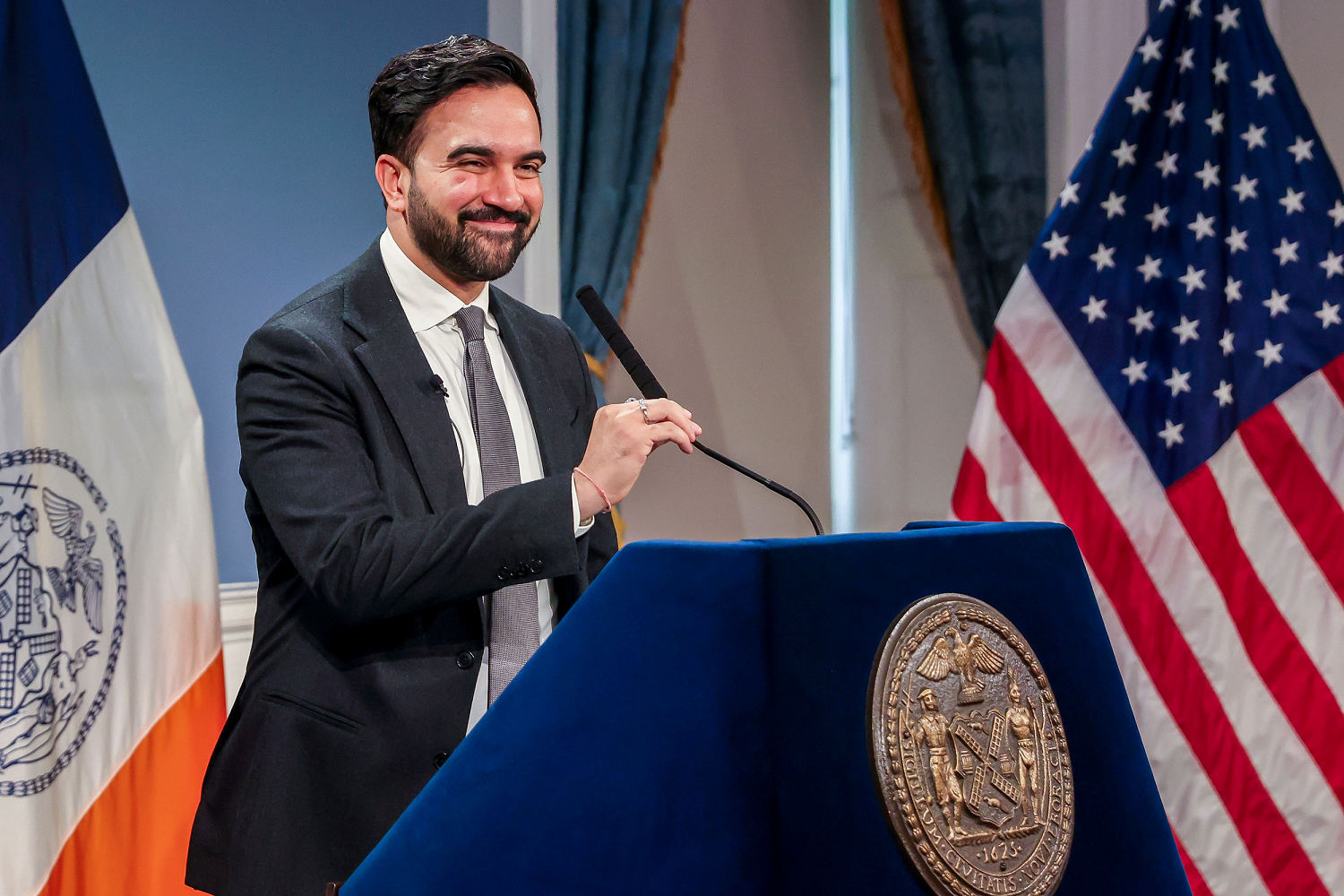
The proposal by New York State Assembly Member Zohran Mamdani to establish a $50 World Cup ticket lottery for New York City residents represents a direct intervention into the classic economic problem of artificial scarcity and market-clearing prices. While framed as an equity initiative to ensure working-class access to MetLife Stadium (officially designated as New York New Jersey Stadium for the tournament), the mechanism design introduces severe allocative inefficiencies, deadweight loss, and enforcement bottlenecks. To understand the structural viability of this proposal, we must deconstruct it through the lenses of supply-side constraints, secondary market arbitrage, municipal fiscal mechanics, and FIFA’s strict ticketing governance.
The Structural Architecture of World Cup Ticketing
FIFA’s ticketing model is fundamentally distinct from domestic sports leagues. For the 2026 tournament, ticket distribution is governed by a centralized, tiered pricing matrix designed to maximize revenue while maintaining a nominal percentage of low-cost tickets for host nation residents (traditionally Category 4 tickets).
The Mamdani proposal introduces an external, municipally funded subsidy layer on top of this existing architecture. The operational mechanics of the proposal require three distinct components to function: municipal capital allocation to purchase tickets at market or face value, a residency verification infrastructure, and a non-transferable digital distribution network.
The Allocation Cost Function
The fiscal impact on the municipality depends on the delta between the contractually obligated FIFA face value for various ticket categories and the proposed $50 consumer price point. We can define the total municipal subsidy required ($S$) using the following cost function:
$$S = \sum_{i=1}^{n} Q_i (P_i - C)$$
Where:
- $Q_i$ is the quantity of tickets acquired within tier $i$
- $P_i$ is the official FIFA face value price for tier $i$
- $C$ is the capped resident purchase price ($50)
Because FIFA has not finalized public pricing tiers for the later knockout stages or the final match at MetLife Stadium, historical data from Qatar 2022 and projected inflation-adjusted models indicate that Category 1 and Category 2 tickets for prime matches will range from $600 to over $1,600. If the city attempts to secure a meaningful block of tickets—for example, 10,000 tickets across various matches—the gross subsidy requirement would quickly scale into millions of dollars, creating an immediate budgetary trade-off with existing municipal services.
The Three Pillars of Allocative Inefficiency
Implementing a localized price ceiling on a hyper-scarce, globally demanded asset creates distinct economic distortions. The proposal fails to account for three fundamental market forces.
1. The Arbitrage Incentive and Deadweight Loss
When a luxury asset with a market value of $1,000 is sold for $50, the immediate result is an economic rent of $950 handed to the lottery winner. This massive disparity creates an institutional incentive for secondary market arbitrage.
Even with strict anti-scalping laws in New York State, the enforcement of peer-to-peer transfers remains highly porous. Winners who value $950 in cash more than the utility of attending a 90-minute soccer match will seek out circumventive transfer methods, such as renting out the physical smartphone containing the digital ticket or utilizing speculative broker platforms. The economic deadweight loss increases as the city spends capital to suppress a price that the global market will naturally correct via underground secondary channels.
2. The Verification Bottleneck
To ensure that the benefits accrue solely to New York City residents, the program requires a robust, fraud-proof identity verification system. Utilizing existing municipal data systems like IDNYC presents immediate operational challenges:
- Data Latency: IDNYC and state DMV databases suffer from update lags, meaning former residents who have relocated may still qualify, while newly arrived residents are excluded.
- Systemic Exclusion: The demographics most targeted by the equity goals of this proposal—undocumented individuals, unhoused populations, and housing-insecure tenants—frequently lack the formal utility bills or lease agreements required to pass stringent residency verification audits.
- Administrative Friction: The labor and technology costs required to build, audit, and secure a lottery portal capable of handling millions of simultaneous New York City applicants will degrade the net fiscal efficiency of the subsidy program.
3. Supply-Side Constraints and Venue Jurisdiction
A critical geopolitical limitation of the proposal is that MetLife Stadium is located in East Rutherford, New Jersey, outside the political and legal jurisdiction of New York City and New York State.
[FIFA Ticketing Entity] ──> Allocates to ──> [Global Public / Corporate Sponsors]
         │
         └──> (No structural mechanism exists for localized municipal carve-outs)
         │
[NJ/NY Host Committee] ──> Manages regional logistics, not ticket inventory
Ticketing inventory is strictly controlled by FIFA’s corporate hospitality arms and central ticketing office. The New York New Jersey Host Committee acts as a logistical coordinator rather than an inventory owner. Consequently, New York City cannot legally mandate a ticket carve-out; it must act as a corporate buyer in the open market or negotiate a bespoke procurement contract with FIFA, a body historically resistant to localized political interventions that disrupt their global commercial models.
Comparative Assessment: Global Precedents vs. The NYC Model
To evaluate the feasibility of Mamdani's lottery, we must contrast it with historical tournament access initiatives. Previous host nations utilized structural price tiering rather than post-purchase municipal subsidies.
| Tournament | Access Mechanism | Funding Source | Operational Outcome |
|---|---|---|---|
| South Africa 2010 | Category 4 low-cost tiers for residents | FIFA structural discount | High local attendance, low fraud due to localized physical cash distribution networks. |
| Brazil 2014 | Subsidized tickets for students and indigenous groups | Mandated federal law integrated into FIFA framework | Successful access, but caused severe friction between FIFA and the Brazilian government regarding lost revenue margins. |
| Russia 2018 | Specialized domestic resident pricing tiers | Financed via FIFA's global cross-subsidization model | Effectively restricted to residents via the mandatory "FAN ID" passport system tied to federal border control data. |
| Proposed NYC 2026 | Post-market municipal subsidy lottery | New York City taxpayer revenue | High risk of secondary market leakage, administrative overhead, and legal challenges over venue jurisdiction. |
The historical data demonstrates that successful access programs are built into the primary ticketing engine by FIFA itself, typically leveraged through federal host-nation agreements signed years before the tournament. Attempting to retroactively inject a municipal taxpayer-funded subsidy two years prior to kick-off introduces friction points that did not exist in models like Russia's FAN ID or South Africa’s localized ticketing centers.
Operational Risk Matrix
An execution strategy of this scale contains structural vulnerabilities that can jeopardize both public funds and municipal credibility.
- The Identity Brokerage Loophole: Speculators can pay low-income residents a flat fee ($100–$200) to enter the lottery on their behalf. If the resident wins, the speculator takes control of the digital device or account linked to the ticket, effectively capturing the bulk of the economic subsidy.
- The Ticket Illiquidity Bottleneck: FIFA’s proprietary ticketing app uses rotating QR codes to prevent screenshot replication. If New York City forces winners to use a closed portal, any technical failure on match day creates catastrophic ingress bottlenecks at stadium gates, threatening crowd safety protocols.
- The Opportunity Cost of Capital: Every dollar allocated to subsidizing premium international sporting events is directly diverted from the city’s General Fund, competing with critical infrastructure, public transit funding, or affordable housing initiatives.
Strategic Recommendation for Implementation
If municipal leadership decides to pursue the equity objectives outlined in the Mamdani proposal, the current structure must be abandoned in favor of a model that minimizes fiscal exposure and eliminates secondary market leakage. The optimal play requires moving away from open-market ticket acquisition and focusing exclusively on localized asset control.
Rather than allocating taxpayer funds to purchase top-tier ticket inventory from FIFA, the city should negotiate for a dedicated allocation of the lowest-tier seats through the New York New Jersey Host Committee, using municipal tax incentives or stadium operational concessions as leverage.
To eliminate the secondary market arbitrage incentive, the tickets must be decoupled from standard digital delivery. The city should utilize a "closed-loop check-in" system. Lottery winners would not receive a digital token or transferrable ticket. Instead, they would be required to board dedicated, municipal transit shuttles departing from centralized hubs within the five boroughs (e.g., Barclays Center, Queens Borough Hall).
Identification would be verified at the point of boarding, and physical entry wristbands or non-transferable gate passes would be distributed only upon arrival at the stadium security perimeter within New Jersey. This operational framework shifts the program from a highly vulnerable cash-equivalent subsidy to a service-based access model, ensuring that the public investment directly benefits the intended demographic while completely neutralizing speculative ticket brokers.