The shipping documents sitting on a customs desk in Shanghai do not smell like saltwater. They smell like raw ambition and ticking clocks.
Imagine walking into a dealership floor in Zhengzhou on a blistering Tuesday afternoon. The neon signs hum, the polished concrete floors reflect a dozen pristine electric sedans, and standing near the reception desk is a creation born of pure necessity. It is a humanoid machine named Xiao Di. Standing 1.61 metres tall and tipping the scales at just under 59 kilograms, this creation is scheduled to make its public bow. It will greet curious visitors, field questions about battery range, and seamlessly switch between six distinct Chinese dialects and foreign languages without missing a beat.
It sounds like science fiction. It is corporate survival.
To understand why a massive vehicle manufacturer is suddenly building metallic attendants, you have to look past the shiny showroom glass and examine the ledgers. The ground beneath the electric vehicle industry has shifted. Profit margins are bleeding under the pressure of a merciless, unrelenting price war that has battered domestic sales. When margins shrink, imaginations must expand. Corporations do not pivot toward humanoid robotics simply because the technology has matured; they pivot because they are searching desperately for a new story to tell their investors.
Cars first. Then everything else.
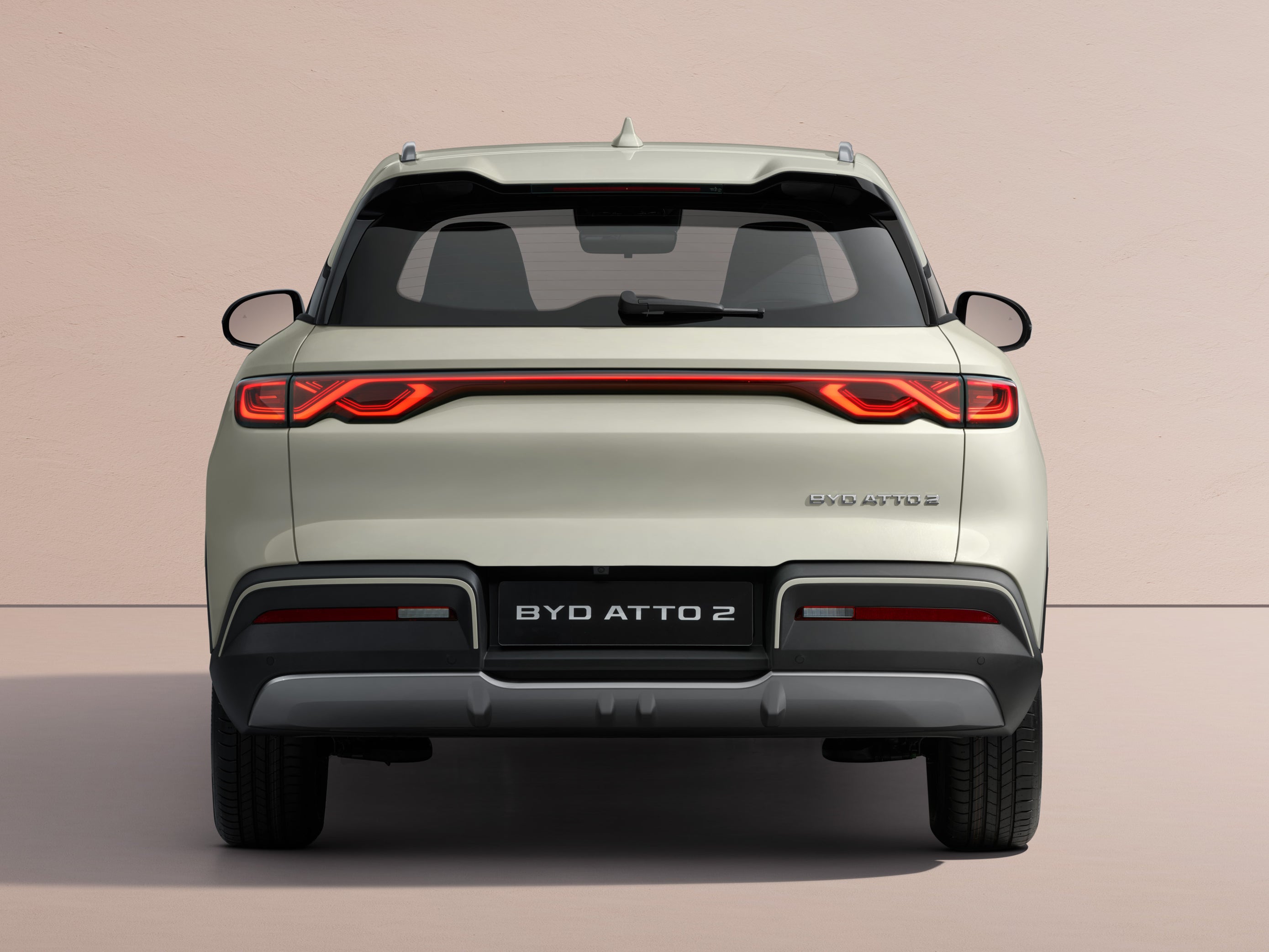
Executive leadership envisions two or three of these mechanical greeters in every single store. They promise the machines are here to assist human hands, not sever them. Yet the underlying message remains crystal clear. The assembly lines that stamp out chassis, wire lithium-ion cells, and calibrate microprocessors share a common genetic code with bipedal automation. Giants like BYD already manufacture their own foundational components at a scale that leaves traditional tech startups gasping for air. When you control the muscle, the nervous system is just the next logical expense.
Look elsewhere on the globe, and the map of commerce is rewriting itself in real time.
Thousands of miles away across the Pacific and down into South America, a different kind of rush is reaching a fever pitch. Consider the ports of Brazil. In the first five months of the year, cargo vessels unloaded a staggering 5.2 billion dollars worth of vehicles shipped straight out of China. That figure represents a meteoric 146.9 percent leap from the previous year, vaulting the South American nation past heavyweights like Russia and Belgium to claim the crown as the world's largest importer of Chinese automobiles.
Behind that statistic lies a frantic race against the calendar.
Of that staggering five-billion-dollar wave, a massive 4.5 billion dollars consisted purely of electrified and hybrid models. But look closer at the monthly distribution. April and May alone swallowed 2.7 billion dollars of that total. This was not a slow, organic climb in consumer desire. It was a mad dash. Importers and buyers scrambled to land shipments on foreign docks before a heavy tariff wall crashed down in July. Ships raced against political decrees, burning heavy bunker fuel to beat a midnight tax deadline.
Markets hate uncertainty. Tariffs are the iron fists that force acceleration.
The coincidence of these two phenomena—the sudden rush of electric vehicles into Brazilian ports and the hasty birth of showroom robots in Chinese tech centres—tells a unified story about modern momentum. Both trends are reactions to walls. When trade barriers rise and domestic markets saturate, industry looks for alternate routes. If foreign nations close their doors to rolling steel, companies look toward intellectual properties like robotics, or they flood open markets before the port gates slam shut.
The global supply chain is no longer a quiet, predictable river. It is a series of flash floods.
Back in the showroom, the prototype machine waits for its debut. Investors are sceptical, whispering about the lack of concrete production timelines and the looming shadow of international restrictions attempting to bar foreign robotics from Western markets. The road ahead is riddled with regulatory tripwires.
Yet the machine does not worry about geopolitics. It stands on its composite joints, powered by the same industrial might that rerouted the automotive destiny of an entire continent. The future is arriving not with a whisper, but with the hum of a server rack and the heavy thud of a customs stamp.