Eleven thousand.
Say the number slowly out loud, and notice how quickly your mind turns it into ink on a spreadsheet rather than a room full of breathing people. When a headline announces that Ebola has topped 11,000 cases in the Democratic Republic of the Congo's deadliest outbreak, our brains reach for a familiar shield. We shrink the tragedy into a statistic. We tuck it behind a border. We tell ourselves that epidemics in distant provinces are someone else's emergency, measured in bar graphs and press briefings rather than heat, sweat, fear, and grief. For another view, see: this related article.
I have stood in clinics where the air smelled sharply of chlorine bleach and woodsmoke, where a nurse's hands trembled inside two layers of latex not because she lacked courage, but because she had already buried three cousins that month. I will be honest with you right away: even when you study infectious diseases and live alongside emergency teams, outbreaks like this can still feel dizzying and hard to grasp. The numbers move faster than any single mind can track. The politics twist through forest roads and displaced camps. And sometimes, when fear sits heavy in a community, a sick neighbor hides a fever because going to a clinic feels like saying goodbye to everyone you love.
To understand what crossing 11,000 cases actually means in Congo's deadliest outbreak, we have to step past the cold tally and look at the human threads tying every single one of those cases together. Similar analysis on this trend has been published by Mayo Clinic.
A Number Is Not a Crowd
Imagine a football stadium holding eleven thousand fans. That is a helpful mental picture—a metaphor, nothing more—to show scale. Now strip away the cheers, the banners, and the halftime snacks. Picture instead eleven thousand separate moments when a body suddenly turns traitor: a pounding headache behind the eyes, a sudden spike of fever, aching joints, a throat that burns, and then the terrifying slide into vomiting, diarrhea, and internal bleeding that leaves families watching someone they love slip away in days.
In public health, each suspected, probable, or confirmed case represents a person whose life—and whose household's life—changed overnight. When an outbreak crosses 11,000 cases in the Democratic Republic of the Congo, it is no longer a localized spark that a single clinic can stamp out before dusk. It is a wide, branching fire moving through towns, markets, farms, and displacement settlements.
Consider what happens next when a single case goes uncounted. A mother cares for a sick child at home because the nearest treatment center is hours away by rutted mud road, or because armed insecurity has shut down local health posts. She wipes a brow with a piece of cloth. She holds a shaking hand in the dark. A few days later, her own skin feels too hot. That is how transmission works in real life: not through mystery or malice, but through tenderness, duty, and proximity.
People often ask how Ebola spreads in the first place, almost as if hoping for a simple rule that keeps everyone safe at a distance. Unlike airborne viruses that drift across a crowded room with every breath, Ebola spreads through direct contact with the blood or body fluids of a person who is sick with or has died from the virus, or through objects contaminated with those fluids. That distinction sounds straightforward on paper. In a cramped home with one bucket of water and no running taps, caring for someone who is violently ill makes contact almost impossible to avoid.
Two Characters in a Shifting Storm
To see how these numbers take root on the ground, let us follow two composite characters—fictional figures built directly from real patterns documented across Eastern Congo's outbreaks, rather than real individuals.
Hypothetical scenario: picture Maman Jeanne, a market trader in her late forties who sells cassava flour and smoked fish along a busy crossroads. Jeanne knows everyone. She knows which families have enough food this week, which clinic nurses have run out of gloves, and which roads become impassable when heavy rain turns red clay into axle-deep soup. When rumors of a strange, deadly fever start circulating, Jeanne does not dismiss them, yet she also has rent to pay and children who depend on her daily earnings. When a cousin falls ill and refuses to go to an isolation ward—fearing rumors that patients never walk out—Jeanne brings food and water to the door. Fear pulls one way; kinship pulls the other.
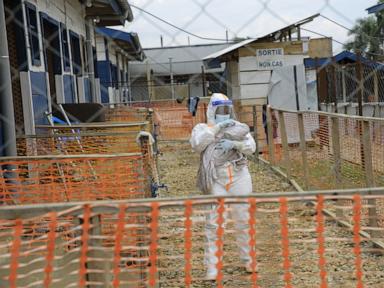
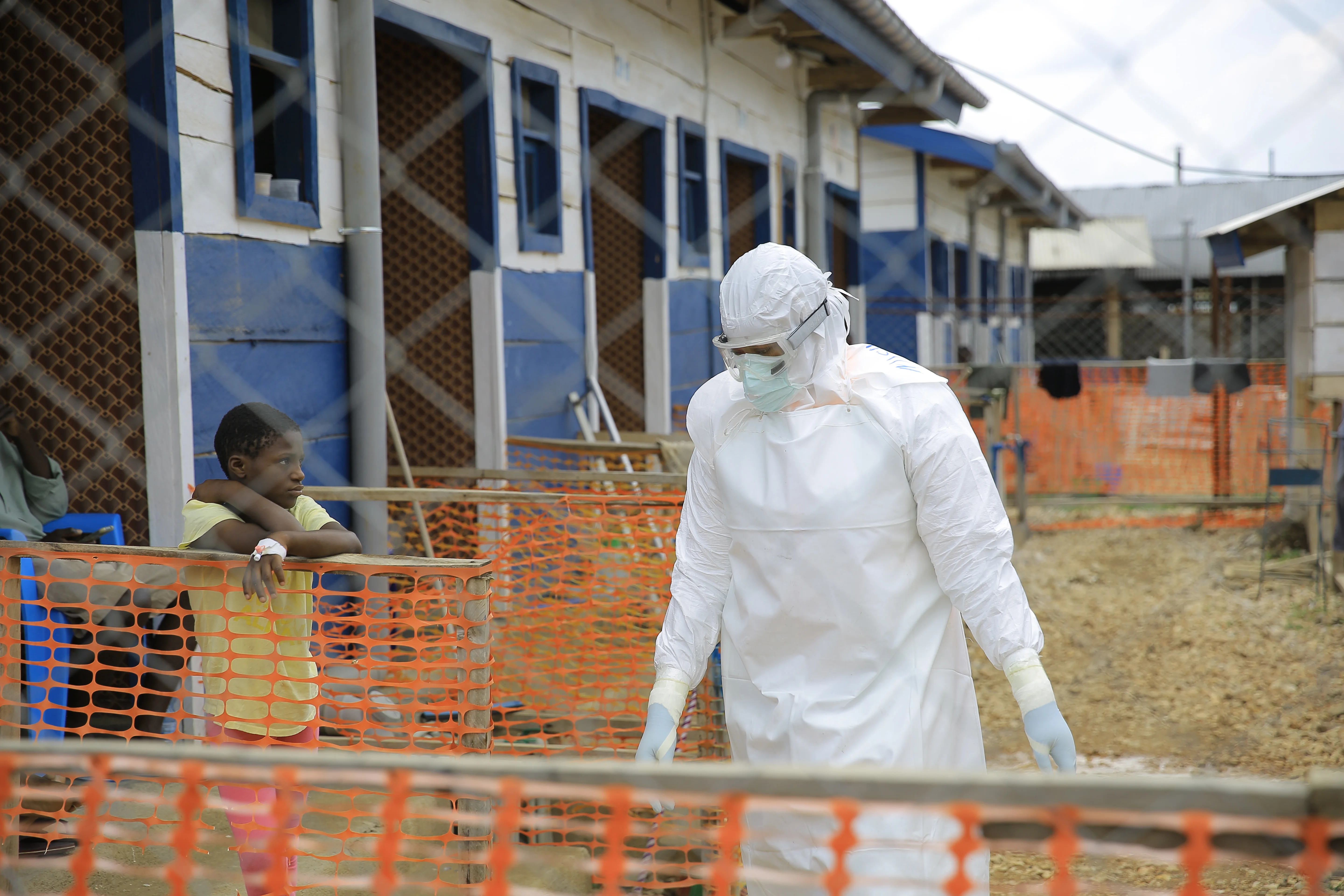
Now picture Dr. Patrick, a local physician working with a response team trying to trace every person who touched a patient over the past three weeks. Patrick wears heavy protective gear in tropical humidity that turns a Tyvek suit into a personal sauna. Inside that suit, sweat stings his eyes, his glasses fog, and his ears ring with his own breathing. He has only forty-five minutes or an hour per entry before heat exhaustion becomes a danger of its own. When he steps out and peels away the layers under a chlorinated spray, he carries a heavy question in his chest: how many contacts did we miss today because a family was terrified of being judged, or because armed clashes forced thirty households to flee before dawn?
That tension between Jeanne and Patrick is the real engine of Congo's deadliest outbreak. Public health workers often talk about "contact tracing" and "ring vaccination" as neat technical gears. On the ground, every gear turns against human emotion, economic survival, and months or years of exhaustion.
Why Deadliest Means More Than Death Tolls
When a headline calls an outbreak the deadliest in Congo's history, readers naturally look for a body count. Case fatality rates matter—historically, Ebola outbreaks have killed roughly half of infected people on average, swinging higher or lower depending on the virus strain and how quickly patients receive supportive care—yet "deadliest" carries a wider weight.
An outbreak becomes deadliest when it overwhelms the places where people go for ordinary survival. Think of a hospital like a dam holding back a river. Even when the dam isn't built for a flood, it holds steady most days. Now send a torrent down the valley while workers are stranded upriver and spare parts cannot get through. The dam doesn't just leak; every routine need backs up behind it.
Women in labor arrive at clinics that have closed or run low on supplies. Children with malaria or pneumonia miss care because families fear catching a hemorrhagic fever at the health post or cannot afford transport. Measles, cholera, and malnutrition linger quietly in the background, waiting for health systems to stretch thin. So the true toll of crossing 11,000 cases is never just the deaths directly attributed to the virus. It is also the quiet deaths that happen when clinics buckle, when trust fractures, and when fear keeps sick people away until it is too late.
If you have ever felt helpless watching bad news unfold from thousands of miles away, you know how easy it is to swing between panic and numbness. Neither helps. Panic blinds us to how outbreaks actually end; numbness lets us forget that every statistic had a name.
How Epidemics Lose Their Grip
How does a crisis that has already passed 11,000 cases finally begin to slow down? Not through a single dramatic miracle, and not through outsiders barking orders from clipboards.
It slows down when trust is rebuilt piece by piece. When response teams listen first instead of lecturing. When communities help design safe, dignified burial practices that honor the dead without exposing mourners to infectious fluids. When local nurses, drivers, community health workers, and survivors lead the conversation because neighbors trust voices they already know.
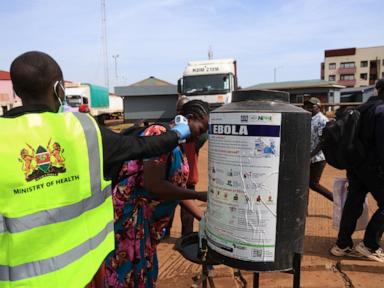
It also slows down through relentless, unglamorous basics: isolating sick patients quickly, providing strong supportive care—fluids, electrolytes, and treatment for secondary infections—that gives bodies a real fighting chance to survive, tracking contacts before symptoms appear, and deploying vaccines and therapeutics wherever they are available and safe to use. Even when treatment centers save lives, early care makes a stark difference. The sooner a patient reaches medical support, the better their odds of walking out alive.
There is another answer people often look for: can an outbreak like this reach us across the ocean? It is a fair question, born of an interconnected world where a flight crosses continents in hours. In reality, international spread is far less likely than local transmission inside the affected region because Ebola is not spread through casual air contact like influenza or measles, and airports and health authorities monitor travelers and respond rapidly to suspected cases. The gravest danger remains right where the outbreak is burning—among communities already carrying heavy burdens of displacement, poverty, and conflict.
The Cost of Looking Away
Why should someone reading this far from the Congo Basin care deeply about a milestone of 11,000 cases?
Because viruses do not care about geography, news cycles, or donor fatigue. They care about gaps. A gap in funding. A gap in security. A gap in clinic supplies. A gap in trust between neighbors and responders. Whenever the world treats a massive outbreak as old news because the case count climbs into the thousands, those gaps widen.
Look again at Maman Jeanne setting a bowl of food outside a doorway, and Dr. Patrick stepping out of heat-soaked protective gear into the twilight. Between them stretches the entire story of this epidemic: ordinary people trying to care for the people they love while fighting an invisible threat that punishes every hesitation.
Eleven thousand cases is not a finish line for a headline. It is a measure of how long this storm has been raging, how hard it has hit, and how urgently it demands steady, human attention.
Outside a small clinic at dusk, a lantern flickers against the purple dark, and a mother holds her child's hand tight enough to keep the night at bay.