The glow of a screen at three in the morning is a specific kind of blue. It is the color of waiting.
For months, millions of people had pinned their hopes to a digital lottery, a random number generator buried deep inside a corporate ticketing portal. They wanted a piece of history. They wanted to sit in the stands when the stadium lights hummed to life in the summer of 2028, watching athletes push the boundaries of human endurance under the flag of their nations. They wanted the roar of the crowd, the heat of the asphalt outside the arena, the collective intake of breath right before the starter's pistol cracks.
Then the notification arrived.
For most, it was a polite rejection. An empty inbox. A digital closed door.
If you are one of the millions who stared at your screen reading those polite words of denial, your chest likely tightened. You might have felt that sudden, sinking hollow behind your ribs. You planned the vacation days. You budgeted the flights. You dreamed of the opening ceremony. And now, you have nothing to show for it except a lingering sense of being locked out of a global celebration.
Breathe.
Take a step back from the terminal screen. Because the conventional narrative about Olympic tickets—that the initial lottery is the beginning and the end of the journey—is a myth built to drive panic.
Consider a hypothetical fan, let us call her Sarah, who spent her morning refreshing an empty cart for the Los Angeles Games. She watched the countdown clock hit zero, saw the queue numbers climb into the hundreds of thousands, and watched helplessly as session after session turned gray. Sold out. Unavailable. Gone.
Sarah represents a collective panic. We treat ticket windows like final judgments. We assume that if our name is not drawn on the first sweep, we are permanently exiled to our living room sofas for the next four years.
History tells a different story.
Every single modern Olympic cycle follows a predictable behavioral rhythm. The initial primary sales phase is designed to capture excitement, capitalize on peak marketing momentum, and secure massive upfront capital for the organizing committees. It is a high-stakes frenzy. But it is not the whole story. It is merely the opening act.
Think about how human beings actually live their lives. Four years is an eternity. People change jobs, relocate across continents, suffer injuries, experience financial shifts, or simply find themselves unable to make the logistics work when the time finally arrives. Life happens.
Because life happens, tickets move.
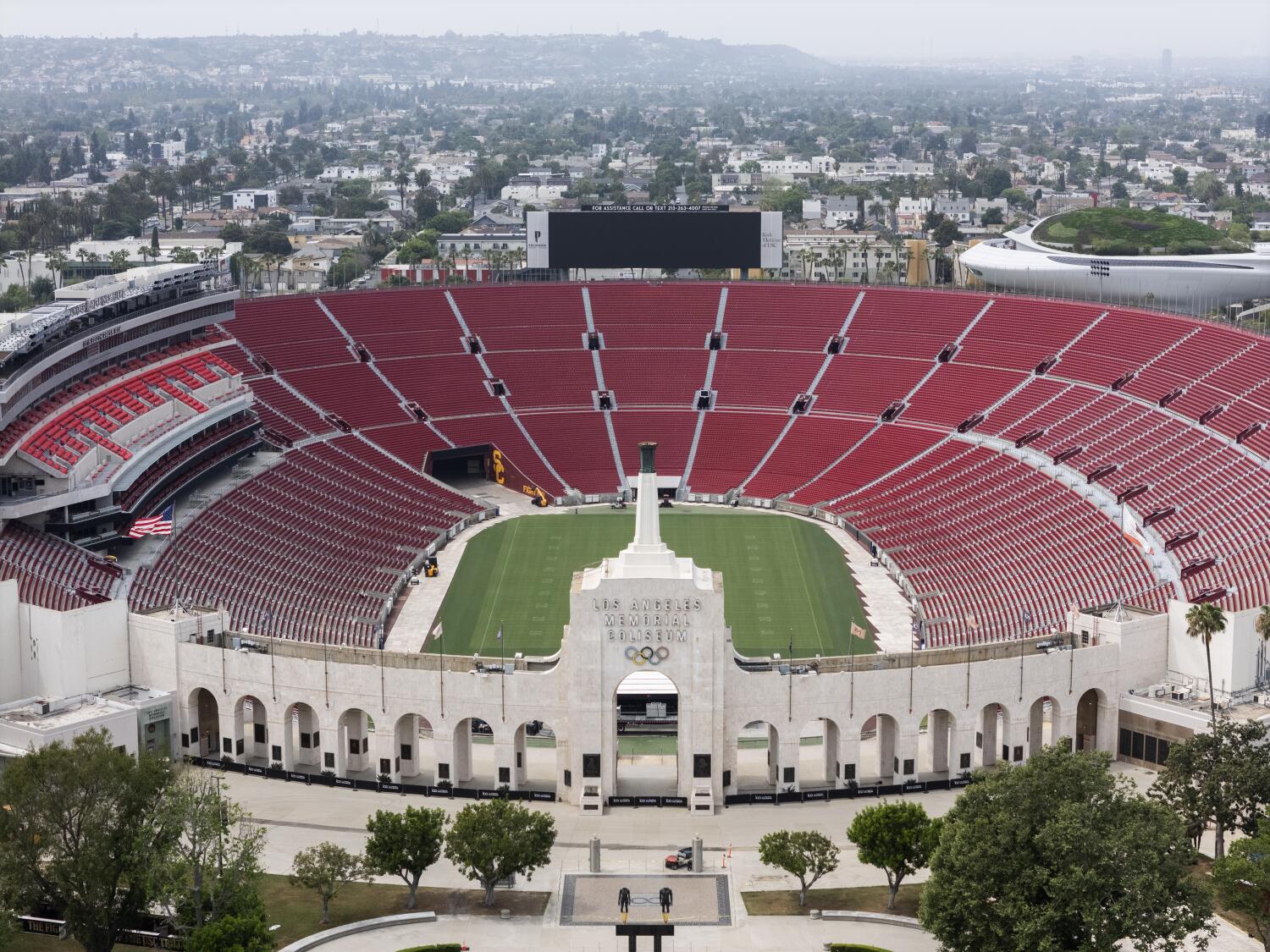
When those initial buyers realize they cannot travel, or when organizers realize they have miscalculated the precise physical configurations of temporary seating structures within iconic venues like the Los Angeles Memorial Coliseum or SoFi Stadium, inventory shifts. New blocks of seats materialize. Official resale platforms open. Official hospitality packages are restructured.
This is where the real game begins for the persistent.
The primary mistake people make is abandoning hope after the dust settles from the first major ballot. They assume the door is bolted shut. In reality, the door is merely swinging open to a different kind of access—one that rewards patience, strategy, and calm observation over frantic luck.
Let us look at how the machinery actually operates behind the scenes.
Official ticket resale platforms are mandated by the International Olympic Committee and local organizing committees to prevent predatory scalping on the black market. These official channels are safe, regulated, and tethered to face-value economics or controlled markup limits. When someone returns a ticket because their plans fell through, it does not vanish into the ether. It re-enters the ecosystem through authorized channels.
This means your strategy must evolve.
Instead of treating the ticket search as a single lottery ticket purchase, treat it like an ongoing practice of mindful alertness. Set alerts. Check back during key operational milestones. These milestones often align with venue construction updates, when sightline testing concludes and seating capacities are officially expanded or finalized. Organizers frequently hold back blocks of seats until they can guarantee every camera angle, press box, and temporary scaffolding unit is secured. Once those physical parameters are locked into place, hundreds or thousands of previously invisible seats are released back into the wild.
You do not need an insider pass to know this. You just need to understand the logistics of mega-events.
Imagine walking through the historic corridors of a venue like the Rose Bowl. On paper, every seat is accounted for months in advance. But walk the floor with an operations manager, and you quickly learn that seating manifests are living, breathing documents. A camera well shrinks by three feet. A broadcast booth is relocated to a different zone. Suddenly, a row of twenty seats opens up in a section that was previously marked as a desert of availability.
These adjustments happen quietly. They do not make front-page news. They just appear on the portal when you least expect them.
There is also the matter of hospitality tiers. Many casual fans ignore these because they assume the price tags are exclusively reserved for corporate executives with endless expense accounts. While top-tier packages are undeniably steep, intermediate hospitality options often include bundled access, transport solutions, and guaranteed seating allocations that remain undersubscribed during the initial consumer rush. When casual demand cools, these tiers occasionally experience strategic price adjustments or unbundling to ensure every seat is filled on television.
The emotional toll of missing out on the initial drop is real. It feels personal. It feels like a rejection by the very spirit of international unity that the Games are supposed to represent.
Do not let that feeling trick you into giving up.
The most memorable experiences often belong to those who arrived through the side door. The fan who gets a last-minute ticket to a preliminary heat of a sport they barely understood, only to witness an underdog break a world record five feet away from their seat. The traveler who connects with a local host because they booked their trip late and stayed in an unconventional neighborhood far from the standard tourist clusters.
The rigid timeline of the official lottery is an illusion. The Games are not a closed club; they are a sprawling, messy, temporary metropolis built on asphalt and hope, designed to welcome the world.
Your inbox might be empty today. The screens might still flash red with refusals.
Keep watching. The stadium lights are still years away from turning on, and the real journey has barely begun.