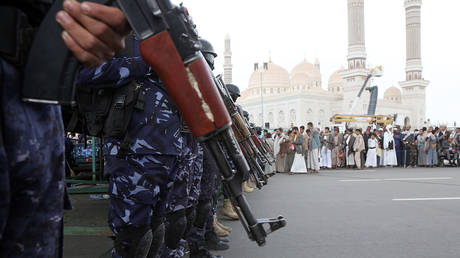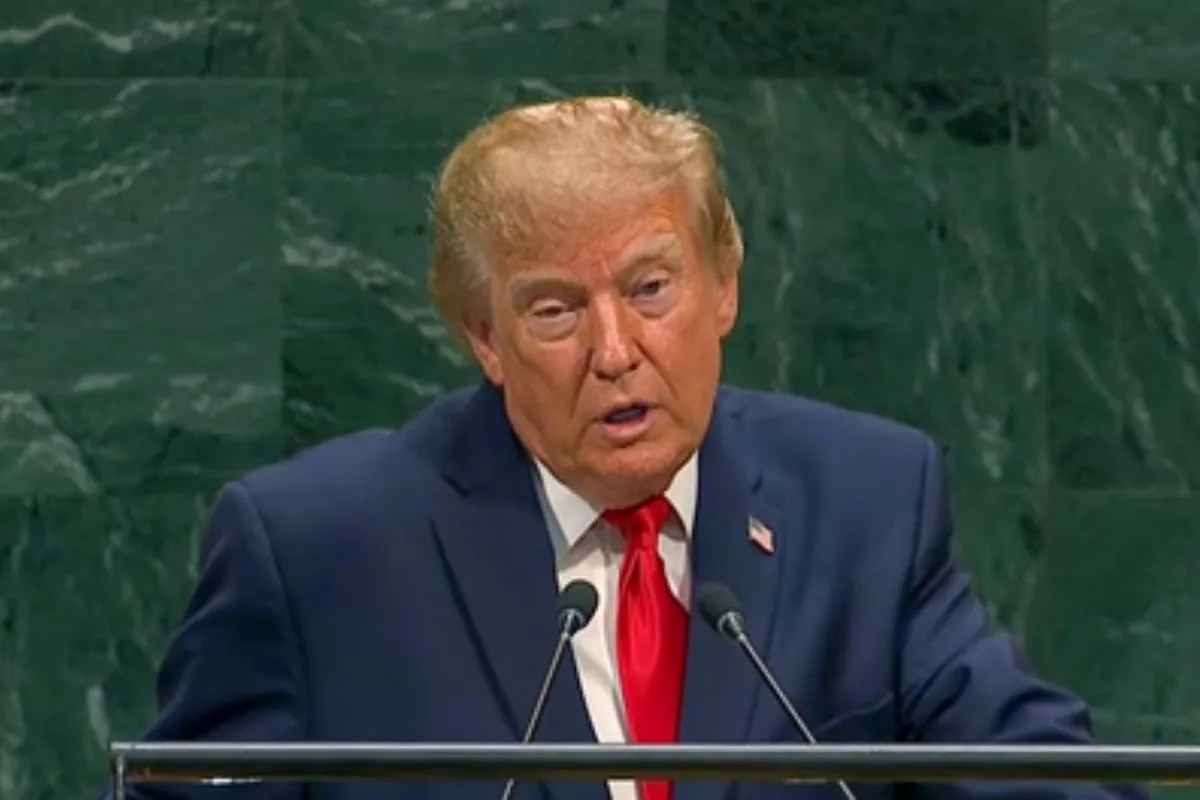
Security advisories warning citizens across the Middle East rarely reflect a single military decision; they expose a feedback loop between coercive pressure, domestic political calendars, and maritime choke points. Standard wire-style coverage treats heightened alerts, rumors of heavy strikes, airport disruptions, and diplomatic posturing as isolated headlines. Examining the underlying mechanics reveals a far more structured dynamic: when naval blockades, proxy threats, and election cycles collide, low-grade friction steadily raises the cost of restraint without resolving the core dispute.
Deconstructing the Standard Headline Narrative
A typical breaking-news report on Middle East security alerts strings together five elements: a warning to American citizens in the region, speculation over potential U.S. strikes (sometimes mentioning heavy ordnance), endorsements or rhetoric involving regional leaders, Houthi or militia threats affecting airports or shipping, and remarks by officials on both sides. While useful for rapid awareness, that sequence compresses distinct causal mechanisms into a single alarmist arc.
First, a consular alert is an administrative risk-management measure, not a countdown clock to an invasion. Embassies issue advisories when airspace closures, missile or drone activity, or civil unrest threaten commercial transit and civilian safety, even when policymakers are actively weighing diplomatic off-ramps or trying to avoid an immediate shock. Second, media reports of strike options reflect contingency planning and signaling rather than confirmed execution. Armed forces maintain strike packages across multiple threat tiers continuously; leaking or discussing heavy munitions shifts perceived bargaining leverage before a single shot is fired.
Third, domestic politics in Washington and the region alter timing incentives in ways surface reporting often blurs. Around major elections—such as U.S. midterm voting or Israeli legislative contests—leaders face competing pressures: projecting strength and backing allies versus avoiding energy price spikes or open-ended entanglement that could alienate voters. Treating every statement as an equal predictor of imminent combat mistakes political signaling for operational commitment.
Known Facts Versus Educated Hypotheses
Separating verified operational realities from analytical inference keeps risk assessment grounded when rumors multiply.
Known facts center on observable posture, advisories, and reported incidents:
- U.S. diplomatic missions and the State Department have issued security alerts urging vigilance in the Middle East amid elevated regional tensions, potential airspace or flight disruptions, and threats involving Iran, aligned groups, or Houthi attacks affecting Gulf infrastructure and travel.
- Maritime and Gulf security has been strained by clashes, tanker incidents in or near the Strait of Hormuz, naval enforcement and escort activity, and strikes or interceptions involving regional facilities and airspaces.
- Public statements from U.S., Iranian, and regional officials have paired warnings of readiness or strike options with talk of negotiations, alongside domestic political dynamics such as election periods.
Educated hypotheses attempt to explain intent and trajectory where public evidence is incomplete:
- Tehran's pattern of maritime and regional pressure may reflect an effort to raise the economic and political cost of maritime restrictions and military containment without triggering a full-scale war it cannot sustain on favorable terms.
- Washington's mix of force deployment, deterrence messaging, and cautious timing around domestic electoral sensitivity likely aims to preserve leverage while limiting energy-market shocks.
- Decentralized or proxy actors—including Houthi forces and regional militias—may act on autonomous operational incentives or opportunism that complicate state-level signaling and raise the risk of miscalculation.
The Cost Function of Coercive Standoffs
To understand why tensions persist even when neither side wants an uncontrolled spiral, model the standoff as a cost function for both Washington and Tehran. Each side weighs the immediate payoff of coercive pressure against rising cumulative penalties.
For the United States and its Gulf partners, maintaining a heavy military posture, escorting vessels, and enforcing maritime pressure imposes fiscal costs, wears down hardware and crews, and exposes high-value bases, radar sites, and commercial hubs to asymmetric retaliation. Escalating sharply with large-scale strikes carries a different penalty: potential spikes in global oil prices, broader regional retaliation against energy or aviation nodes, and domestic political backlash if casualties or economic disruptions mount. Yet doing too little risks emboldening adversaries to test deterrence further.
For Iran, absorbing economic pressure and maritime restrictions erodes domestic stability and external trade. Retaliating via asymmetric strikes, missile or drone harassment, or maritime friction raises costs on adversaries and global shipping markets, but crossing into all-out war risks severe damage to military assets, infrastructure, and regime security.
Structural Bottlenecks the Standard Narrative Misses
- The Signaling-Miscalculation Bottleneck: Ambiguous warnings, force movements, and retaliatory strikes are meant to communicate resolve, yet adversaries and third parties often misread thresholds. A defensive interception, a misidentified drone, or a localized strike on a coastal site can trigger a retaliatory cycle that neither capital planned.
- The Chokepoint Coupling Bottleneck: Chokepoints such as the Strait of Hormuz and Red Sea lanes link localized military incidents directly to global freight, insurance rates, and energy prices. A single tanker incident or airport closure reverberates far beyond the immediate combat zone.
- The Proxy Attribution Bottleneck: When aligned militias or Houthi forces conduct attacks on shipping, airports, or regional infrastructure, attribution and command-and-control links are rarely neat. Responding against the state sponsor risks direct escalation, while ignoring the attack signals vulnerability.
- The Civil Infrastructure Spillover Bottleneck: Modern regional security threats increasingly brush against dual-use civilian nodes—airports, ports, power facilities, and desalination plants—turning security alerts into immediate humanitarian and operational emergencies for residents and travelers.
Tactical Decision Logic for Travelers and Operators
Whether managing corporate operations in the Gulf or planning personal travel through the region, relying on rumor cycles produces poor decisions. Apply a structured four-step triage instead.
- Audit Exposure by Node, Not Just Country: Map every planned flight, transit hub, port call, or office location against active airspace or airport restrictions. A single closed hub or rerouted flight corridor can strand travelers even when neighboring cities remain calm.
- Separate Official Advisories from Social Speculation: Anchor decisions on primary consular notices, aviation bulletins, and verified operational updates rather than unverified strike rumors or social-media panic.
- Build Time and Routing Buffers: Replace tight connections through affected regional hubs with flexible tickets, alternative routings, and pre-arranged ground contingencies. When airspace closes suddenly, rebooking queues clear slowly.
- Enforce Low-Profile Protocols on the Ground: Keep travel documents accessible, enroll in official traveler alert programs, maintain charged communications and backup power, avoid protests or sensitive installations, and follow local authorities' instructions during aerial or security alerts.
Limitations of These Precautions
No traveler or corporate continuity plan is immune to sudden, sweeping airspace closures or unexpected infrastructure strikes. Rerouting adds cost and travel time, and local conditions can shift faster than advisories update. Preparedness lowers friction and exposure; it cannot eliminate geopolitical risk.
Strategic Play
Treat security alerts in the Middle East as an early indicator of escalatory friction, not proof that full-scale war is inevitable. Organizations and individuals with essential ties to the region should lock in flexible routing, keep non-essential travel discretionary during heightened alert windows, and track two concrete inflection points: whether maritime restrictions and retaliatory strikes intensify across Gulf nodes, or whether diplomatic channels produce a verifiable de-escalatory arrangement.