Brussels is paralyzed, and you’re the one paying for it at the pump. While EU diplomats sit in air-conditioned rooms in Luxembourg debating the semantics of trade agreements, the war in Iran and escalating tensions in Israel are hitting European wallets hard. It’s a messy, fractured reality where soaring energy costs are no longer just an economic statistic—they’re a direct result of a continent that can’t decide where it stands.
If you’ve noticed your heating bill or petrol costs jumping lately, you’re not alone. Since the war in Iran ignited on February 28, 2026, wholesale gas prices have surged by 67%. Oil isn't far behind, up 35%. We aren't quite at the nightmare levels of the 2022 energy crisis yet, but the trajectory is terrifying. Europe is trying to play a high-stakes game of geopolitical chess with one hand tied behind its back because its member states are fundamentally divided on how to handle Israel.
The Israel Policy Deadlock
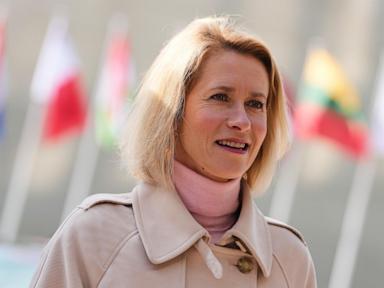
The European Union’s foreign policy chief, Kaja Kallas, admitted this week that there’s no clear political agreement to ramp up pressure on Benjamin Netanyahu’s government. It sounds like a broken record. Spain, Ireland, and Slovenia are shouting for a total suspension of the EU-Israel Association Agreement, citing humanitarian violations in Gaza and the West Bank. They want action.
On the flip side, countries like Hungary—even with a new leadership transition—have historically played the spoiler. While outgoing Prime Minister Viktor Orbán’s influence is fading, the pro-Israel faction remains strong enough to block the "unanimous" consent required for major sanctions.
Belgium and Spain are now pivoting. They realize a total trade ban won't happen, so they’re pushing for a "partial suspension." This would target trade specifically, rather than the whole diplomatic framework. It’s a desperate attempt to do something while the Mediterranean neighborhood burns.
Energy Security is a House of Cards
Don't let the "well-prepared" press releases from the European Commission fool you. Yes, we have reserves. Yes, we have Norway and the U.S. shipping us gas. But the closure of the Strait of Hormuz isn't a "potential" threat—it’s a daily reality that’s choking global supply chains.
- Fuel Prices: Petrol and diesel prices at the pump have already climbed roughly 20% in some regions.
- Electricity: Gas-fired power costs in the EU jumped 50% in just the first ten days of the conflict.
- Jet Fuel: Experts are warning that flight costs will spike soon as jet fuel shortages loom.
The IMF is already slashing growth forecasts. We’re looking at a dismal 1.1% growth for the Eurozone in 2026. If the Iran ceasefire, which expired on Wednesday, April 22, 2026, isn't renewed or replaced by a real peace deal, that growth could vanish entirely, replaced by 5% inflation and a grinding recession.
Why Domestic Politics Trumps Foreign Unity
You’d think a massive energy spike would force the EU to unite. Instead, it’s doing the opposite. Governments are terrified of their own voters. In the UK, the government is staring down a £600 million bill just to delay fuel duty increases. In France and Germany, the "cost of living" is the only metric that matters at the ballot box.
This domestic pressure makes it impossible to have a coherent foreign policy. If a country like Germany takes a hard line on Middle East energy exporters to support Israel, and their heating bills triple, the government collapses. If Spain cuts trade with Israel and loses economic momentum, they face a domestic crisis. It’s a cycle of indecision that benefits no one but the aggressors in the Middle East.
What You Should Actually Expect Next
Expect more "targeted relief" that doesn't actually solve the problem. The European Commission is proposing lowering electricity taxes and expanding state aid, but that’s just moving money from one pocket to another. It doesn't put more oil in the tanks.
Here is the reality of the next few months:
- Partial Trade Bans: Watch for the EU to target products specifically from West Bank settlements. It’s a "middle ground" that allows them to claim moral high ground without actually blowing up the Association Agreement.
- Voluntary Fuel Saving: You’ll soon see "public awareness" campaigns asking you to drive less or turn down the thermostat. It’s a sign that the supply side is much tighter than they’re admitting.
- Refinery Delays: The EU is already asking refineries to skip non-essential maintenance to keep the fuel flowing. This is a short-term fix that risks long-term infrastructure issues.
If you’re a business owner or a homeowner, don't wait for a "European solution" to lower your costs. Lock in energy rates where you can. The division in Luxembourg isn't a temporary glitch; it's the new baseline for a continent that has lost its ability to speak with one voice.
Start looking at your own "energy security" now. Whether that’s accelerating a transition to solar or just auditing your transport costs, the "Mideast crisis" is now a permanent fixture of the European economy. The diplomats will keep talking, but the bills will keep arriving.