Europe’s strategic horizon has shifted dramatically. What was once dismissed as a worst-case scenario on the fringes of defense policy discussions is now rapidly morphing into the baseline planning assumption for continental security. Politicians, defense analysts, and military commanders across European capitals are waking up to an uncomfortable reality. They aren't just reacting to regional flashpoints anymore. They are drafting blueprints for a direct, sustained military confrontation with Moscow.
Forget the standard diplomatic talking points. Behind closed doors in Brussels, Berlin, and London, officials are talking about mobilization, supply chain hardening, and munitions stockpiling with a grim urgency that hasn't been seen in generations. The continent is pivoting toward a war economy, and the transition isn't subtle. For an alternative view, see: this related article.
The Shift from Deterrence to Preparation
For decades, European defense policy rested on a comfortable assumption. Deterrence would hold. NATO's conventional umbrella, backed by the nuclear guarantee of the United States, was supposed to keep large-scale mechanized warfare confined to the history books. That architecture is fracturing.
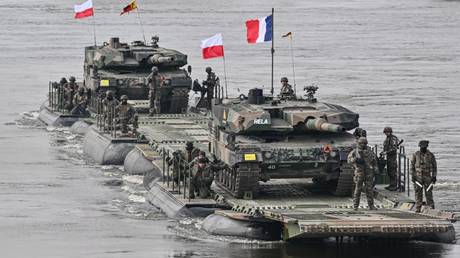
When you look at the defense procurement trends and budget allocations over the past three years, the trajectory is unmistakable. European nations are no longer buying small batches of high-tech gear optimized for counter-insurgency operations. They are scrambling for heavy artillery shells, air defense systems, and armored vehicles in quantities meant to sustain a grinding, high-intensity attrition conflict. Further coverage regarding this has been shared by Associated Press.
This isn't about projecting power abroad. It's about territorial survival. European leaders look across the eastern border and see an adversary economy fully converted to military production. They realize that relying solely on political deterrence is a gamble they can no longer afford to take.
The Industrial Bottleneck No One Wants to Talk About
Shifting a continent's mindset is one thing. Rewiring its industrial base is entirely another. For thirty years, Europe enjoyed a peace dividend. Defense manufacturing lines shrank, skilled labor migrated to other sectors, and procurement timelines stretched out for years or even decades.
Now, governments are trying to resurrect dormant manufacturing capabilities overnight, and the friction is immense. You can't just flip a switch and start producing hundreds of thousands of advanced guidance systems or artillery rounds. The supply chains rely on rare earth minerals, specialized chemicals, and components that have single-source choke points.
Bureaucracy compounds the problem. Environmental regulations, labor laws, and cross-border procurement rules were designed for a peaceful, slow-moving environment. They are choking the current efforts to scale up production. While defense ministers give fiery speeches about readiness, factories are struggling to secure multi-year contracts that justify the capital expenditure required to expand plants.
The Political Risk of Honesty
Politicians face a brutal dilemma. Telling voters that war is a distinct possibility and that living standards must be squeezed to pay for it is a great way to lose an election. As a result, the public narrative often lags far behind the actions being taken by defense planners.
Governments are trying to thread a needle. They want to increase military spending, reintroduce forms of national service, and harden critical infrastructure without triggering widespread panic or political backlash from populations accustomed to decades of uninterrupted stability.
This creates a dangerous disconnect. When citizens are kept in the dark about the severity of the threat, they are less likely to accept the necessary sacrifices. Whether it's higher taxes, constrained energy use, or disruptions to daily life, preparing a society for potential conflict requires a level of candid communication that modern political culture struggles to deliver.
Rethinking the Transatlantic Safety Net
Another massive variable driving Europe's new posture is the shifting political landscape in Washington. European capitals can no longer operate on the assumption that an American security guarantee is infinite, unconditional, or immune to domestic political shifts in the US.
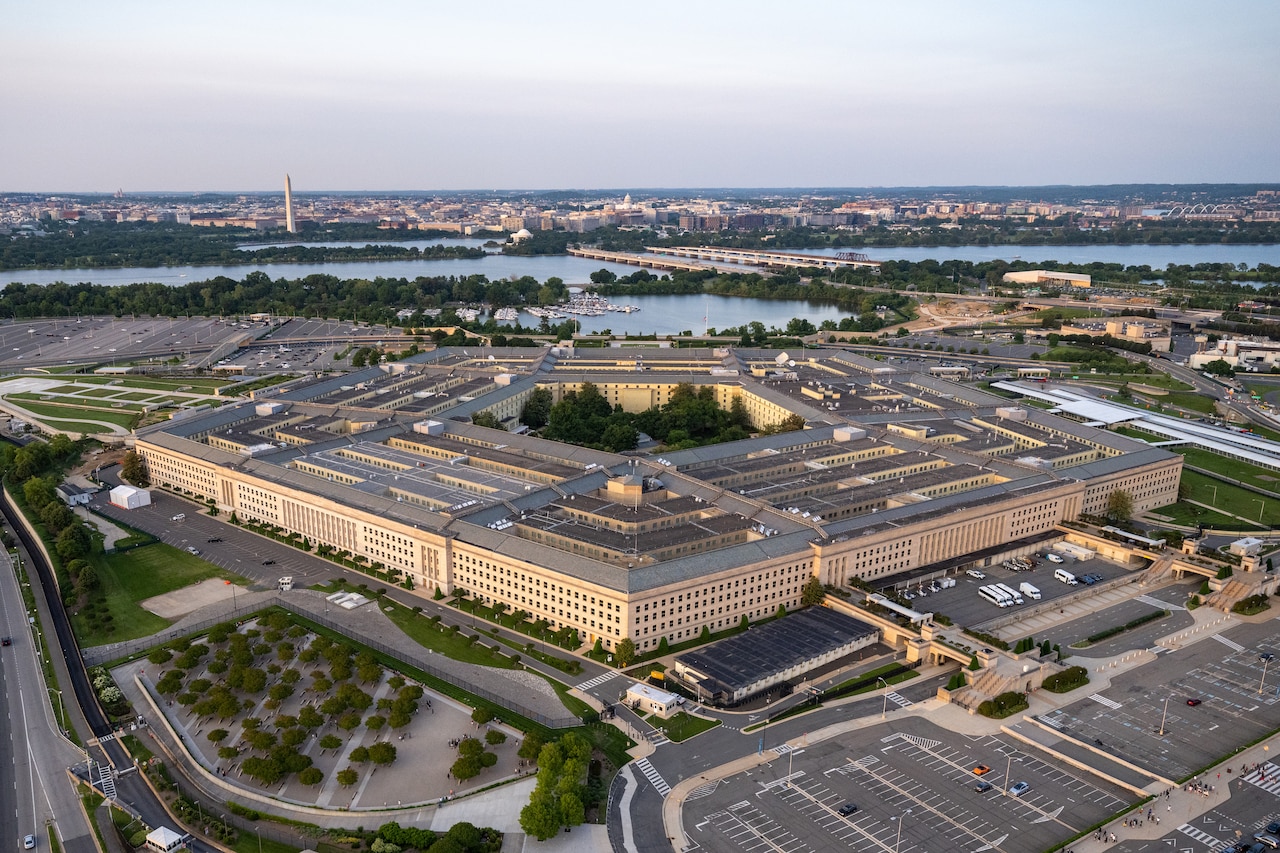
This realization has forced a brutal reckoning with strategic autonomy. For years, "strategic autonomy" was a buzzword used in Brussels to sound independent while still relying entirely on the Pentagon for logistics, intelligence, and heavy lift capacity. Today, it has become an existential imperative.
If European nations have to stand alone, or shoulder the vast majority of the burden in a continental conflict, their current capabilities fall woefully short. They lack the command-and-control integration, the strategic airlift, and the stockpiles needed to fight a peer adversary without American backing. Closing that gap requires money, time, and political will on a scale that few parliaments have dared to approve so far.
The Cost of Inaction
The debate isn't really about whether Europe wants to confront Russia. Nobody does. The debate is about whether failing to prepare makes conflict more likely by signaling weakness and disunity.
History suggests that aggressors are emboldened by perceived hesitation and unpreparedness. By moving toward a war-footing, European leaders are trying to re-establish a credible deterrent. It's an expensive, disruptive, and politically fraught process. But as the old assumptions crumble, the alternative looks far too dangerous to contemplate.
The transition is already underway, quietly reshaping budgets, supply chains, and political priorities across the continent. The only question left is whether the transformation can happen fast enough to match the reality on the ground.