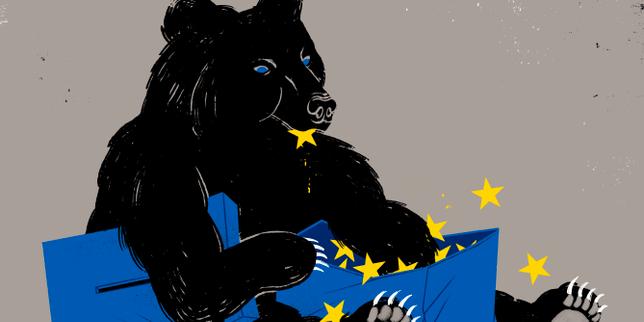
Every time a ballot box opens in Brussels, Berlin, or Paris and yields an uncomfortable result for the establishment, the panic script rolls out on cue. Brussels pundits and mainstream newsrooms immediately point east, warning that Moscow is pulling invisible strings to poison European democracy. It is a neat, comforting narrative. It suggests that European voters do not actually hold grievances, that ordinary citizens are merely gullible dupes staring at social media feeds engineered in the shadows of the Kremlin.
I have spent the past decade watching political consultants pocket millions in security budgets to fight phantom cyber threats while ignoring the actual rot eating away at domestic institutions. This entire panic industry is built on a fundamental evasion of responsibility. Blaming foreign actors is easier than admitting that domestic politicians broke the social contract.
The Myth of the Omnipotent Bot Farm
The lazy consensus dominating media coverage claims that state-backed disinformation campaigns dictate election outcomes across the continent. This assumes a level of hypnotic control that behavioral science simply does not support.
Think of it this way. If a voter in rural France or eastern Germany watches their local hospital close, sees their purchasing power evaporate under stagnant wages, and struggles to pay for heating, they do not need a foreign internet troll to tell them they are angry. Their lived reality does that job quite effectively.
When analysts obsess over viral Facebook memes or coordinated amplifier accounts, they confuse correlation with causation. Propaganda only works when the target audience already suspects the official narrative is a lie. Moscow does not create European political polarization; it merely exploits the fractures that European elites spent decades denying.
The Real Vulnerability is Domestic Incompetence
European governments love to talk about foreign interference because it frames them as defenders of freedom against an external barbarian horde. It transforms political failure into a heroic security struggle.
Look at how the term disinformation is weaponized today. Too often, anything that challenges official economic orthodoxy or questions immigration policy gets lumped into the threat matrix. This creates a dangerous feedback loop. When mainstream institutions label legitimate domestic dissent as foreign-inspired subversion, they confirm the worst suspicions of anti-establishment voters.
I have sat in closed-door briefings where intelligence officials admitted that the actual volume of foreign cyber attacks is high, but the conversion rate, the number of actual minds changed by state-backed media, remains statistically negligible compared to the impact of a single bad domestic tax policy.
Stop Chasing Shadows and Fix the Infrastructure
If policymakers actually wanted to protect elections, they would stop funding bloated cybersecurity agencies that produce glossy threat assessments and start addressing structural decay.
- Rebuild local journalism so communities have trusted sources of domestic accountability instead of retreating into digital echo chambers.
- Tie economic policy to tangible wage growth rather than abstract macroeconomic indicators that only look good on paper in Frankfurt.
- Stop treating every dissenting vote as a security threat requiring censorship, and start treating it as feedback from a population that feels ignored.
The obsession with foreign interference is a symptom of a ruling class that has lost touch with its own people. Until European leaders muster the courage to look in the mirror, they will keep fighting ghosts while the house burns down from the inside.