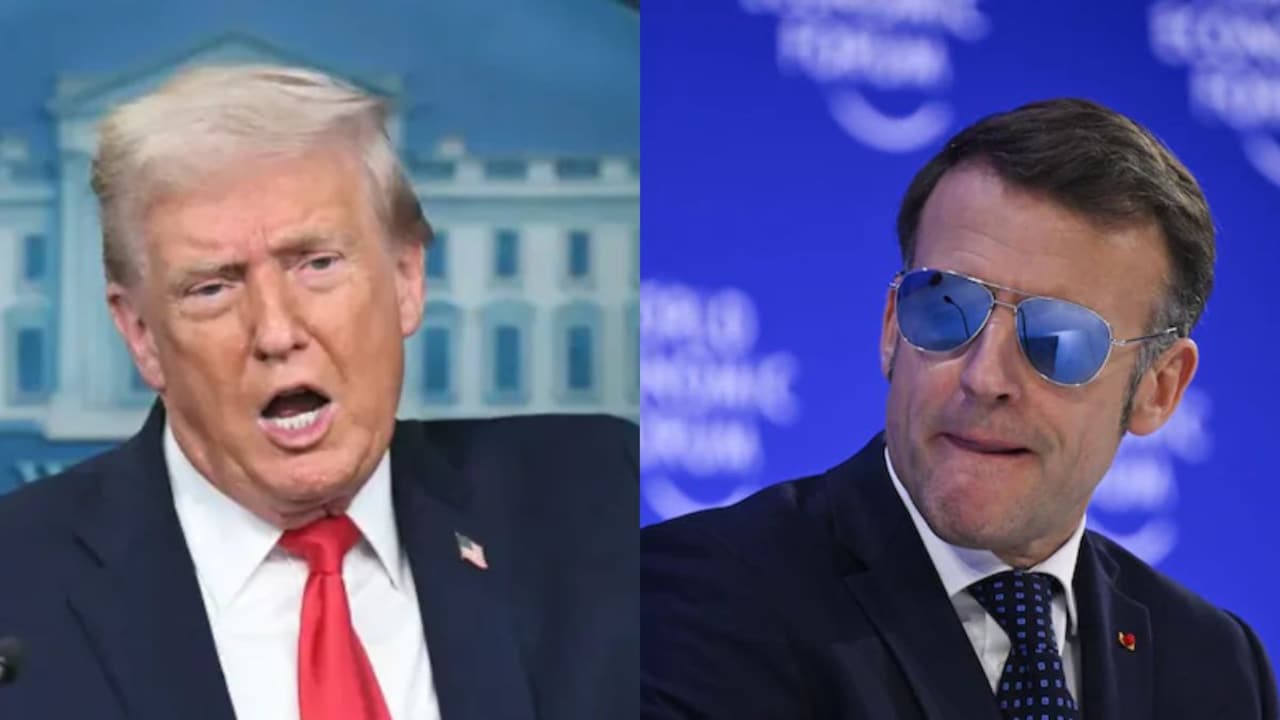
The headline writes itself. US diplomats storm out of a United Nations Security Council session. Tensions flare between Washington and Paris. Analysts on cable news sweat through their makeup talking about a transatlantic alliance fracturing in real-time. It makes for fantastic television. It drives clicks. And it is complete nonsense.
I have watched career foreign service officers execute these walkouts from the inside, and I can tell you the dirty secret of modern multilateral theater: nobody is actually angry. Everyone knows the script before they step into the chamber.
The lazy consensus in international reporting wants you to believe that a walkout signals an irreparable breakdown in communication. It feeds the tired narrative of American unilateralism clashing with French grandstanding. It treats global diplomacy like a high school cafeteria fight where someone storms off in a huff.
That is not how great powers operate.
The Anatomy of a Staged Exit
When a delegation stands up and leaves a UN meeting, the press corps treats it like a diplomatic nuclear option. Let us apply basic structural reality to this claim.
A walkout at the UN is not a sudden emotional outburst. It is a calculated bureaucratic transaction. The text of the resolution has already been negotiated down to the comma days prior in sterile basement conference rooms. The delegates know who is vetoing what before the coffee gets cold.
When the US team packs up their leather folders and marches out because of a French rhetorical maneuver, they are playing to an audience three thousand miles away. Emmanuel Macron gets to look like the defiant guardian of European sovereignty for domestic French headlines. The White House gets to show the base that it refuses to be lectured by multilateral bureaucrats.
Imagine a scenario where a diplomat actually improvised an exit out of genuine rage. That person would be recalled to Washington or Paris within twenty-four hours, stripped of their security clearance, and reassigned to archive duty in a windowless basement. Diplomacy survives on predictability, not passion.
The media confuses performance with policy. Every time a journalist breathlessly reports on a diplomatic showdown, they are falling for the oldest trick in the geopolitical playbook. They are looking at the smoke and missing the structural machinery keeping the boiler running.
The Myth of the Transatlantic Rift
Let us dismantle the underlying premise of the entire Washington-Paris rivalry myth.
People love to talk about the eternal friction between the United States and France as if it were a permanent feature of international relations stretching back to Thomas Jefferson. We hear endless chatter about strategic autonomy versus American hegemony.
I have spent years advising private sector actors navigating geopolitical risk, and I can tell you that the operational alignment between Washington and Paris is tighter than any public spat suggests. Intelligence sharing does not pause because a French envoy criticized an American trade policy at Turtle Bay. NATO supply chains do not fray because a diplomat made a dramatic exit from a General Assembly debate.
The friction is a safety valve.
France needs to periodically pick a public fight with the United States to maintain its credibility as the independent intellectual leader of Europe. The United States needs a foil that speaks eloquent English and occasionally pushes back just enough to make American multilateralism look inclusive rather than imperial.
When you look at actual voting records on security matters, sanctions implementation, and financial architectures, the divergence between the two nations is practically a rounding error. They are joined at the hip by shared economic interests, intelligence dependencies, and a mutual addiction to global management.
To suggest that a walkout portends a geopolitical divorce is like watching two professional wrestlers slam each other through a table and calling the police to report attempted murder.
The Real Cost of Diplomatic Theater
If the walkouts are fake, why do we care? Because this performative diplomacy exacts a brutal real-world toll.
While diplomats are busy choreographing their walkouts and drafting sharply worded communiqués for the press gallery, actual global crises fester. Real people suffer real consequences while ambassadors trade clever soundbites designed to trend on social media.
The multilateral system has devolved into a high-cost theater troupe. Billions of dollars in institutional overhead are funneled into maintaining forums where nations perform scripted drama instead of solving structural failures.
We saw this play out across decades of climate summits, trade negotiations, and security councils. The louder the argument in the public chamber, the less consequential the actual compromise reached behind closed doors. Real power does not reside in the grand hall of the General Assembly. Real power is exercised quietly, via secure channels, long before anyone stands up to walk out of a room.
Stop watching the exit doors. Start looking at who is holding the pen on the bilateral debt restructuring agreements signed on the exact same afternoon.
The next time a headline screams about a diplomatic showdown, remember that you are watching a soap opera produced for taxpayers who need to feel like their government is fighting for them.
The show must go on. But you do not have to buy a ticket.