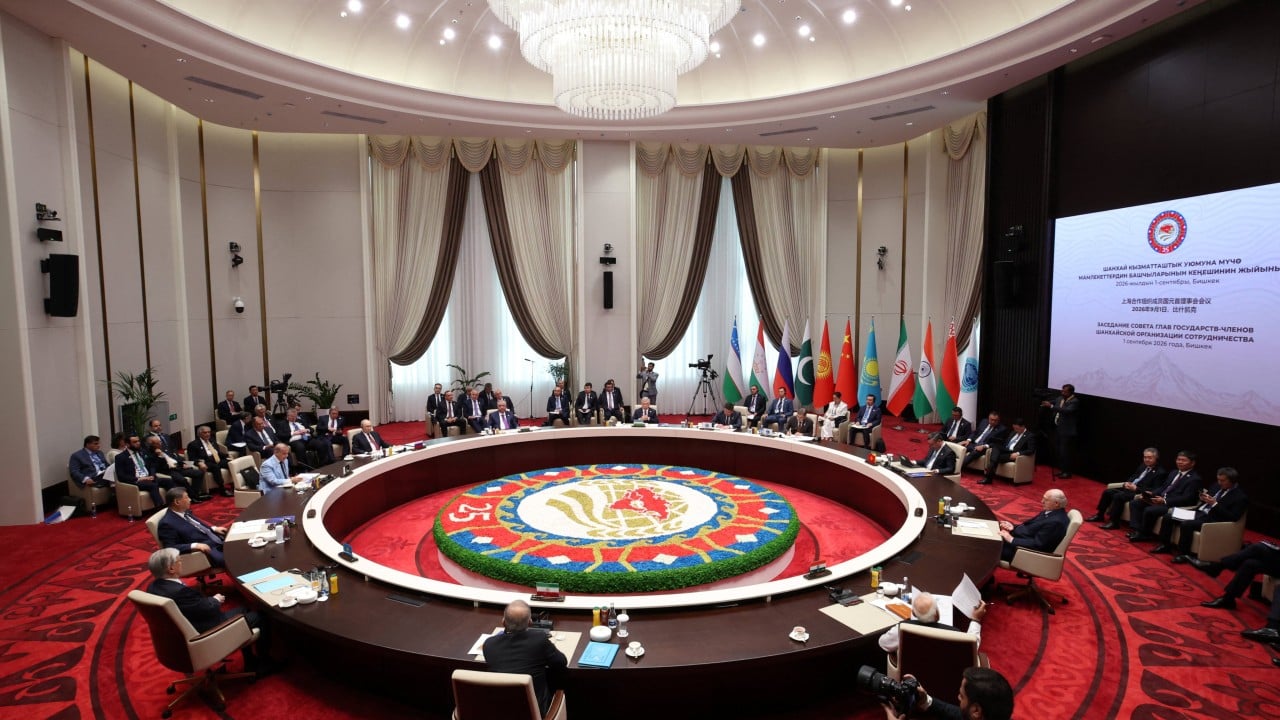
Mainstream analysts love treating diplomatic communiqués like holy scripture. When the Shanghai Cooperation Organisation drops a strongly worded declaration condemning military strikes and backing peaceful atomic rights for member states, lazy commentators rush to type out predictable hot takes about geopolitical shifts and new security architectures. They mistake rhetorical solidarity for operational defense.
Stop buying the fantasy. The institutional reality of Eurasian diplomacy is far more transactional, hollow, and structurally incapable of stopping a kinetic strike than the press releases suggest. Read more on a related issue: this related article.
The Dangerous Myth Of Multilateral Deterrence
The lazy consensus in modern foreign policy circles assumes that expanding security blocs create a protective bubble around member states facing external aggression. We watch declarations emerge from summits, note the signatures of nuclear-armed heavyweights, and assume an invisible shield has materialized over regional flashpoints. Additional journalism by NBC News explores comparable perspectives on the subject.
This is a category error of monumental proportions.
A declaration is ink on paper. It has zero kinetic mass. When ballistic missiles or stealth platforms target a sovereign research facility, no amount of bureaucratic consensus from a regional secretariat in Beijing or a council meeting in Bishkek alters the radar cross-section of an incoming payload. Security architecture requires integrated command structures, shared early-warning telemetry, and automatic mutual defense clauses. The Shanghai Cooperation Organisation possesses none of these. It is structured around consensus, non-interference, and sovereign autonomy—a polite diplomatic talk-shop disguised as a security alliance.
Treating it like an Eastern NATO is either an exercise in profound analytical laziness or intentional public deception.
The Nuclear Hypocrisy Everyone Ignores
Let us address the elephant in the room regarding atomic energy rights. The standard narrative frames regional blocs as champions of equitable technological access against Western sanctions and unilateral coercion.
Look closer at the internal contradictions. Within the bloc itself, members maintain divergent proliferation anxieties. Major capitals inside the alliance have historically worked overtime to prevent secondary proliferation within their own neighborhoods. When a state facing intense geopolitical pressure insists on advancing its atomic fuel cycle under the banner of the Nuclear Non-Proliferation Treaty, its partners offer verbal backing because opposing it would shatter the illusion of Eurasian unity.
Publicly, they champion the inalienable right to peaceful atom use. Privately, none of them are willing to deploy their own strategic assets or risk direct military confrontation to enforce that right when deterrence fails. Verbal support is cheap. Extended nuclear deterrence is expensive, perilous, and entirely absent from this framework.
Why Real Security Is Built Locally, Not Declaratively
I have watched defense ministries waste decades and billions chasing diplomatic insurance policies that evaporate the second a real crisis hits. Strategic vulnerability cannot be outsourced to a multi-nation club that operates at the speed of consensus.
If a nation relies on joint statements for protection, it is already defenseless. Real security architecture is brutally individual. It relies on hardened subterranean infrastructure, indigenous anti-air redundancy, asymmetric deterrence, and self-contained supply chains.
Imagine a scenario where a regional partner faces total infrastructure collapse while its allies issue yet another profound expression of deep concern. The illusion dissolves instantly. The state stands alone in the dark, staring at smoking ruins while diplomats draft the next round of empty paragraphs.
Stop looking to summits for salvation. The only thing protecting a nation from a kinetic strike is its own capacity to make that strike too costly to attempt. Everything else is just theatre for the evening news.