Western literary critics have a glaring blind spot when it comes to diaspora literature, and Shida Bazyar’s The Nights Are Quiet in Tehran is the latest casualty of their lazy applause.
The literary establishment loves a predictable arc. A family flees the 1979 Islamic Revolution. They settle in Europe or America. They grapple with the trauma of displacement across generations. The reviews practically write themselves, reliably weeping over the "long afterlife" of a stolen homeland and the tragic fragmentation of the secular Iranian identity.
This consensus is not just tired; it is fundamentally flawed.
By filtering modern Iranian history exclusively through the lens of generational trauma and perpetual exile, books like Bazyar’s do not illuminate the realities of Iran. They obscure them. They reduce a highly dynamic, economically strangled, technologically hyper-connected modern nation into a static museum of 1979-induced grief.
I have spent years analyzing how cultural narratives shape geopolitical misunderstandings. When you look at the raw data of Iran’s domestic reality versus the diaspora’s memory palace, a massive disconnect emerges. The West is obsessed with how the revolution fractured the past. The people living inside Iran are trying to survive the present.
It is time to dismantle the narrative monopoly of the exiled elite.
The Myth of the Monolithic 1979 Trauma
The standard reading of diaspora family sagas assumes that the trauma of the revolution is a dominant, defining gene passed down to second and third-generation immigrants. In The Nights Are Quiet in Tehran, the narrative spans four decades, tracing how the political choices of the parents echo through the lives of their German-born children.
Critics laud this as a profound exploration of identity. It is actually a profound exercise in insularity.
To understand why this perspective fails, look at the demographics. Over 60% of Iran’s current population is under the age of 30. The vast majority of Iranians living inside the country today have zero firsthand memory of the revolution, the Shah, or the immediate aftermath of the Ayatollah’s rise to power. Their lives are shaped not by the phantom pains of a secular utopia their grandparents lost, but by brutal contemporary mechanics:
- Hyperinflation: A currency cratering under pressure, forcing young professionals to work three jobs just to afford rent in Tehran.
- The Digital Underground: A population that uses VPNs to bypass state censorship at a rate higher than almost any other nation, creating a massive digital counter-culture completely divorced from traditional Islamic governance.
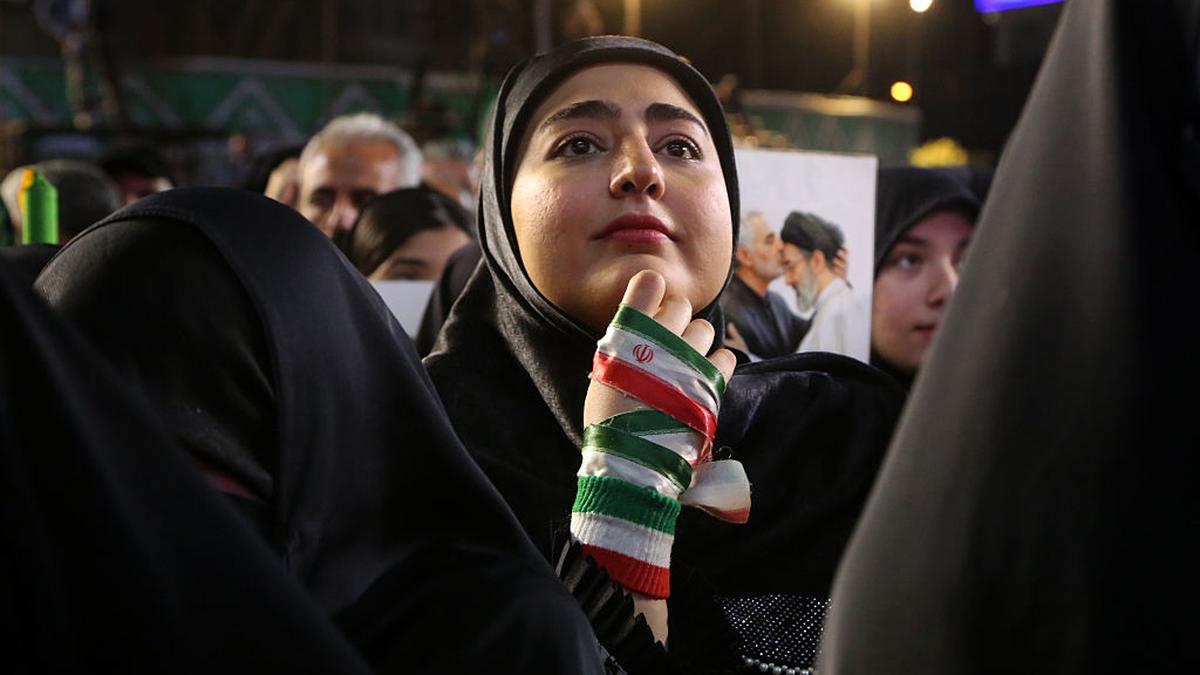
- Domestic Agency: The massive civil unrest movements of recent years, such as the "Woman, Life, Freedom" protests, were not organized by diaspora networks pining for the pre-1979 era. They were sparked by young, local Iranians reacting to immediate, material state oppression.
When Western critics focus entirely on the "long afterlife" of 1979 through diaspora fiction, they commit an act of cultural erasure. They prioritize the emotional luxury of the immigrant over the active, breathing struggle of the local population.
The Flawed Premise of "People Also Ask"
Look at the standard questions readers ask when searching for literature about the Islamic Revolution:
"How did the 1979 revolution change Iranian identity permanently?"
The very premise of the question is broken. It assumes Iranian identity froze in 1979 and simply fractured into two camps: the religious zealots inside and the secular victims outside.
The reality is fluid, messy, and defies literary tropes. Identity inside Iran has evolved through decades of reform movements, economic isolation, and cultural synthesis. Young Tehranis today are navigating a complex landscape of public compliance and private defiance. They are not sitting in cafes mourning the loss of the 1970s operatic scene; they are mining cryptocurrency, trading underground electronic music, and rewriting societal norms from the inside out.
Diaspora literature often treats Iran as a ghost story. But you cannot understand a living nation if you only talk to its ghosts.
The High Cost of the Exile Narrative Monopolist
There is a distinct economic and cultural privilege inherent in the exile narrative that Western reviewers refuse to acknowledge. To write a sweeping multi-generational novel about the psychological weight of fleeing a country requires safety, citizenship in a Western democracy, and access to the global publishing apparatus.
The result? The West’s entire understanding of Iranian sentiment is mediated through an elite class that left decades ago.
I have seen policy analysts, think tanks, and cultural institutions base their entire approach to Middle Eastern diplomacy on this romanticized, literary version of Iranian opposition. It fails every single time. It fails because it miscalculates the resilience, the cynicism, and the actual desires of the people on the ground.
| Narrative Focus | Diaspora Literature (The Bazyar Model) | The On-the-Ground Reality in Iran |
|---|---|---|
| Primary Conflict | Identity crisis, displacement, generational guilt | Economic survival, systemic corruption, immediate state overreach |
| Temporal Orientation | Past-facing (obsessed with 1979 and its echoes) | Present/Future-facing (navigating sanctions and tech workarounds) |
| Target Audience | Sympathetic Western readers and cultural critics | Local networks, underground civil society |
| Geopolitical Utility | High emotional resonance, low structural accuracy | Low emotional sentimentality, high operational urgency |
Admitting this truth has a downside. It means acknowledging that reading a critically acclaimed novel about Tehran does not mean you understand Tehran. It means accepting that your empathy for the exiled family does nothing to assist the underground labor union organizer in Khuzestan. It strips Western readers of their unearned sense of global awareness.
Stop Reading for Comfort, Start Looking at the Friction
If you want to actually comprehend the legacy of the Islamic Revolution, you must stop consuming literature that treats history as a tragic, poetic heirloom. History is a blunt instrument.
The nights are not quiet in Tehran. They are loud, chaotic, and filled with the friction of a population trying to tear its way out of both state authoritarianism and Western economic strangulation. The true story of Iran isn't found in the melancholic reflections of children raised in Frankfurt or Los Angeles. It is found in the unapologetic, immediate survival strategies of those who never left.
Ditch the generational trauma industry. Look at the data, look at the underground economy, and look at the actual mechanics of domestic resistance. Anything less is just sentimental voyeurism.