Meningitis B is a terrifying prospect for any parent. It moves fast, often looks like a common flu, and can turn fatal in less than 24 hours. For years, the UK has led the way with the MenB vaccine, but the eligibility criteria felt like a roll of the dice for older kids. That's changing. With cases finally falling and the program expanding to reach more school children, we’re seeing a shift in how we protect the most vulnerable age groups.
The data is clear. Since the introduction of the Bexsero vaccine into the infant schedule in 2015, cases in babies have plummeted. But bacteria don't just disappear because we’ve protected one demographic. Teenagers and young school-age children remain high-risk carriers and victims. Expanding the rollout isn't just about individual protection. It's about breaking the chain of transmission in classrooms and dorms where this disease thrives.
The reality of Meningitis B today
We used to see thousands of cases of invasive meningococcal disease every year. It was a constant shadow over childhood. Now, thanks to aggressive immunization, those numbers are a fraction of what they were in the 1990s. According to the UK Health Security Agency (UKHSA), the impact of the MenB vaccine has been one of the most successful public health interventions in recent memory.
But don't let the falling numbers fool you into complacency. Meningitis B still accounts for the majority of bacterial meningitis cases in the UK. While the "big" headlines often focus on the MenACWY jab given to teenagers, MenB remains a distinct and dangerous threat. The bacteria live in the back of the throat and nose. Most people carry it without getting sick. Then, for reasons we still don't fully grasp, it breaks through the defenses of a healthy child and attacks the lining of the brain or the bloodstream.
Why the expansion to school children matters now
For a long time, the argument against a wider rollout was based on cost-effectiveness. Vaccines are expensive. The NHS has to balance the books. However, the long-term "cost" of a single case of Meningitis B is astronomical. We aren't just talking about hospital stays. We’re talking about survivors who live with limb amputations, profound hearing loss, and brain damage.
By offering the vaccine to more school-age groups, the government is finally acknowledging that the "infant-only" approach left a gap. School children are social. They share drinks, they sit close together, and they're the primary drivers of community spread. When you immunize a broader swath of this population, you create a shield. You're not just protecting the kid who got the shot. You're protecting the immunocompromised classmate and the baby sibling at home.
Spotting the signs when the vaccine isn't enough
No vaccine is 100% effective. Even as we celebrate more kids getting the jab, you have to stay sharp. The classic "glass test" for a non-blanching rash is what everyone knows, but that rash is often a late-stage symptom. If you wait for the rash, you might be waiting too long.
Look for the subtle stuff first. Cold hands and feet combined with a high fever is a massive red flag. Extreme muscle pain—the kind where a child doesn't want to be touched or moved—is another. Many parents describe a "gut feeling" that something is fundamentally wrong. Trust that feeling. Doctors in A&E would much rather send you home with a paranoid-parent-of-the-year award than have you show up four hours too late.
Dealing with the skeptics and the science
You'll always hear someone say, "Cases are falling anyway, why do we need more vaccines?" This is the paradox of prevention. When a vaccine works, it makes the disease look like it was never a big deal. But cases are falling because of the vaccine, not by some stroke of luck.
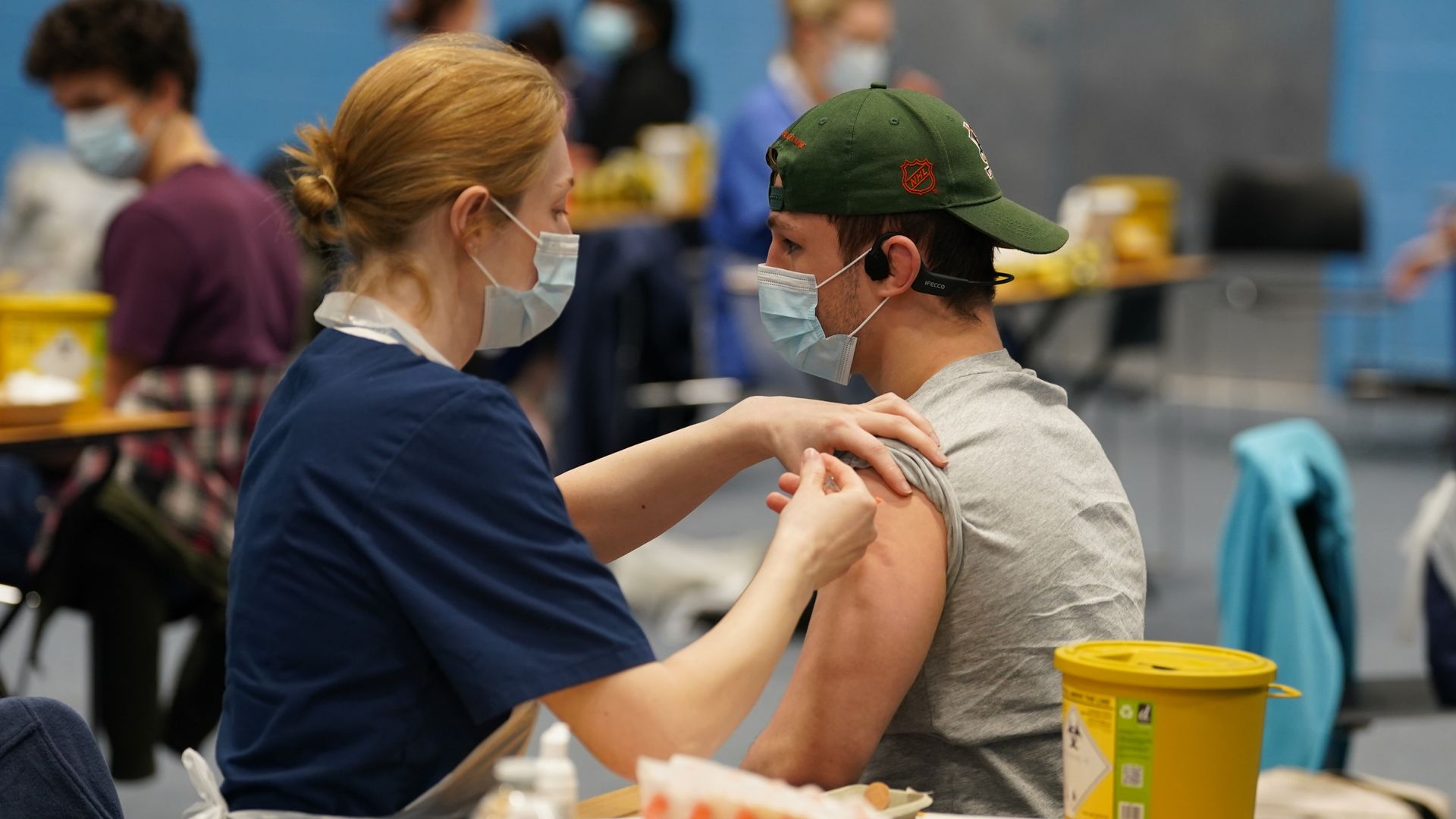
The MenB vaccine (Bexsero) uses a relatively new technology compared to the old-school shots from forty years ago. It targets proteins on the surface of the bacteria. It’s been put through the ringer in terms of safety trials. In millions of doses administered globally, the most common side effect is a fever—which is why doctors recommend giving liquid paracetamol alongside the infant doses. For school-age kids, it’s usually just a sore arm and a bit of a headache. A small price to pay to avoid a life-altering infection.
The gap in the current system
Even with the expansion, there's a segment of the population that falls through the cracks. If your child was born just outside the original 2015 cutoff, they might not have been eligible for the free NHS jab. This created a "lost generation" of kids who are unprotected unless their parents paid hundreds of pounds privately.
This new expansion starts to bridge that gap. It’s a move toward a more inclusive health strategy. It recognizes that teen years are a peak time for meningococcal carriage. If we want to eradicate this, we have to target the people who carry it the most.
What you need to do next
Don't wait for a letter to arrive in the mail. Health records can be messy, and sometimes people get missed. If your child is in school and you aren't sure of their MenB status, check their "Red Book" or call your GP.
- Verify the records. Confirm whether your child received the MenB (Bexsero) vaccine or just the MenACWY. They are different.
- If they missed out because of their age, ask about the new eligibility rules. The criteria are broadening, and your child might now qualify for a catch-up dose.
- Educate your kids. Teenagers need to know that "meningitis" isn't just a baby disease. They need to know the symptoms—stiff neck, light sensitivity, and confusion.
The drop in cases is a victory, but it's not the end of the war. We have the technology to make Meningitis B a thing of the past. Expanding the vaccine to more school children is the most logical step we’ve taken in a decade. Keep the pressure on your local health providers to ensure the rollout happens fast.