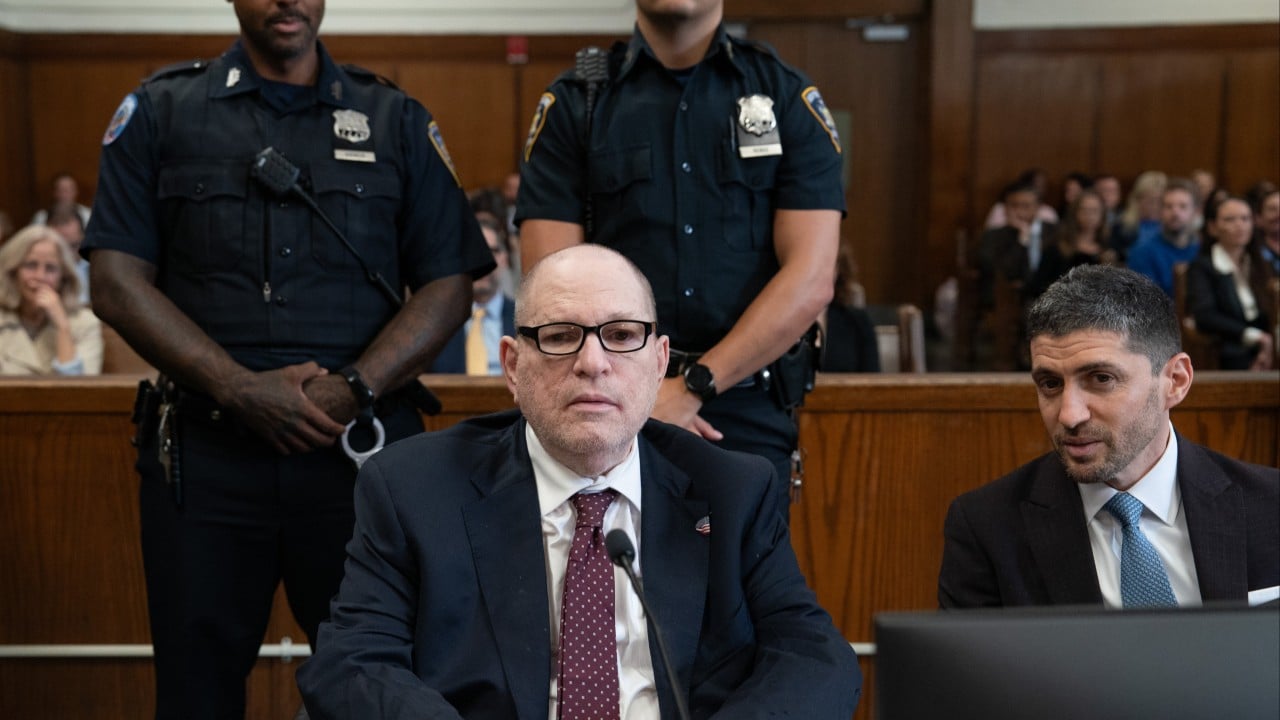
Harvey Weinstein received a 16-year sentence in Los Angeles, adding to his previous New York conviction of 15 years for a 2006 sex crime, effectively sealing a lifetime behind bars for a man who once dictated the cultural currency of Hollywood. The numbers matter less than the architecture of silence that allowed a predatory business model to operate in plain sight for decades. Years after investigative reports shattered the studio gates, the legal system continues to process the wreckage. Yet the deeper story is not merely the punishment of a disgraced mogul. The trial exposed how corporate governance, complicit legal teams, and a transactional media ecosystem built an impenetrable fortress around powerful men.
For decades, the mechanics of protection functioned with brutal efficiency. Non-disclosure agreements served as corporate muzzles, turning potential whistleblowers into silent participants through structured financial settlements. Talent agencies functioned less as advocates for artists and more as intelligence agencies, screening incoming talent and steering vulnerable individuals away from dangerous rooms while maintaining plausible deniability. Industry executives traded access and prestige for complicity, looking past open secrets because the box office receipts justified the collateral damage. In similar updates, we also covered: Why Blaming Bad Driving For Afghanistan Highway Carnage Is A Lazy Lie.
The courtroom drama in New York and subsequent trials across the country revealed a systemic failure within the institutions tasked with safeguarding labor rights. Unions, guild representatives, and human resources departments routinely prioritized institutional protection over the safety of workers. When survivors attempted to report misconduct, internal mechanisms were weaponized to isolate them, quietly burying complaints under the weight of threatened litigation. The ultimate reckoning required bypassing these compromised structures entirely, relying instead on investigative journalism and criminal prosecutors willing to dismantle decades of accumulated protection.
Reform efforts since the initial revelations have transformed contract negotiations and studio protocols. Mandatory harassment training, compliance officers on set, and restrictions on forced arbitration have altered the legal landscape. Yet corporate culture resists bureaucratic mandates. Power imbalances persist, maintained by massive compensation packages and the concentration of greenlight authority among a tiny circle of executives. True accountability demands more than updated employee handbooks or court-ordered sentences. It requires dismantling the financial architectures that treat human dignity as a negotiable line item in a production budget. The New York Times has provided coverage on this critical subject in extensive detail.
The legal chapter closes with a cell door locking, but the industry that manufactured and protected Harvey Weinstein remains largely intact, adjusting its defense mechanisms for a new era while preserving the underlying structures of power.