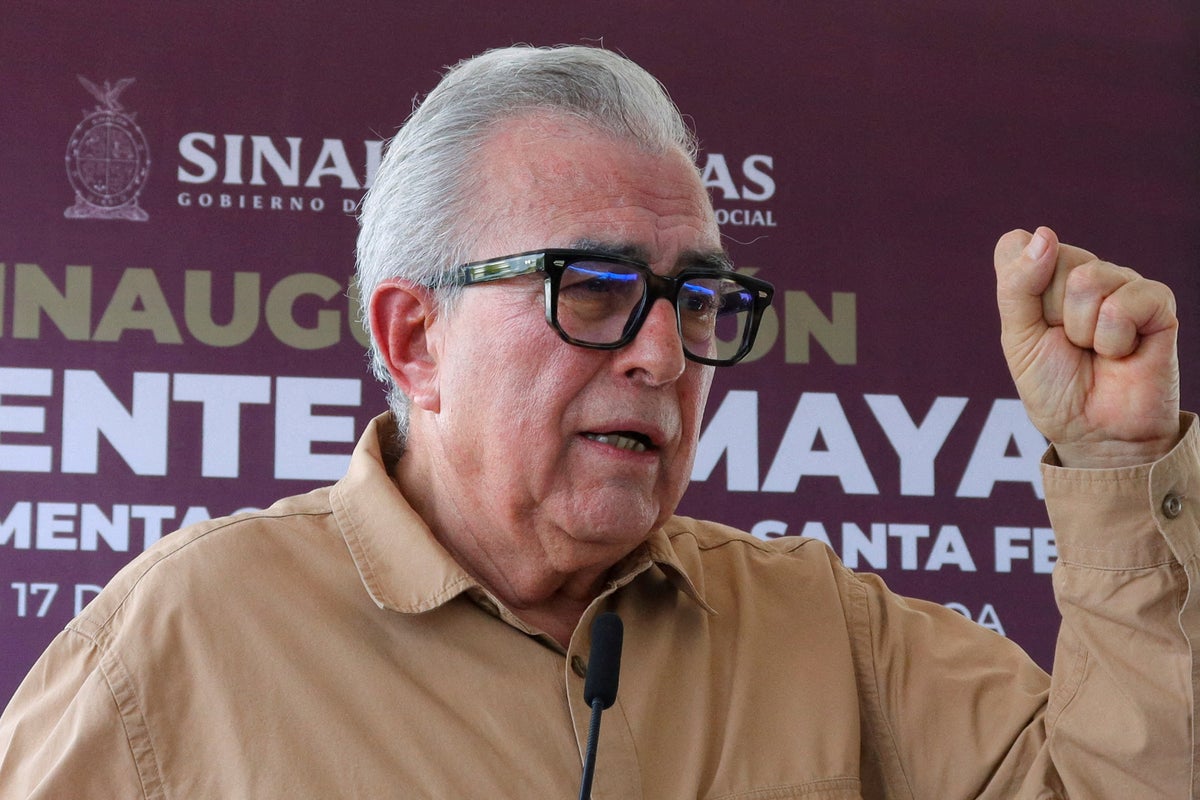
The resignation of Rubén Rocha Moya as Governor of Sinaloa was never just a matter of if, but a matter of when the weight of the evidence became heavier than his political utility. For months, the state of Sinaloa has functioned as a pressure cooker, caught between the internal fractures of the world's most powerful drug syndicate and a federal government in Mexico City that finally found the political cost of association too high to bear. This isn't merely a localized political exit. It is the collapse of a governance model that relied on a fragile, unwritten pact between the state house and the hills of Badiraguato.
When the United States Department of Justice unsealed allegations linking Rocha Moya to the upper echelons of the Sinaloa Cartel—specifically the faction led by Ismael "El Mayo" Zambada—the clock started ticking. The American indictment didn't just suggest corruption; it detailed a specific, high-stakes betrayal involving the luring of Zambada into a trap under the guise of a meeting with the Governor himself. This shattered the most basic rule of survival in Culiacán: predictable neutrality. By appearing to side with one faction of the cartel against another, Rocha Moya didn't just lose his credibility; he lost his protection.
The Myth of the Neutral Governor
In the complex ecosystem of Northern Mexico, governors often operate under a doctrine of "managed peace." The idea is simple: as long as the violence remains below a certain threshold and the local economy—much of it fueled by illicit capital—remains stable, the federal government keeps its distance. Rocha Moya, a former academic who positioned himself as a reformer, was supposed to be different. Instead, his tenure became a case study in how deeply the roots of the drug trade have entwined with the legitimate economy.
The Sinaloa Cartel is not a monolith. It is a corporate entity with diverse interests in agriculture, real estate, and shipping. For a governor to govern, he must navigate these interests. However, the line between navigation and participation is where Rocha Moya tripped. The allegations suggest that the Governor’s office wasn't just aware of the cartel's activities but was actively used as a venue for resolving internal disputes between the "Los Chapitos" faction and the "Zambada" loyalists.
When "El Mayo" was flown to U.S. soil against his will, the narrative provided by his legal team was damning. They claimed he was told he was going to a meeting with the Governor to mediate a dispute between local politicians. Rocha Moya’s initial defense—that he was in Los Angeles on vacation at the time—did little to quell the storm. In the world of intelligence and high-level crime, being out of town during a hit is the oldest alibi in the book. It suggests a lack of presence, but not a lack of involvement.
Why the U.S. Intervention Changed the Game
Usually, Mexico protects its governors. Sovereignty is a powerful shield in Latin American politics, often used to deflect DEA investigations as "imperialist meddling." But the arrest of Zambada changed the calculus. The U.S. didn't just ask for cooperation; they presented a fait accompli. By securing the most wanted man in Mexico without firing a shot on Mexican soil, the U.S. humiliated the Mexican security apparatus and rendered Rocha Moya an instant liability.
The pressure from Washington was relentless. The Treasury Department’s Office of Foreign Assets Control (OFAC) began looking at the financial networks supporting the Sinaloa state government. This is where the real power lies. A governor can survive a scandal, but he cannot survive the freezing of the state’s ability to conduct business or the blacklisting of his primary donors.
The Financial Chokehold
The Sinaloa economy is built on a foundation of "white-washing." Thousands of businesses, from high-end car dealerships to vast tomato exports, rely on access to the global banking system. When the U.S. links a governor to a cartel, every one of those businesses faces increased scrutiny. The local business elite, who may have tolerated the cartel’s presence for decades, suddenly found their own wealth at risk. They stopped being Rocha Moya's allies and started looking for his replacement.
The Internal Cartel War and State Paralysis
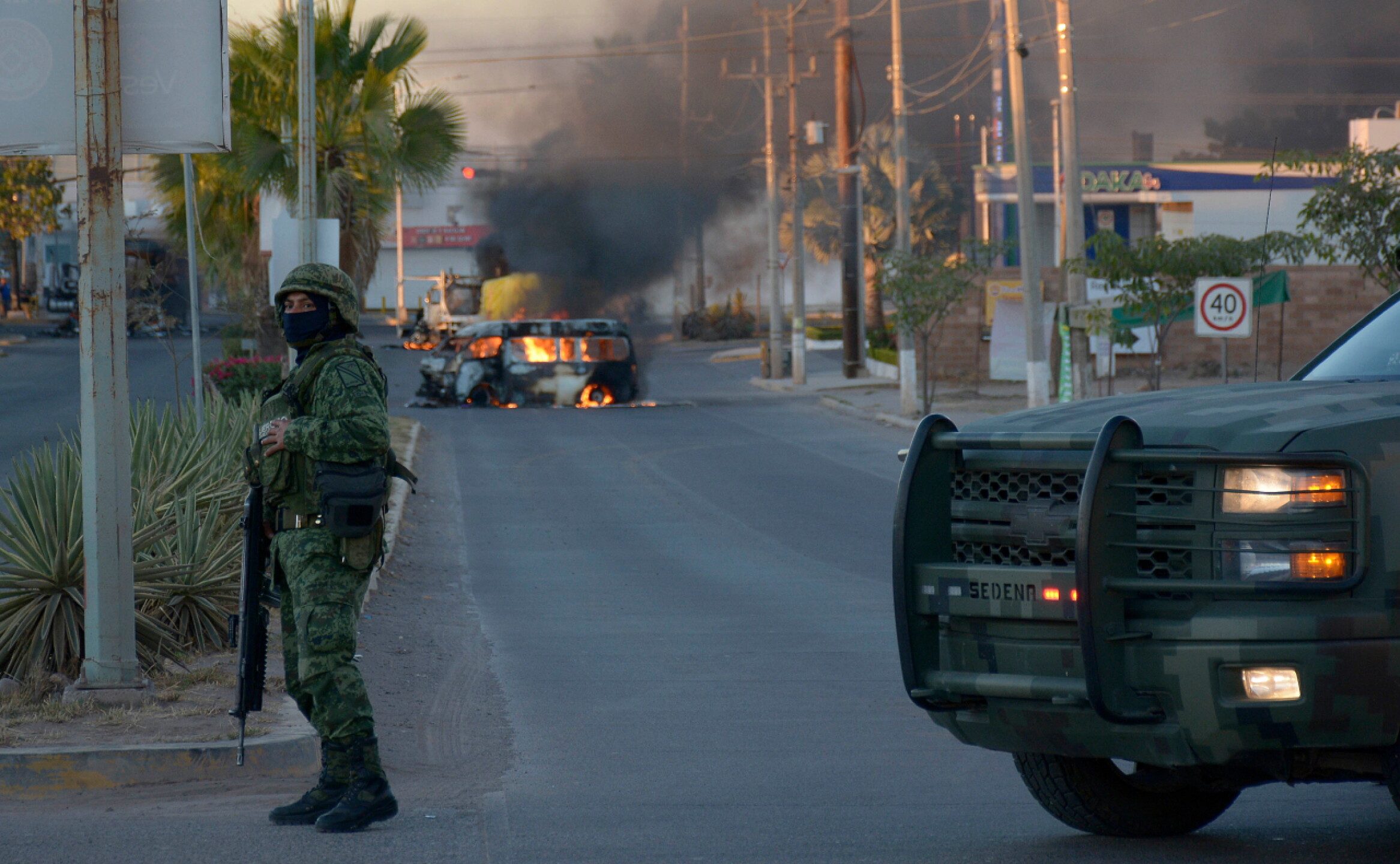
Culiacán has spent the last several weeks in a state of semi-permanent lockdown. Schools are closed, businesses shutter early, and the streets belong to the "monstruos"—the improvised armored vehicles used by cartel gunmen. This isn't the usual "narco-war." It is an existential struggle for the future of the Sinaloa Cartel.
The resignation of the Governor is a direct symptom of this violence. When the state can no longer provide even the illusion of order, the governor becomes a lightning rod. Every burned-out bus on the highway was a visual reminder of Rocha Moya's impotence. He could not protect the citizens, and more importantly for his political survival, he could no longer protect the interests of the federal government’s ruling party.
The Breakdown of Information
One of the most overlooked factors in this resignation is the total breakdown of the state's intelligence services. Investigative reports indicate that local police forces were effectively split down the middle, with different units reporting to different cartel factions. Rocha Moya was essentially a general with no army, presiding over a police force that functioned as a private security firm for the highest bidder.
This fragmentation meant that the Governor was no longer receiving accurate information about his own state. He was isolated in the government palace, relying on filtered reports while the real decisions were being made in the mountains and in safe houses across the city. His resignation is less a departure and more an admission that the seat of power had already moved elsewhere.
The Precedent for Future Governance
What happens in Sinaloa never stays in Sinaloa. The fall of Rocha Moya sends a chilling message to every other governor in Mexico's "hot zones." The old rules—where you could balance between the cartels and the federal government—are dead. The U.S. has shown it is willing to bypass Mexican sovereignty to get its targets, and it is willing to name sitting politicians as co-conspirators.
This marks a shift toward a more aggressive, evidence-based approach from Washington. They are no longer content with catching the "capos"; they are going after the infrastructure that allows the capos to exist. That infrastructure is political.
The Vacuum Left Behind
The immediate concern is who fills the void. In Mexican politics, a resignation under these circumstances often leads to a period of "interim" governance that is even more volatile than what preceded it. The various factions of the cartel will now scramble to install their own people in the lower levels of the state bureaucracy before the next election cycle.
The resignation also leaves the federal government in a precarious position. If they move too aggressively to clean up Sinaloa, they risk a total economic collapse in the region. If they do nothing, they appear complicit. The appointment of a successor will be the first real indicator of whether Mexico City is serious about decoupling the state from the syndicate, or if they are simply looking for a more discreet manager of the status quo.
The Real Cost of the Sinaloa Pact
For the people of Culiacán, the Governor's exit provides little relief. The underlying issues remain: a youth population with few legal opportunities, an economy addicted to illicit cash, and a security force that is fundamentally compromised. Rocha Moya was a symptom of a systemic disease, not the cause.
The "Sinaloa Sovereignty"—the idea that the state was a special entity that could handle its own business without outside interference—is over. The state is now a battleground for international legal battles and internal cartel purges. The business of government in this region has been laid bare for what it is: a high-stakes negotiation with criminals where the price of failure is total disgrace.
The investigation into Rocha Moya’s ties will likely continue in the U.S. courts, even as he retreats into the shadows of Mexican political life. His resignation doesn't close the case; it simply moves it to a new venue. The documents, the testimony from flipped cartel members, and the financial trails remain. For the first time in decades, a Mexican governor has found that the border is no longer a barrier to accountability.
The lesson for the next occupant of the Governor's Palace is clear. You can't sit at the table with the devil and expect to leave when you're full. The bill always comes due, and in Sinaloa, it is usually paid in blood and reputation. The streets of Culiacán remain quiet tonight, but it is the silence of a city waiting for the next shoe to drop.