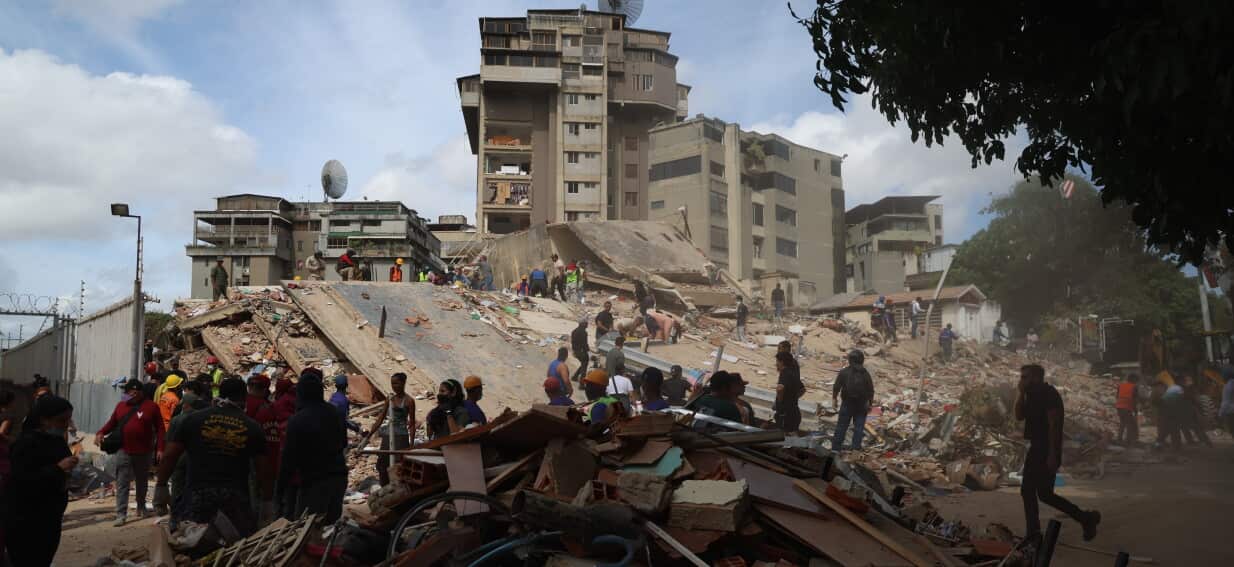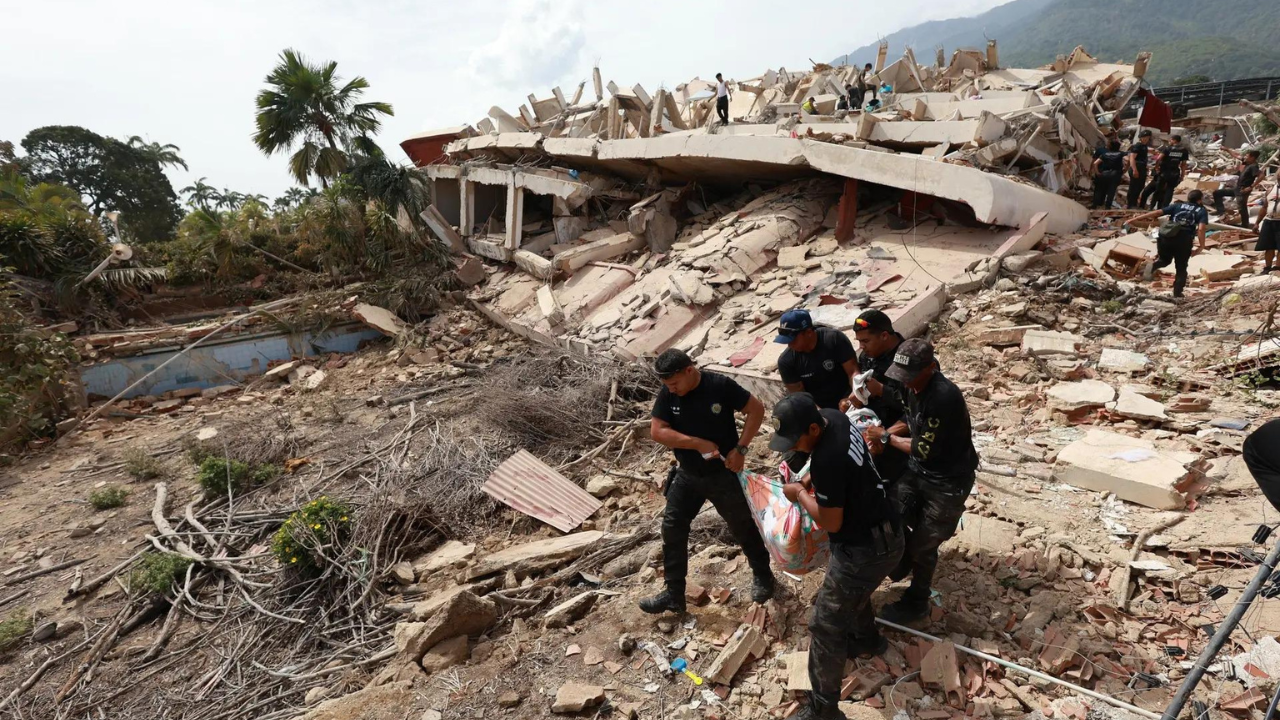
A devastating earthquake in Venezuela has left at least 235 people dead and thousands more feared trapped beneath the rubble of collapsed buildings. While early reports focus entirely on the raw seismic data and immediate rescue chaos, the true scope of this tragedy stems from a systematic collapse of urban infrastructure and emergency preparedness. Rescue teams are currently scrambling through unstable debris in densely populated districts, but their efforts are severely hampered by a crippled domestic grid and a chronic lack of heavy machinery. This is not just a natural disaster. It is an industrial and regulatory failure decades in the making.
The sudden tremor ripped through built-up areas that were never engineered to withstand significant tectonic stress. Beneath the surface of the immediate humanitarian crisis lies a grim reality of lax enforcement, sub-standard building materials, and a complete disregard for seismic zoning laws that experts have warned about for years.
The Anatomy of an Avoidable Collapse
Earthquakes are inevitable along the Caribbean-South American plate boundary, but the scale of the destruction seen today was entirely preventable. Concrete needs steel reinforcement to survive lateral forces. When a country suffers from prolonged economic stagnation, builders skimp on the most critical components.
Substandard Materials and Structural Frauds
Walk through any hard-hit barrio or rapidly constructed apartment complex in the affected zones, and the failure mechanics become obvious. Engineers call it pancake filtering. One floor collapses directly onto the next because the vertical support columns lack the necessary stirrups and high-tensile rebar.
- Brittle Concrete: Mixing cement with unwashed sea sand or excessive water weakens the final cure, leaving structures highly vulnerable to shear stress.
- Corrupted Supply Chains: Decades of black-market material substitution meant that even state-funded housing projects used steel that failed basic elasticity tests.
- Soft-Story Failures: Multi-story buildings featuring open ground floors for parking or retail lack the lateral rigidity required to prevent the upper floors from swaying off their axes and crashing downward.
This structural deficit explains why newer builds crumbled into dust while older, colonial-era structures occasionally remained standing. The older buildings relied on thick, load-bearing masonry that, while heavy, possessed a uniformity completely absent in modern, cost-cut high-rises.
A Crippled Logistics Network Stalls the Rescue
Time is the most unforgiving variable in urban search and rescue operations. The first 72 hours determine whether trapped citizens survive or suffocate. Unfortunately, the local response framework was broken long before the ground moved.
Grid Failures and Dark Zones
Modern rescue operations rely heavily on acoustic listening devices, thermal imaging, and heavy hydraulic cutters. None of these tools function efficiently without a stable power supply or a steady stream of fuel.
[Seismic Event]
       │
       ▼
[Immediate Grid Collapse] ──► [Loss of Cellular Towers] ──► [Blind Rescue Operations]
       │
       ▼
[Fuel Distribution Halts] ──► [Heavy Machinery Immobilized]
The localized power grid failed within seconds of the initial shockwave. This blacked out communication networks and left emergency dispatchers completely blind. Local fire departments found themselves relying on civilian bucket brigades and hand tools to clear tons of reinforced concrete. Generators brought to the scene quickly ran dry because regional fuel depots could not pump diesel without electricity.
The Geography of Exclusion
The hardest-hit communities are built on steep, unstable hillsides surrounding major urban centers. These informal settlements lack proper access roads.
Heavy cranes and excavators cannot navigate the narrow, winding alleys that define these neighborhoods. Rescue workers must carry heavy gear up thousands of concrete steps on foot, burning through precious hours just to reach a single collapsed dwelling. The geography itself acts as a barrier to survival, punishing the poorest segments of the population who had no choice but to build on marginal land.
The Regulatory Blind Spot
To understand how the death toll reached hundreds so quickly, one must examine the state entities tasked with enforcing safety codes. The regulations exist on paper. Venezuela possesses a comprehensive set of seismic construction standards that look pristine in a government archive.
The breakdown occurs at the municipal level. For over twenty years, building inspections have been treated as bureaucratic formalities rather than life-saving audits. Inspectors frequently overlooked critical design flaws in exchange for expedited processing fees or political compliance.
Furthermore, geological surveys that explicitly marked certain hillsides as high-risk landslide zones were routinely ignored to accommodate rapid urban expansion. When the earthquake struck, it did not just shake the buildings; it liquefied the uncompacted soil beneath them, causing entire hillsides to slide into the valleys below.
International Aid Faces a Bureaucratic Wall
Foreign search and rescue teams with specialized canine units and structural radar are ready to deploy from neighboring countries. Yet, history shows that international aid often gets caught in geopolitical gridlock.
Border control points and customs offices in the region are notorious for holding up critical supplies over paperwork discrepancies. Specialist teams cannot simply land at an airport; they require clear entry protocols, security escorts, and immediate access to local fuel reserves. Every hour spent negotiating visas or asset clearance at a tarmac checkpoint translates directly to a rising casualty count under the rubble.
True disaster resilience cannot be imported at the last minute. It must be woven into the fabric of daily governance through continuous infrastructure investment, transparent supply chains, and rigorous engineering oversight. The victims currently trapped in the ruins are paying the ultimate price for an institutional silence that has lasted for generations.