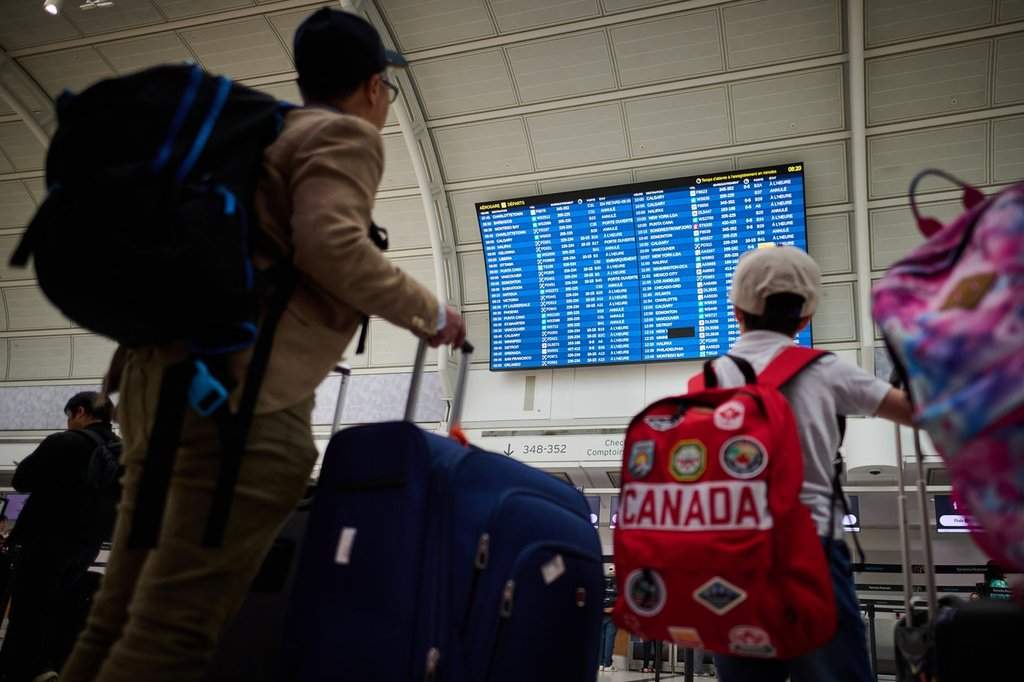
Imagine sitting at your departure gate, passport in hand, waiting for the final boarding call. The sun is baking the tarmac outside. Suddenly, an announcement crackles over the loudspeaker. The airline needs twenty volunteers to step off the plane.
No, the flight is not overbooked. The airplane is simply too heavy to take off in the heat.
This isn't a hypothetical headache. It is already happening. As global temperatures climb, extreme heat is quietly transforming the mechanics of aviation. We are entering an era where some of the world's busiest travel hubs are becoming physically too hot to fly. The primary culprit is not melting engines or sweating pilots. It is physics.
How Extreme Heat Quietly Grounds Modern Aircraft
When the thermometer spikes, air molecules scatter. They expand and drift apart, which makes the air thin.
To understand why this groundings flights, you have to look at how a plane actually flies. An aircraft relies on air density to create lift. As the wings move through the air, they push against these molecules to force the plane upward. When the air is hot and thin, there are fewer molecules to push against.
A standard rule of thumb in aviation is that a jet loses roughly one percent of its lift for every three degrees Celsius (about 5.4 degrees Fahrenheit) of temperature rise.
At the same time, aircraft engines need oxygen to produce thrust. Thin, hot air means less oxygen entering the engines, which drastically reduces their performance. To compensate for this double blow of less lift and less thrust, a plane must do one of two things to get airborne: run down a much longer runway to build up speed, or get lighter.
Since you cannot magically stretch a concrete runway on a hot afternoon, airlines have to shed weight. They start by dumping cargo and extra fuel. If that still isn't enough, they have to start bumping passengers.
A study from Columbia University projects that by 2050, weight restrictions on a standard Boeing 737 could surge by 50% to 200% at vulnerable airports during peak summer months.
The Double Whammy of High Elevation and Short Runways
The heat problem gets significantly worse when you combine high temperatures with high altitudes or short runways.
In geography and aviation, this is known as "density altitude." An airport located a mile high already has thin air. Bake that airport in 100-degree Fahrenheit heat, and the aircraft performs as if it is taking off from an elevation of 8,000 feet or higher.
Consider these specific pain points where heat limits takeoffs:
- Phoenix Sky Harbor: A classic example. In 2017, temperatures hit 120 degrees Fahrenheit, which surpassed the maximum operating limits of several regional jets, grounding flights entirely.
- Denver International: Sitting at over 5,000 feet, summer heat waves regularly force weight limits on heavily loaded long-haul flights.
- New York LaGuardia: It sits at sea level, but its runways are incredibly short. On a boiling July afternoon, planes simply do not have enough runway length to build up the ground speed needed for a heavy takeoff.
- Salt Lake City International: High elevation combined with desert heat routinely forces airlines to reroute or delay flights until the sun goes down.
The issue is not limited to the United States. Massive global transit hubs like Dubai International and Doha's Hamad International are facing severe restrictions. In Europe, coastal and mountainous airports from Barcelona to Zurich are seeing their historical runway margins shrink under mid-century climate projections.
Rising Sea Levels are Ready to Flood the Tarmac
While extreme heat makes taking off difficult, rising sea levels pose a different threat to airport infrastructure.
Many of the world's premier airports were built right on the water. It made sense at the time because coastal flats offered clear flight paths and empty land away from dense city centers. Now, those locations are a massive liability.
An assessment by the University of Oxford's Smith School indicates that dozens of the world's busiest airports are highly vulnerable to storm surges and sea-level rise. Major hubs like San Francisco International, New York's JFK, and Amsterdam Schiphol sit just feet above current sea levels.
Even a minor storm surge can overwhelm drainage systems, bringing billions of liters of water onto critical runways.
How to Keep Your Travel Plans from Melting
If you want to avoid getting stranded by extreme weather, you have to change how you book your travel. Relying on luck is no longer a viable strategy during peak summer travel seasons.
First, fly early. Book the first departure of the morning. Temperatures are at their lowest, meaning the air is at its densest, giving planes maximum lift. You are far less likely to face weight-restriction delays at 7:00 AM than at 4:00 PM.
Second, pick the right plane. Whenever possible, choose larger widebody aircraft over small regional jets. Larger planes have much more powerful engines and aerodynamic efficiencies, making them far better at handling high density altitudes. Smaller commuter jets are always the first to be restricted or grounded when the heat climbs.
Third, pack light and use carry-on bags only. If an airline has to slash weight at the last second, checked baggage is often the first thing they pull off the plane to save pounds. If your bags are under your seat or in the overhead bin, you won't arrive at your destination empty-handed while your luggage sits on a hot tarmac thousands of miles away.
Finally, pay attention to the runways. If you have a choice between connecting through an airport with massive, sprawling runways or one with tight, restricted corridors, choose the larger footprint. Those extra thousands of feet of asphalt are the ultimate safety net when the air gets thin.
To see this issue in action, watch how extreme heat impacts holiday travel crowds to understand how rising summer temperatures are already stretching airport logistics and delaying travelers during peak seasons.