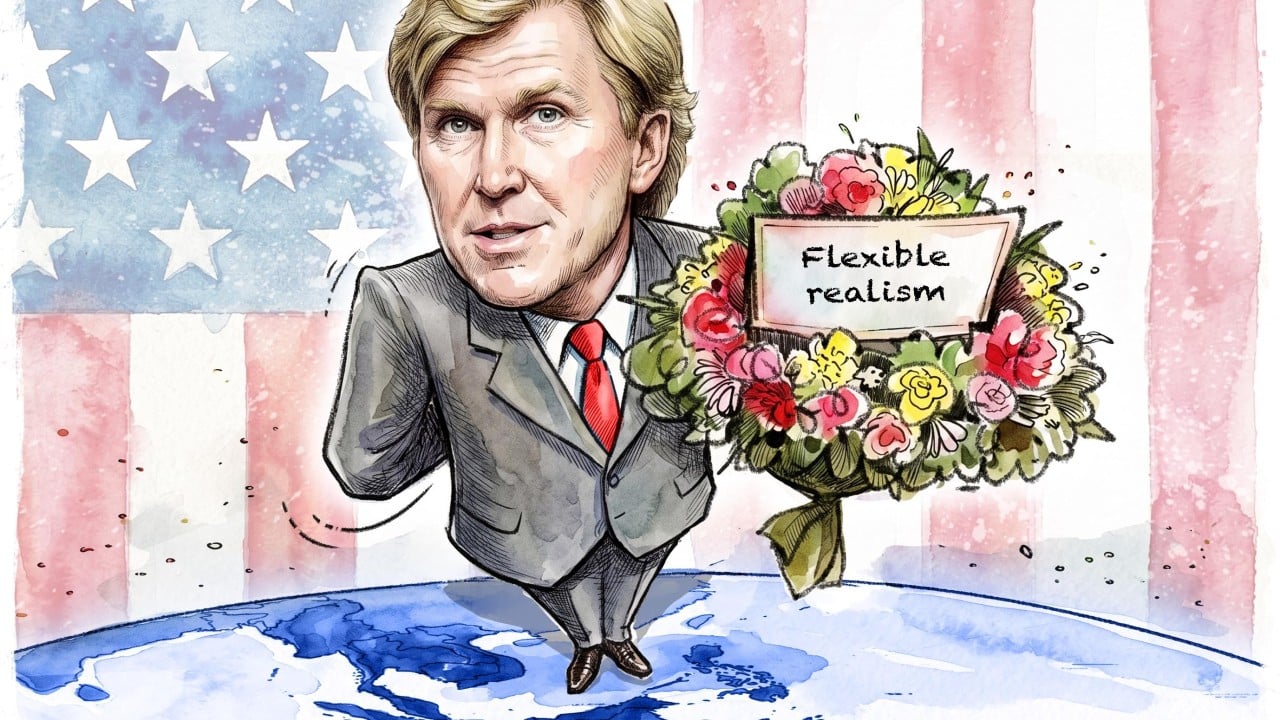
Mark Carney recently stood up to defend four centuries of nomenclature, swatting down a proposal by Donald Trump to rename Lake Ontario. The headlines celebrated the defense of heritage. They lauded the preservation of indigenous roots, the protection of colonial cartography, and the stubborn resistance of Canadian identity against casual American bravado.
Everyone missed the point.
The lazy consensus says this is a fight about respect for the past. It is not. It is a symptom of a cultural panic that treats geography like a museum exhibit rather than a living record of human conquest and theft. I have spent two decades watching politicians fight over place names while ignoring the actual rot underneath the soil. We clutch our pearls over a historical title while the body of water itself chokes on industrial runoff, and we pretend that a four-hundred-year-old tag makes us better stewards.
This is historical LARPing at its finest.
The Myth of the Sacred Moniker
Let us look at the actual provenance. The name Ontario derives from a Wyandot word meaning great lake or beautiful water. European colonizers took that word, flattened it, slapped it on a map, and spent centuries extracting wealth from its shores while pushing out the people who gave it its designation.
When a modern politician defends that name against a flashy American real estate rebrand, they are not defending indigenous sovereignty. They are defending the moment colonization got comfortable. They like the four-hundred-year mark because it feels ancient to a young country, yet it conveniently starts after the initial erasure of thousands of years of oral history that came before the cartographers arrived with their quills.
If we cared about the history, we would acknowledge that every single name on that map is a monument to dispossession. Instead, we turn nomenclature into a proxy war for national ego. Carney played the nationalist card because it is cheap, easy, and requires zero policy changes.
Imagine a scenario where we dropped the performative defense of maps and actually treated the basin with the severity its health demands. You would see immediate bans on chemical dumping, aggressive rebuilding of wetlands, and strict accountability for the municipalities treating the watershed like a municipal toilet. But that requires hard work. Changing a sign or issuing a sharp press release about historical integrity? That takes thirty seconds and gets you applause on television.
The Geography of Convenience
We suffer from a profound lack of intellectual rigor when it comes to how we label our environment. We treat geographic features as static monuments rather than dynamic systems shaped by power.
Trump throws out a random rename because disruption is his default branding strategy. Carney pushes back because defense of the status quo is the Canadian political religion. Both approaches treat the public like an audience for a reality television feud. The lake does not care what you call it. The zebra mussels do not check the atlas before colonizing the filtration plants. The microplastics floating past Toronto do not care about your royal charter or your indigenous etymology.
When we argue about names, we participate in a massive displacement activity. We focus on semantics because ethics are too expensive.
Look at how we handle urban development along the waterfront. For decades, cities wrapped their industrial edges in luxury condos while cutting off public access to the shoreline. We kept the historic names intact on the blueprints while privatizing the view. That is the dirty secret of heritage preservation in North America. We use words as a shield to protect capital accumulation.
The Real Cost of Semantic Nostalgia
The defenders of the four-hundred-year timeline want you to believe that continuity equals stability. It does not. Continuity often just means we have spent four centuries making the same mistakes with better machinery.
I have sat in municipal planning meetings where millions of dollars were spent debating whether to restore a historic name to a park while the city council quietly approved a zoning variance that destroyed a protected watershed two miles away. The priorities are inverted. We trade substance for signage.
If Carney wanted to win this fight on merits rather than optics, he would tie every historical argument to an ecological obligation. You want to talk about the legacy of the basin? Fine. Let us talk about the legacy of mercury poisoning, agricultural runoff, and urban sprawl that every generation since the seventeenth century has happily passed down to the next.
Heritage without accountability is just decoration.
Stop Protecting the Atlas
The next time a politician gets into a slap fight over what to call a physical feature of the earth, ask yourself what they are trying to distract you from. Usually, it is a regulatory failure, a budget shortfall, or an environmental compromise that benefits a donor class.
We do not need more guardians of the lexicon. We need people willing to tear up the old agreements that let polluters treat our great bodies of water as cheap disposal systems.
Let Trump call it whatever he wants in his head. Let Carney write his sternly worded tweets about the seventeenth century. The water remains the same, drowning slowly under the weight of our collective distraction, while we stand on the shore arguing about the spelling on the sign.
The map is not the territory, and the name is not the lake.
Stop saving the label and start saving the water.