The morning air in central Europe carries a particular crispness in late autumn, the kind that smells of damp earth and woodsmoke, promising winter just over the horizon. Pilgrims do not travel for comfort. They travel for a reckoning of the spirit, a deliberate displacement of the self in search of something older and truer than daily routines.
Twelve pairs of shoes sat neatly packed in luggage compartments that dark night. Twelve lives filled with ordinary routines—bakery lines, grandchildren's laughter, garden plots, evening tea—were temporarily suspended for a singular, sacred purpose: a journey toward grace.
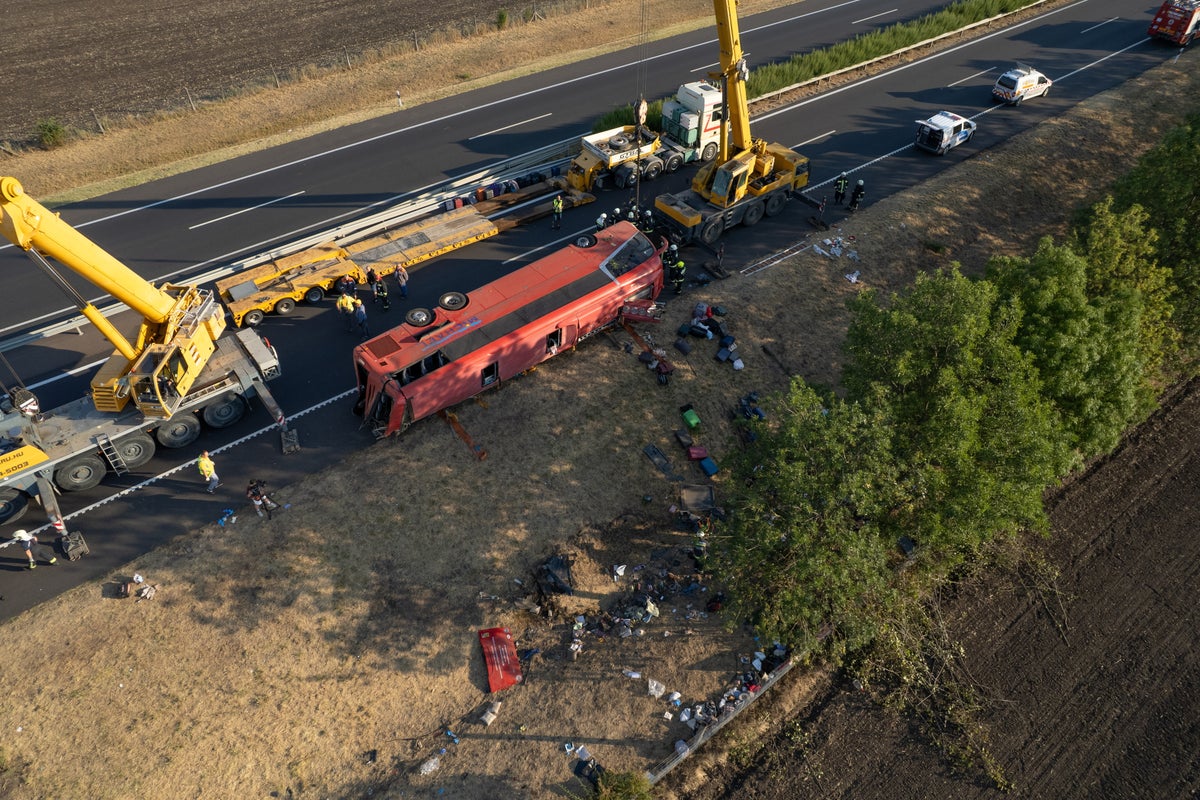
Then came the turn in the road near the Hungarian town of Szabadbattyán.
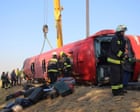
Speed is an abstract concept until it meets physics. On the highway, steel and glass become heavy projectiles, obedient only to momentum and gravity. According to the structural reports and emergency dispatches that followed, the bus carrying Polish pilgrims did not merely experience an accident; it encountered the abrupt, unforgiving boundary where human frailty meets the unyielding weight of a vehicle hurtling through the dark.
Silence.
Then the shattered glass. The smell of scorched rubber and leaking fuel. The sudden, terrifying dark pierced by the strobes of approaching rescue vehicles.
We process such events through numbers first because numbers are shields. Twelve dead. Dozens injured. Statistics create a buffer between our fragile existence and the raw horror of sudden absence. But statistics are ghosts of real people. They are mothers who remembered to turn off the kitchen stove before locking the front door for the last time. They are fathers who carefully checked the oil in their cars before driving to the departure point.
Consider what happens next in the quiet aftermath of a highway disaster.
The international wires hum with updates. Consular officials draft statements. Names are withheld pending notification of next of kin. In Warsaw, a phone rings in an empty hallway, echoing against walls that still hold the warmth of someone who promised to call when they arrived.
Highway accidents involving long-distance buses are mathematically rare, which makes them psychologically devastating. When we board a coach for a long journey, we surrender control entirely. We hand our safety over to a stranger behind the wheel, trusting the machinery, the pavement, and the invisible social contract that keeps heavy transport moving in orderly lines across national borders. We sleep against vibrating windows, lulled by the steady hum of the engine, believing implicitly in the safe arrival.
When that contract breaks, the shockwave shatters communities across borders. Poland woke to mourning flags. Hungary mobilized its emergency infrastructure, with paramedics and local volunteers rushing into the freezing mist to pull survivors from the wreckage. In moments of catastrophic loss, international politics dissolve into raw, universal human grief. A siren sounds the same in every language.
The investigation inevitably turns to causes. Was it fatigue? A mechanical failure? A momentary lapse in judgment on a slick stretch of asphalt? Investigators measure skid marks down to the centimeter, download black-box data, and interview survivors whose memories are fractured by trauma. Every answer is a small piece of a puzzle no one ever wanted to solve.
Yet, answers do not mend broken families. They do not bring back the voices that sang hymns in the back rows of the bus as it rolled out of the terminal hours earlier.
We are creatures who build shrines out of memory. Long after the wreckage is cleared from the Hungarian highway, after the metal is recycled and the asphalt repaved, the ghosts of that journey remain. They linger in the empty seat at the dinner table, in the unread text messages, in the sudden, sharp intake of breath when someone hears the rumble of a large engine shifting gears in the night.
Pilgrims seek sacred spaces at the end of the road. Sometimes, the road itself becomes the final altar.
The bus is gone. The journey, for those twelve souls, reached a destination far different than the one printed on their itineraries. But the quiet devotion that compelled them to leave their homes remains suspended in the autumn air, refusing to vanish, a persistent reminder of how fragile, and how fiercely precious, every single mile truly is.