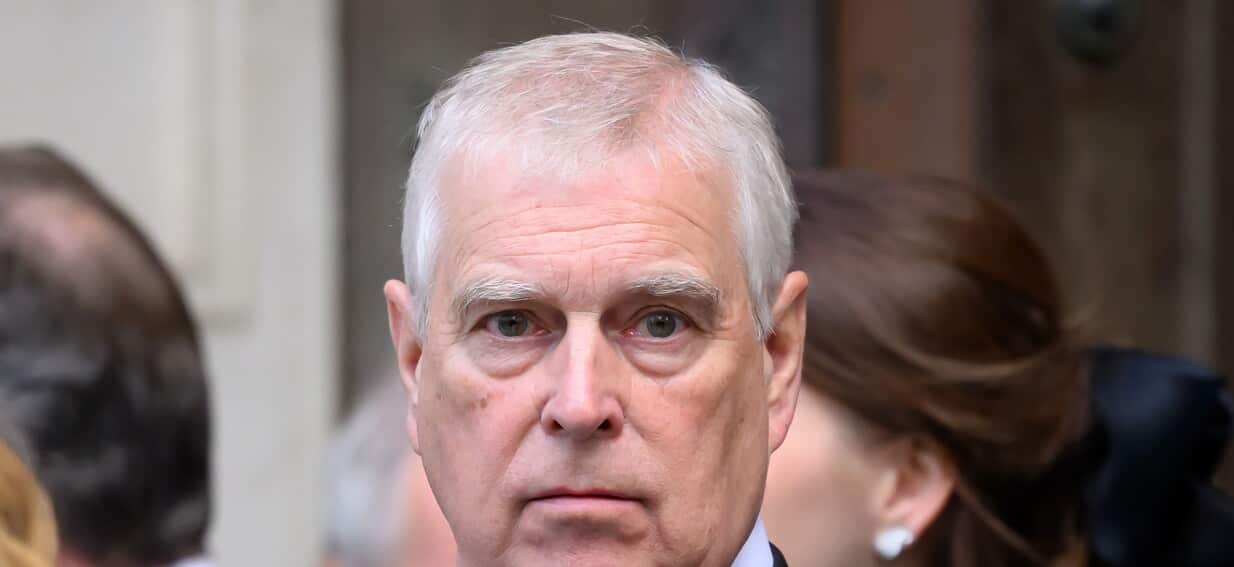
The collective patience of the British Parliament has not just worn thin; it has snapped. What began as a quiet distancing from a disgraced royal has morphed into an open season of verbal evisceration. Across the political spectrum, Members of Parliament are no longer hiding behind the traditional veils of constitutional protocol or "no comment" deferral. They are describing the Duke of York in terms that would normally be reserved for the most loathed political adversaries. This is not a sudden outburst of republicanism, but rather a visceral reaction to a man whom many in the halls of power now view as a unique threat to the stability of the monarchy.
The core of the anger stems from a perceived cocktail of arrogance and a refusal to acknowledge the reality of his standing. While the Palace has stripped Andrew of his titles and official duties, the man himself remains an uncomfortable fixture in the background, a ghost haunting the corridors of Windsor. For MPs, he represents the worst of the old guard—a figure who demands the perks of the job while refusing to accept the consequences of his associations. The rhetoric in Westminster has shifted from concern over his past links to Jeffrey Epstein to an active, aggressive campaign to ensure he is permanently erased from public life.
The Death of Deference in the Commons
For decades, there was an unwritten rule in the House of Commons. You did not attack the royals directly. You might question the Sovereign Grant or the cost of a wedding, but personal character assassinations were considered "not done." Prince Andrew has managed to do the impossible by uniting the benches in a shared sense of contempt. This isn't just about the allegations that have followed him for years; it is about the way he has handled the aftermath.
Observers in the lobby note that the language used by MPs in recent weeks—calling him "entitled" and "delusional"—is a direct result of his perceived attempts to lobby for a return to public life. Members of Parliament are sensitive to the public mood, and the public mood is one of profound exhaustion. They see a man who reportedly still believes he has a "route back" to service, a notion that most politicians view as a fantasy.
The anger is also practical. Every time Andrew makes a headline, he sucks the oxygen out of the room for the government and the opposition alike. He becomes a distraction that no one can afford. When an MP stands up to lash out at the Duke, they aren't just expressing a personal opinion; they are signaling to the Palace that the political class will no longer provide a shield for him. The shield is down, and the blades are out.
The Cost of the Windsor Holdout
One of the most significant points of contention within Westminster is the ongoing saga of Royal Lodge. The Duke’s refusal to vacate the 30-room mansion in favor of smaller quarters—specifically Frogmore Cottage—has become a symbol of his perceived arrogance. To an MP representing a constituency struggling with a housing crisis and rising costs of living, the image of a man with no job clinging to a massive, taxpayer-funded security perimeter is toxic.
The financial optics are disastrous. While the King has reportedly cut Andrew’s personal allowance, the Duke’s ability to remain in a palatial estate creates a friction point that MPs find increasingly difficult to defend to their voters. There is a growing movement behind the scenes to reconsider the Crown Estate’s lease agreements. If Andrew will not move, some are suggesting that the legal framework governing royal residences should be tightened to allow for more oversight.
This is where the "why" becomes clear. The attack on his character is a tool to force his hand. By labeling him as "rude" and "entitled," politicians are creating an environment where any support for him becomes a political liability for the King. They are, in effect, trying to shame him into a total and permanent retreat. It is a scorched-earth policy designed to protect the institution of the monarchy by sacrificing one of its most problematic members.
A Pattern of Arrogance
The stories coming out of the palace staff and former associates have fueled the fire. MPs are citing reports of his temper and his demands for specific protocols to be followed, even now. This isn't just gossip; it's being used as evidence of a personality type that is fundamentally incompatible with a modern, "slimmed-down" monarchy.
- The Demand for Respect: Despite having no official role, reports suggest the Duke still expects the trappings of a working royal.
- The Failure to Read the Room: His attempts to participate in high-profile family events, like the walk to church at Sandringham, are seen by politicians as calculated PR moves that backfire every single time.
- The Legal Fallout: The settlement with Virginia Giuffre, while not an admission of guilt, remains an indelible stain in the eyes of the law-makers who value the optics of justice.
The Constitutional Headache
The "Andrew Problem" isn't just a PR nightmare; it’s a constitutional one. As a Counselor of State, he technically remains in a position where he could be called upon to perform official duties if the King and the Prince of Wales were incapacitated. Although the law was amended to include Princess Anne and Prince Edward, Andrew remains on the list.
MPs find this situation untenable. There have been quiet discussions about a more permanent solution—a private member's bill or a government-led amendment that would formally remove him from the line of succession or at least strip him of any remaining legal standing. The reluctance to do this usually stems from a fear of setting a precedent that could be used against other royals later. However, the level of vitriol currently being directed at him suggests that the "Andrew Exception" might soon become law.
The consensus among the political elite is that the Duke is a liability that keeps on giving. Every time the monarchy finds its footing, a new detail about Andrew’s lifestyle or his refusal to budge from his home surfaces, resetting the clock on public goodwill. This is why the language has become so sharp. It is an attempt to de-couple the man from the crown so that the fire doesn't spread.
The King's Dilemma Through a Political Lens
Charles III is in a bind that every MP understands: the conflict between family loyalty and professional duty. But for the politicians, the grace period is over. They are no longer willing to wait for a slow, dignified exit. They want a clean break.
The pressure from Westminster is a strategic move to give the King "cover." If the public and the parliament are loud enough in their condemnation, it makes the King's decision to further sideline his brother look like a necessary response to the national will rather than a personal vendetta. It is a brutal form of political assistance.
There is also the matter of the "Andrew inner circle"—the few remaining friends and associates who reportedly encourage his belief that he is being unfairly persecuted. MPs view this circle as a source of misinformation that keeps the Duke from accepting his fate. By attacking him so publicly, Parliament is also sending a message to those enablers: there is no path back, no matter how much money or influence is thrown at the problem.
Beyond the Headlines
What is often overlooked in the "rude and arrogant" narrative is the sheer scale of the institutional damage. The Duke was once the UK’s Special Representative for International Trade and Investment. He had deep ties to the business community and the diplomatic corps. That bridge isn't just burned; the foundations have been salted.
Diplomats in the Foreign Office have signaled that the Duke is now a "persona non grata" in many of the territories he once visited. The risk of protest or negative press is too high. This functional uselessness is what drives the MPs' frustration. In their eyes, he is a high-maintenance asset with zero return on investment.
The Shift in Tone
The change in how Andrew is discussed in the tea rooms of the House of Commons is palpable. It has moved from hushed tones of "what a shame" to loud, exasperated declarations of "when will he just go away?" This shift reflects a broader change in British society. The era where a royal could rely on a certain level of automatic respect, regardless of their behavior, is dead.
The Duke of York is the test case for the survival of the monarchy in the 21st century. If the institution can successfully excise him, it proves it can adapt and self-correct. If he remains a lingering, entitled presence at the heart of the royal estate, he becomes a symbol of everything the public finds distasteful about inherited privilege.
The relentless criticism from MPs isn't a lapse in decorum. It is a calculated, necessary, and ultimately defensive act of political surgery. They are carving out the rot to save the body politic. The Duke may continue to sit in Royal Lodge, surrounded by his memories and his staff, but the world outside those walls has already moved on, and it has done so with a parting shot of unparalleled severity.
Pressure will now continue to mount on the Crown Estate to look at the "commercial" reality of the Royal Lodge lease, as politicians realize that where shame fails, finance usually succeeds.
Check the Hansard records for the next session of the Home Affairs Committee for the specific language used to challenge the Duke's ongoing security costs.