The air in New York on the Fourth of July usually tastes of sulfur, charred hot dogs, and anticipation. It is a sensory overload designed to celebrate freedom, a collective exhale in a city that rarely breathes. Families crowd rooftops, parks, and asphalt streets, their faces illuminated by the artificial neon glow of Roman candles and aerial shells. The noise is deafening. It is supposed to be. The booms shatter the mundane routine of urban life, replacing it with a shared, fleeting wonder.
But on a specific asphalt stretch in New York, the rhythm broke.
The transition from celebration to terror is never a slow fade. It is instantaneous. One second, a crowd of neighbors is looking up at the sky, watching streaks of red, white, and blue slice through the summer humidity. The next second, a different kind of cracking sound cuts through the concussive rhythm of the fireworks. A sharper sound. Metallic. Unforgiving.
Eight people fell. Four of them were children.
The Illusion of a Safe Haven
Consider a hypothetical neighborhood block party, a scene mirrored exactly in the tragic reality of that New York evening. Parents sit on folding lawn chairs, catching up over paper plates of potato salad. Kids, fueled by melted popsicles and the rare permission to stay up past midnight, chase each other with glowing plastic wands. The street is closed off. For a few hours, the city feels small, intimate, and safe.
Then the gunfire starts.
In the immediate aftermath of a mass shooting embedded within a holiday celebration, confusion is the first enemy. The human brain is wired to seek patterns and context. When you hear a loud pop on the Fourth of July, your mind immediately categorizes it as a firework. It is a defense mechanism. It allows the celebration to continue. Witnesses later recalled that exact mental lag—the terrifying seconds spent realizing that the smoke rising from the pavement wasn't from a sparkler, but from a muzzle.
Blood pooled on the pavement where chalk drawings of American flags had been sketched hours earlier. The youngest victim, just a child looking forward to summer vacation, became a statistic before the final grand finale could even light up the night sky.
The physical injuries from a bullet are documented by EMTs and trauma surgeons. They use terms like entry wounds, internal hemorrhaging, and lacerations. But the psychic shrapnel of such an event cuts far deeper and spreads much wider than the physical trajectory of a piece of lead.
The Arithmetic of Grief
The cold data tells us that eight individuals were hospitalized. It tells us that four children are now fighting physical trauma. What the data omits is the geometric expansion of a single act of violence.
Every child injured has a mother who will never look at a holiday weekend the same way again. Every victim has friends, siblings, and neighbors who will now flinch at the sound of a car backfiring, a balloon popping, or a thunderstorm rolling in over the Hudson River. The local trauma center becomes a chaotic ecosystem of weeping relatives, frantic police officers, and exhausted doctors working under the harsh glare of fluorescent lights while the rest of the city continues to party.
[Traditional Holiday Narrative] ──> Celebration ──> Unity
[The New Reality]               ──> Celebration ──> Chaos ──> Lasting Trauma
We often treat these incidents as anomalies, isolated lightning strikes of tragedy. Yet, the historical context of urban gun violence during major American holidays suggests a predictable, recurring nightmare. Warm weather, crowded public spaces, and the cover of loud festivities create a volatile environment. The very elements that make a holiday successful also make it vulnerable.
This is not a political debate about the second amendment, nor is it a dry analysis of police deployment strategies. It is a fundamental question about the erosion of sacred spaces. When a neighborhood street on Independence Day is transformed into a shooting gallery, the loss isn't just measured in the number of casings recovered by forensic teams. The loss is the neighborhood itself. The trust is gone.
When the Smoke Clears
The day after the Fourth of July is always quiet. The streets are littered with the gray, burnt husks of spent fireworks, plastic cups, and discarded napkins. The cleaning crews sweep away the remnants of the party.
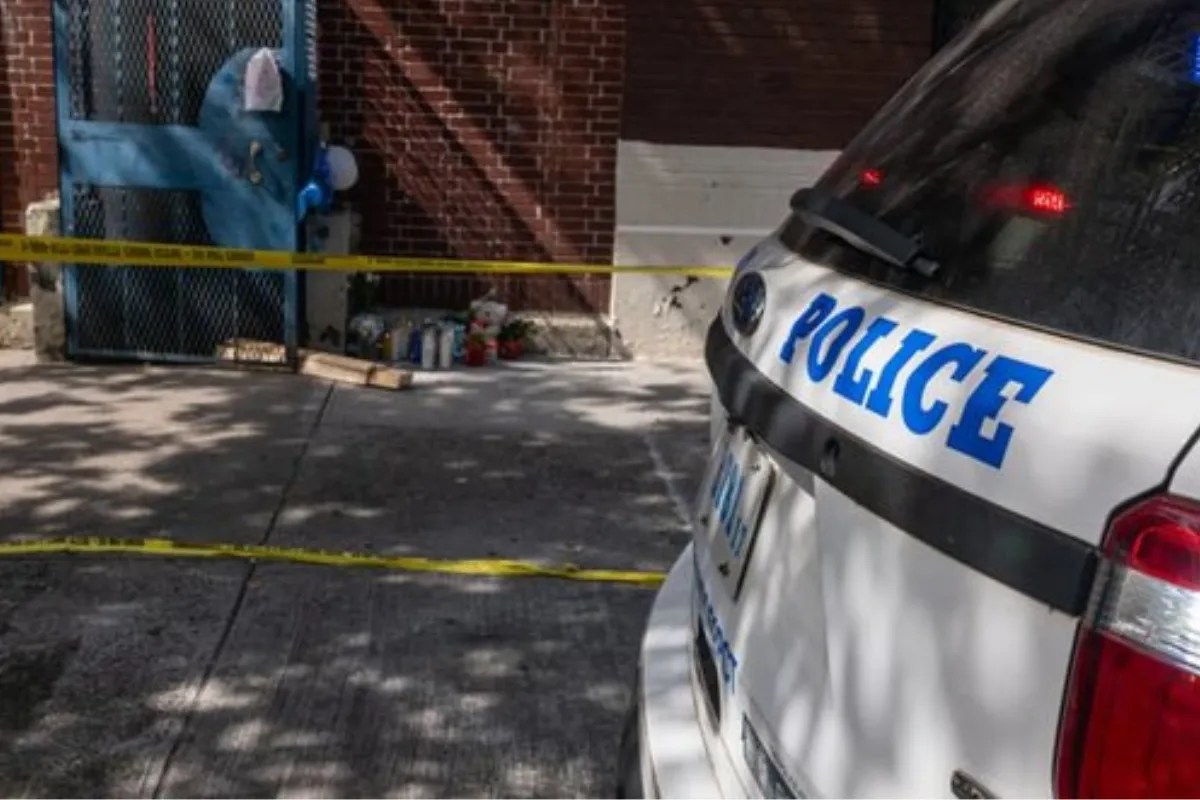
But in New York, on this specific block, the yellow crime scene tape remains tied to a chain-link fence, fluttering gently in the morning breeze. Detectives walk the area in daylight, searching for a stray bullet hole in a brick wall or a piece of security camera footage that might offer a clue. Neighbors stand on their stoops, talking in hushed tones, looking at the stains on the ground that the rain hasn't washed away yet.
A mother holds her child's hand just a little bit tighter as they walk past the corner. The child looks at the sky, perhaps wondering if the monsters from the night before are still hiding behind the clouds, waiting for the next celebration to begin.