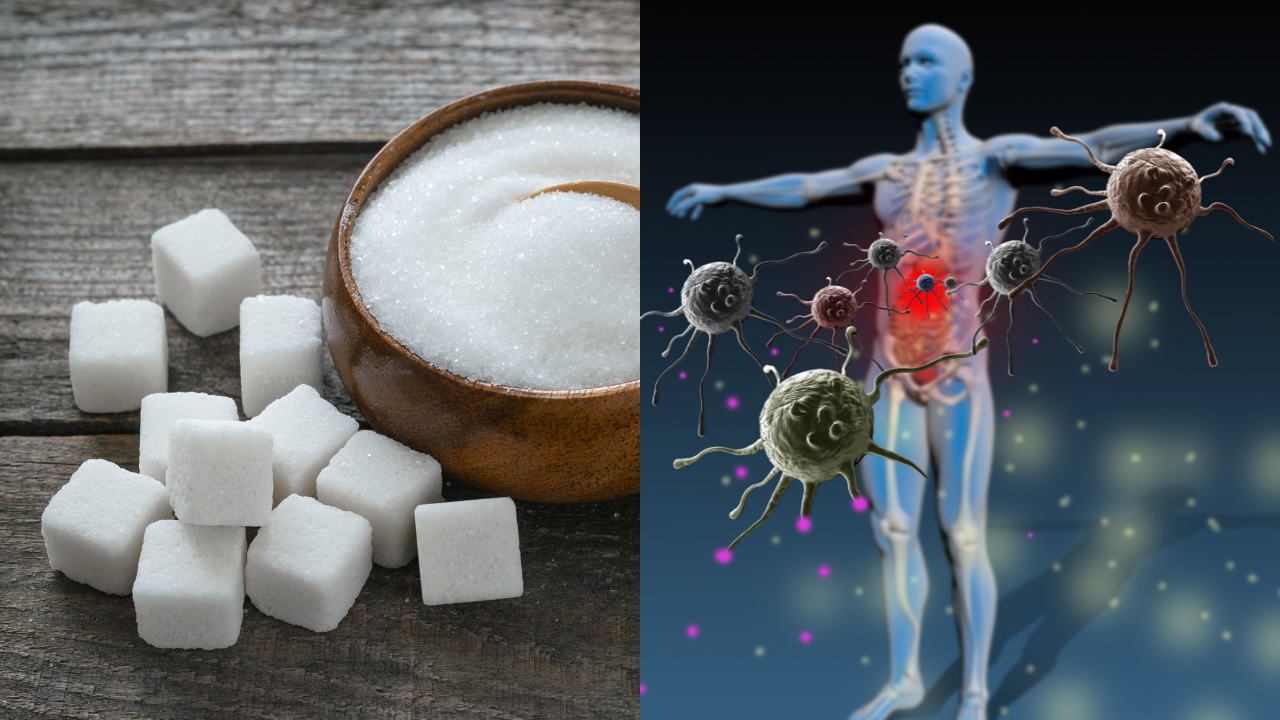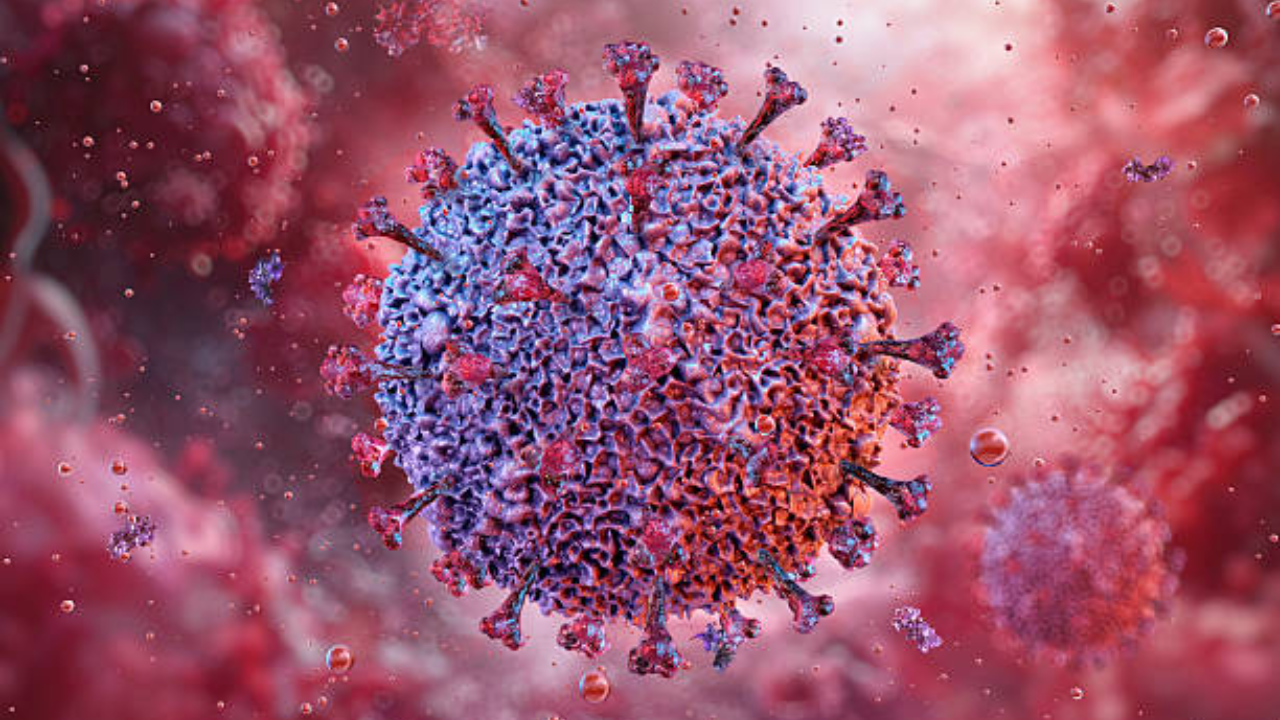
The mainstream science press loves a body count. Give a health desk a novel pathogen, a livestock reservoir, and a single human fatality, and the breathless copy writes itself.
That is exactly what happened when news broke that Shamonda virus—an orthobunyavirus typically content to circulate quietly among cattle, sheep, and goats via biting midges—infected and killed a human for the first time. The lazy consensus formed instantly. Journalists dusted off the exact same panic-inducing templates they used for avian flu, mpox, and every obscure hemorrhagic fever of the last decade. They framed a tragic medical anomaly as the opening credits of a global disaster movie.
They are wrong. Worse, their framing actively undermines real public health preparedness.
Treating every viral spillover event as an imminent global catastrophe is the fastest way to induce public fatigue and misallocate billions in surveillance funding. When you cry wolf over a vector-borne livestock pathogen that hit a biological dead end, nobody listens when an actual respiratory threat emerges.
The Biology of a Dead End
To understand why the panic merchants are off base, you have to look at the mechanics of the virus itself, not the scary headline. Shamonda virus belongs to the Peribunyaviridae family, specifically the Simbu serogroup. If that sounds familiar, it should. Its close cousin is Schmallenberg virus, which tore through European livestock in 2011, causing devastating birth defects in calves and lambs—and infecting precisely zero humans despite massive agricultural exposure.
These viruses are arboviruses. They rely on arthropod vectors, primarily Culicoides biting midges, to move from host to host.
Here is the biological reality that alarmist reporting conveniently buries in paragraph fourteen:
- Vector dependency is a massive evolutionary bottleneck. A virus adapted to replicate inside the gut of a biting midge at ambient temperatures and then jump into the bloodstream of a ruminant faces staggering genetic hurdles to suddenly optimize for human-to-human aerosol transmission.
- Spillover is not adaptation. A virus entering a human host and causing severe disease—even death—is often a sign of poor adaptation, not viral supremacy. Well-adapted human pathogens want you walking around, coughing on the subway, and spreading their progeny. Killing a single host through an aberrant immune cascade or neuroinvasion without establishing an exit route is an evolutionary failure.
- The denominator is missing. When a livestock virus suddenly shows up in a human autopsy, it rarely means the virus just learned a new trick yesterday. It usually means we finally pointed high-throughput metagenomic sequencing at an unexplained death that previously would have been written off as "viral encephalitis, etiology unknown."
I have spent years watching biodefense startups and public health agencies burn through staggering sums of money chasing the ghosts of dead-end zoonoses. Every time an obscure vector-borne virus crosses the species barrier, venture capitalists and grant committees suddenly want to fund universal pan-orthobunyavirus countermeasures. Meanwhile, basic hospital infection control and municipal vector abatement programs starve for cash.
Why Modern Surveillance Creates Artificial Panic
We are living through a golden age of pathogen discovery, and it is breaking our collective risk assessment.
Twenty years ago, if a farmer or an immunocompromised patient died of a mysterious febrile illness after getting bitten by insects, a hospital lab ran standard panels for West Nile, Lyme, and maybe a handful of common enteroviruses. When those came back negative, the case closed. Today, next-generation sequencing acts like a molecular dragnet. We are finding viruses that have likely been spilling over at minuscule, background rates for centuries.
Dr. Nathan Wolfe and other pioneers of viral forecasting built careers mapping this "viral chatter"—the constant, low-level background noise of animal viruses testing the human immune system. Chatter is normal. Chatter is constant. Almost all of it dies out in a single host.
Conflating the detection of a spillover with an increase in spillover frequency is a classic epidemiological blunder. Just because our diagnostic flashlight got brighter does not mean the room suddenly filled up with monsters.
The Questions You Should Actually Be Asking
When a headline announces a novel human fatality from an animal virus, search engines light up with the same predictable, fear-driven queries. Let us dismantle the flawed premises behind them.
Should I be worried about Shamonda virus spreading in my community?
Unless you spend your days ankle-deep in livestock pens in regions where Culicoides midges are actively breeding, your risk is functionally zero. Even if you do work directly with cattle or sheep, the historical seroprevalence data on Simbu serogroup viruses shows that humans rarely seroconvert, even under heavy exposure. You are infinitely more likely to be hospitalized by Campylobacter from unpasteurized milk or a kick from a startled heifer than by an orthobunyavirus.
Does this mean Shamonda virus is mutating to become more dangerous to humans?
No. RNA viruses mutate constantly because their polymerase enzymes lack proofreading mechanisms. That is baseline biology, not a targeted villain arc. A mutation that allows a virus to survive in a human macrophage does not magically confer the ability to bind to human upper respiratory tract receptors and survive inside respiratory droplets. Those are entirely different genetic mountains to climb.
What are the symptoms of Shamonda virus in humans?
Because documented human cases are virtually nonexistent, there is no standardized clinical textbook presentation. Based on related orthobunyaviruses like Oropouche or La Crosse virus, symptomatic infection in humans typically involves acute febrile illness, severe headache, myalgia, and, in rare neuroinvasive cases, meningitis or encephalitis. Notice the pattern: severe outcomes almost always correlate with underlying immunosuppression or extreme viral load exposure, not an aggressive, hyper-virulent superbug.
The Real Threat Is Agricultural, Not Medical
By obsessing over a single human tragedy, media coverage completely misses the actual crisis sitting right in front of us. Shamonda virus and its Simbu serogroup relatives are not a threat to human civilization. They are a massive, under-appreciated threat to global food security.
When Schmallenberg virus swept across Europe, it did not kill people. It caused widespread abortions, stillbirths, and severe congenital malformations in livestock, costing European farmers hundreds of millions of euros and destabilizing meat and dairy supply chains. Akabane virus, another member of the exact same viral family, routinely devastates cattle and sheep herds across Asia, Australia, and the Middle East.
Look at where the real damage happens:
- Silent herd infection: Adult cattle and sheep rarely show severe symptoms when infected with Shamonda. Farmers have no idea the virus is tearing through their livestock until months later, when pregnant animals begin miscarrying or delivering non-viable offspring.
- Climate-driven vector expansion: Warming temperatures and shifting rainfall patterns are expanding the geographic range and active breeding seasons of Culicoides midges. Regions that used to enjoy a hard winter freeze that wiped out vector populations are now dealing with year-round transmission cycles.
- Trade embargoes: The moment a novel arbovirus is detected in a nation's livestock, international trade barriers slam shut. A single positive PCR test in a flock of sheep can wipe out export markets overnight.
If you want to protect human lives, stop treating Shamonda like the next COVID-19 and start treating it like an agricultural emergency. Protecting livestock health is protecting human health. Malnutrition, economic collapse in rural farming communities, and disrupted food supply chains kill infinitely more people than dead-end arboviral spillovers ever will.
The Blind Spot in My Own Argument
Intellectual honesty requires admitting where a contrarian thesis can break down.
Dismissing single-case zoonotic fatalities as biological dead ends works right up until the exact moment it doesn't. Virology is a game of astronomical numbers, and nature occasionally pulls off a statistical miracle.
Look at Oropouche virus. For decades, Oropouche—another Simbu serogroup orthobunyavirus transmitted by biting midges—was treated as a localized, self-limiting tropical nuisance in the Amazon basin. Public health officials largely ignored it. Then, in 2023 and 2024, Oropouche exploded across South and Central America, racking up tens of thousands of cases, causing documented fatalities in healthy young adults, and demonstrating vertical transmission from mother to fetus that mirrors the worst nightmares of the Zika epidemic.
Viruses in this family also possess segmented genomes—specifically, three segments of single-stranded RNA (Large, Medium, and Small). Segmented viruses do not just mutate slowly; they can reassort. If a single host—say, a cow or a midge—is simultaneously infected with Shamonda virus and another related orthobunyavirus, those viral segments can shuffle like a deck of cards, producing a hybrid progeny virus with entirely new host-range capabilities overnight.
I still maintain that panicking over a single human Shamonda death is scientifically illiterate. Treating every rare spillover as a five-alarm fire guarantees institutional burnout. However, ignoring segmented arboviruses entirely because they haven't caused a human epidemic yet is equally reckless.
What Smart Preparedness Actually Looks Like
We do not need breathless cable news segments or panicked stockpiling of experimental antivirals. We need boring, unsexy, relentless execution on the fundamentals of One Health—the framework that actually recognizes human, animal, and environmental health as a single interconnected system.
- Stop isolating veterinary and human surveillance. Right now, agricultural ministries and human health departments operate in completely separate silos, guarded by bureaucratic turf wars. When a veterinarian detects an uptick in livestock miscarriages or midge-borne viral activity, infectious disease doctors in local hospitals should know about it the same afternoon.
- Invest in vector control, not just reactive therapeutics. Waiting until a human ends up in the ICU to care about Culicoides midges is backward. Targeted larval habitat management, improved livestock housing screening, and smarter entomological monitoring stop transmission before a human ever gets bitten.
- Fix the diagnostic blind spot in rural hospitals. Clinicians in agricultural regions need rapid, multiplexed PCR panels that test for regionally relevant livestock pathogens when a farmworker presents with unexplained encephalitis. You cannot manage what you cannot measure.
The media wants you to believe that the first human death from Shamonda virus is a warning siren that humanity is losing the war against emerging infectious diseases. It isn't. It is a routine reminder that we share this planet with trillions of microbes, and occasionally, our diagnostic nets catch one crossing a line it was never built to cross.
Stop reading pandemic fan fiction. Start paying attention to the farms.