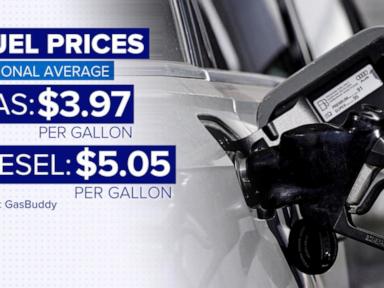
If you think filling up your standard sedan is painful right now, take a look at the commercial diesel pump. Diesel prices across the country have breached the $5 a gallon mark again. It is a brutal milestone that ripples through every layer of the economy. For owner-operators and fleet managers, it feels like a punch to the gut.
When truck fuel hits this price threshold, it isn't just a trucking industry problem. It is a consumer emergency. Virtually everything you eat, wear, or use travels on a diesel-powered machine. When it costs $1,500 to fill a big rig's tanks, those costs do not just disappear into the ether. They show up at the grocery checkout line line by line.
The Forces Shoving Fuel Costs Over the Edge
You can't blame this spike on a single bad actor. It is a perfect storm of global conflict, refined product scarcity, and seasonal strain.
Geopolitical instability, particularly escalating tensions involving major oil producers in the Middle East, has severely disrupted the global energy balance. Whenever crude supplies shrink, refined products feel the squeeze first. Domestic refiners are also struggling. Low national inventories of essential transport fuels have created a critical supply crunch right in the middle of the summer shipping rush.
The math behind a gallon of diesel explains why things got so bad so fast. Typically, crude oil costs account for less than half of what you pay at the pump. The rest comes from refining margins, distribution, and taxes. Right now, "crack spreads"—the profit margin refiners make by turning crude into diesel—are massively elevated. There simply is not enough refining capacity online to keep up with domestic freight demands, forcing prices to jump.
High Energy Costs Hit Home Fast
Independent truckers are taking the biggest hit. Many owner-operators are operating on Razor-thin margins. When diesel hovers around $3.50, a truck averaging 6.5 miles per gallon stays profitable. At $5 or more, the fuel surcharge programs managed by brokers rarely keep up with the actual cash drain at the station.
Think about the wider economic impact:
- Agricultural Supply Chains: Tractors, harvesters, and local distribution trucks run almost exclusively on diesel. High fuel costs mean more expensive crops before they even leave the farm.
- Retail Surcharges: Major freight carriers pass these expenses down to retailers via fuel surcharges. Retailers then adjust sticker prices to keep their own businesses afloat.
- Construction Delays: Heavy machinery relies heavily on diesel fuel. High project overhead forces developers to slow down new builds or raise contract prices.
Regional disparities make the situation even more chaotic. While the Gulf Coast generally enjoys lower prices due to its proximity to major refineries, truckers on the West Coast and Northeast are seeing numbers far higher than the $5 national average. In states like California, prices have spiked much higher, making interstate transport a logistical nightmare.
How to Protect Your Logistics Business Right Now
Sitting around and waiting for global oil markets to stabilize is a losing strategy. Fleet operations and independent drivers need to take control of their operational efficiency immediately.
First, fix your fuel surcharge terms. Shippers and brokers often try to bundle freight rates into an "all-in" price when markets are volatile. Do not accept this. Insist on a transparent, fluctuating fuel surcharge tied directly to the weekly Department of Energy average. This protects your margins if prices jump another twenty cents next week.
Second, change how you drive. Dropping your highway cruising speed from 70 mph to 65 mph can improve fuel economy by up to 10%. Route optimization software is no longer a luxury. It is mandatory. Eliminating out-of-route miles and avoiding high-congestion urban corridors during peak hours keeps your trucks moving instead of idling away profits.
Finally, leverage fleet discount networks. Never pay the cash price displayed on the highway marquee if you can avoid it. Joining a fuel card program gives you access to wholesale corporate pricing at major truck stops, frequently saving 30 to 40 cents per gallon. Every dime saved keeps your business alive while the market cools down.