The refrigerator hums. In Beirut, this is a sound of immense luxury.
For months, the city lived under the brutal dictation of a different soundtrack: the heavy, thudding bass of airstrikes, the whine of reconnaissance drones circling overhead like mechanical vultures, and the sudden, shattering cracks of artillery. But today, there is a strange, hollow quiet. The power is on for an hour, so the refrigerator hums.
A middle-aged shopkeeper—let us call him Rami—sits on a plastic chair outside his grocery store in the Bourj el-Barajneh neighborhood. He is not unpacking inventory. He is not counting cash. He is simply listening to the silence. To the untrained ear, this quiet feels like peace. To Rami, and to millions of others caught in the crossfire of geopolitical chess, it feels like the tense breath taken right before a plunge into deep water.
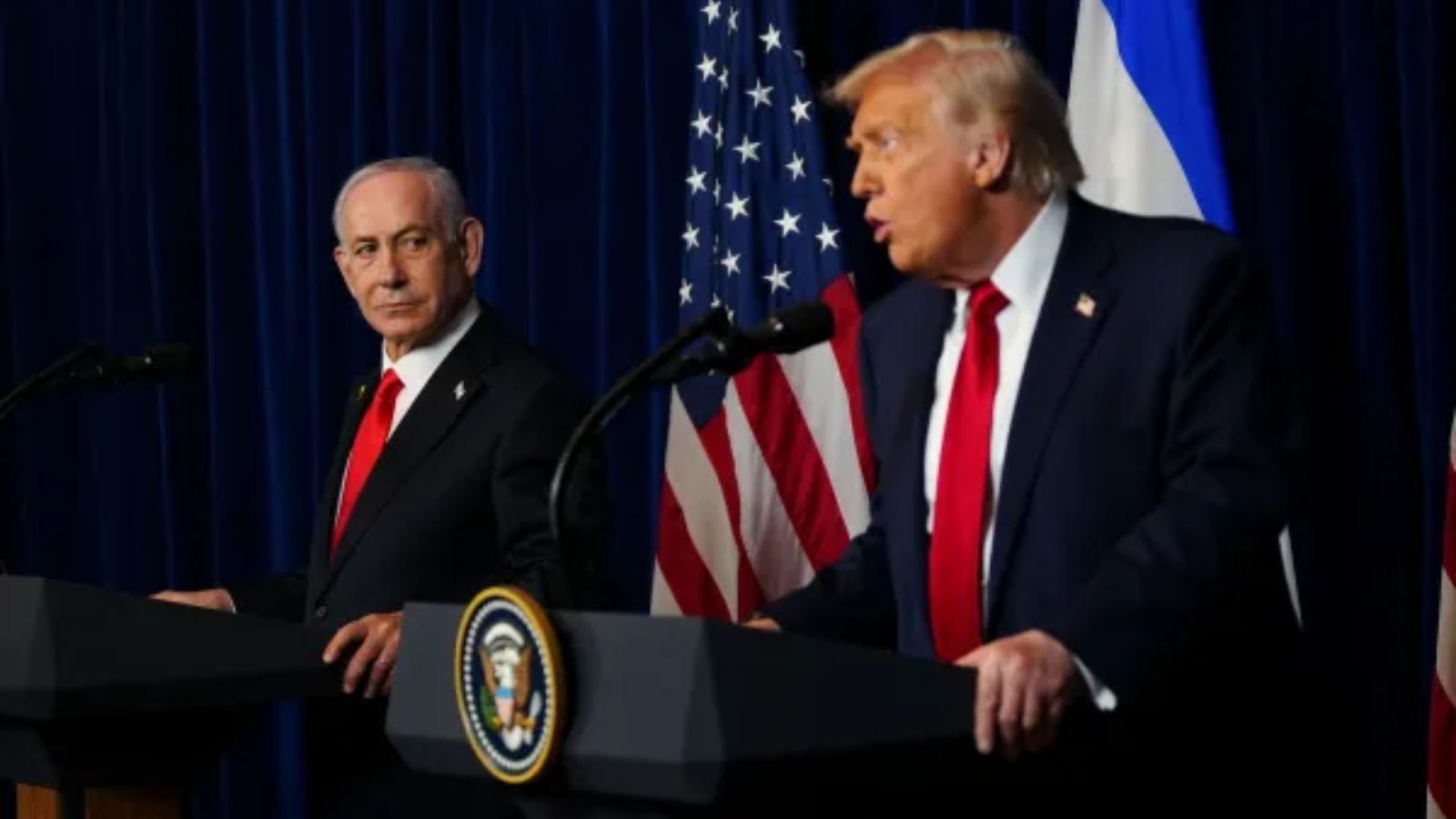
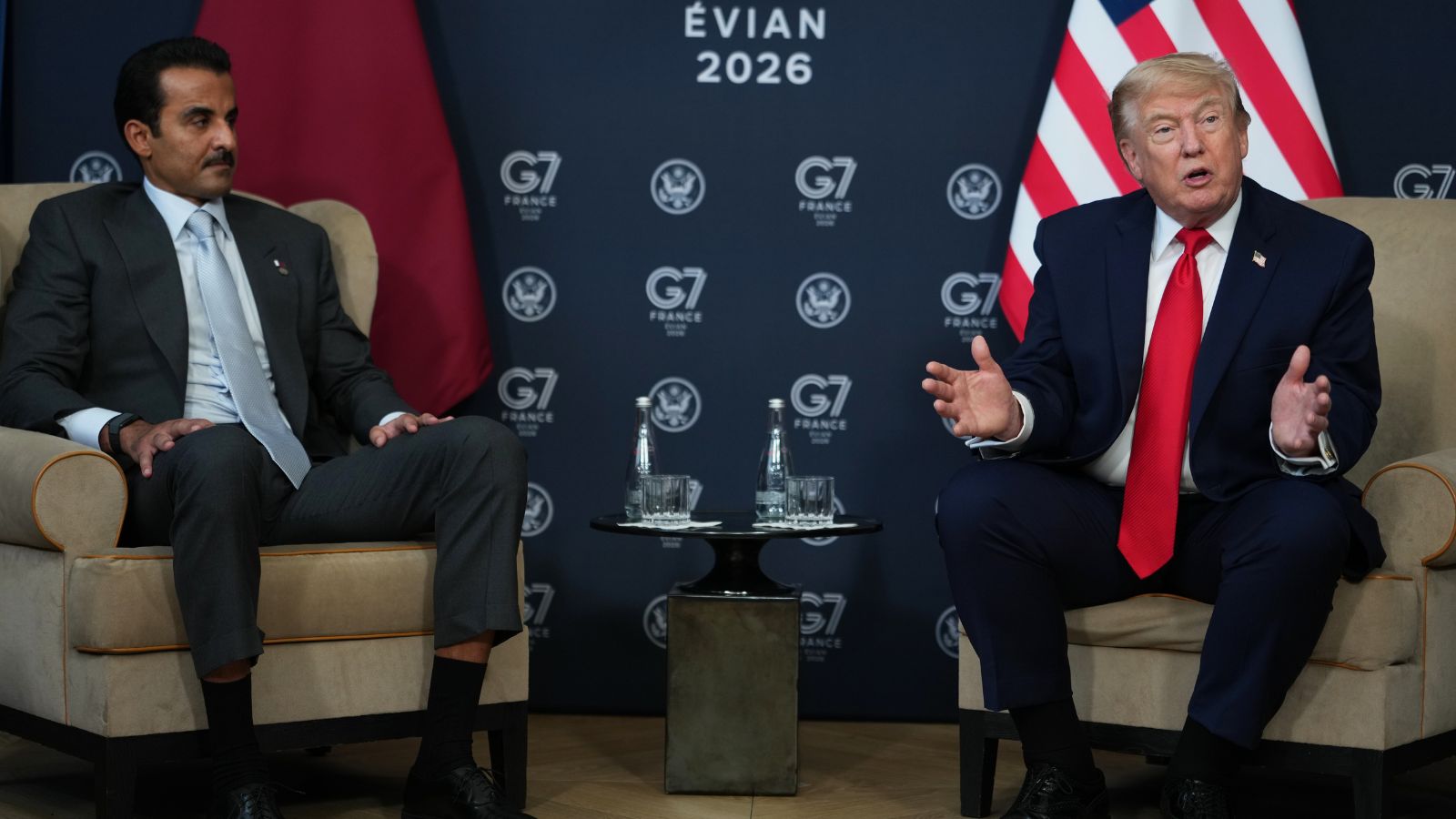
A truce negotiated across oceans, brokered by American diplomats and green-lit by the leadership in Tehran, has paused the violence between Israel and Hezbollah. The missiles have stopped flying for now. The diplomats are slapping each other on the back in distant European capitals, celebrating a triumph of statecraft.
But back on the ground, the silence is terrifying. It is a fragile quiet that leaves every burning question completely unanswered.
The Illusion of the Paper Shield
International agreements are written on high-grade bond paper, signed with fountain pens, and presented to the press under blinding camera flashes. They look solid. They sound definitive.
In reality, they are often nothing more than a temporary pause button pressed by outside powers who are tired of paying the immediate costs of war. The core friction remains completely untouched. The underlying mechanics of the conflict are still grinding away beneath the surface, hidden from the view of casual news consumers.
To understand why this truce is so precarious, we have to look past the official press releases and examine the anatomy of a proxy conflict.
Imagine two neighbors who have been feuding for decades. Instead of fighting directly in the street, they throw rocks through each other’s windows from behind high fences. Then, they escalate. They hire local teenagers to stand on the property line and trade blows. The neighbors supply the weapons, dictate the strategy, and pay the medical bills, but their own homes remain largely untouched.
This is the reality of the relationship between Washington, Jerusalem, and Tehran playing out on the soil of Lebanon.
Hezbollah is not just a domestic political party or a rogue militia; it is the crown jewel of Iran’s "Axis of Resistance." It possesses an arsenal of sophisticated, precision-guided missiles capable of reaching deep into Israeli territory. For Iran, Hezbollah is a vital deterrent—a loaded gun pointed at Israel’s head to ensure that any direct strike on Iranian nuclear facilities or sovereign territory would trigger a catastrophic retaliatory response.
Israel, conversely, views the presence of this heavily armed proxy on its northern border as an existential threat that cannot be tolerated indefinitely. The United States, tied to Israel by decades of strategic alliance and domestic political imperatives, finds itself continually trying to manage the fallout, attempting to box Iran in without getting sucked into another endless Middle Eastern war.
When these three massive forces collide, Lebanon is the anvil.
The current truce addresses the immediate symptoms of the fever, but it does nothing to cure the infection. It demands a withdrawal of fighters from the border. It speaks of international monitoring teams. It promises a return to normalcy for displaced civilians on both sides of the blue line.
But it does not answer the ultimate question: Will Hezbollah truly disarm and forfeit its strategic role for Tehran? And will Israel ever truly accept a heavily armed, hostile entity sitting just a few miles from its northern Galilee communities?
The answer, whispered in the cafes of Beirut and debated in the halls of the Pentagon, is a resounding no.
The Mechanics of Uncertainty
Consider what happens next when an agreement lacks a enforcement mechanism that anyone actually believes in.
The truce relies heavily on the Lebanese Armed Forces (LAF) and the United Nations Interim Force in Lebanon (UNIFIL) to police the southern border region and ensure that Hezbollah does not re-establish its military infrastructure. On paper, this sounds logical. In practice, it is a mathematical and political impossibility.
The Lebanese state is bankrupt. Its currency has lost more than ninety percent of its value over the last several years. Soldiers in the national army are paid salaries that can barely cover the cost of a bag of groceries and a tank of gas. The military lacks the heavy hardware, the technological surveillance assets, and, most importantly, the political mandate to forcibly disarm a battle-hardened militia that is better funded and better equipped than the state itself.
UNIFIL, meanwhile, operates under a restrictive mandate that requires cooperation with local authorities. For decades, their white armored vehicles have rolled along the dusty roads of southern Lebanon, occasionally blocked by "angry locals" whenever they get too close to suspected underground facilities or missile storage sites. They are observers in a zone that requires enforcers.
This leaves the truce relying entirely on the voluntary compliance of the combatants.
But compliance is a luxury that neither side believes it can afford. For Hezbollah, giving up its positions along the border feels like strategic suicide, an invitation for Israel to strike at a time of its choosing. For Israel, watching Lebanese civilians return to the southern villages while knowing that the underground bunkers and missile silos remain intact feels like playing Russian roulette with the safety of their own citizens.
So, the quiet remains. But it is a dirty quiet. It is a period of frantic re-armament, disguised as reconstruction.
The Human Cost of Abstract Policy
While the strategists calculate missile ranges and geopolitical leverage, the people living inside the math are slowly breaking.
War does not just destroy concrete; it liquefies the sense of a predictable future. When a truce is announced without clarity, it creates a cruel psychological limbo.
Tens of thousands of families were displaced by the recent rounds of fighting. They fled the south with whatever they could throw into the back of a sedan or a battered pickup truck. They have been sleeping in public schools, crammed into tiny apartments with relatives, or renting substandard rooms at exorbitant rates in the north.
Now, they are told it is safe to go home.
But going home is not a simple matter of turning a key in a lock. For many, home is now a pile of gray rubble mixed with twisted rebar. The fields of olive trees that sustained their families for generations are scorched, the soil laced with unexploded cluster munitions.
More than the physical destruction, there is the emotional toll of the unknown. Imagine packing up your children, driving back down the highway, clearing the debris from your living room, and trying to rebuild a life while knowing that the truce could evaporate before the cement dries.
Do you buy new furniture? Do you replant the crops? Do you register your kids for the upcoming school year at the local village building?
Every decision becomes an agonizing gamble. If you invest your remaining savings into rebuilding, you risk losing everything in the next escalation. If you stay away, you abandon your land and accept permanent displacement.
This is how a fragile quiet tortures a population. It offers just enough hope to prevent people from moving on, but not enough security to allow them to truly live. It keeps an entire nation suspended in mid-air, waiting for the other shoe to drop.
The Missing Pillars
A sustainable peace requires three distinct pillars: economic viability, political will, and regional balance. The current US-Iran framework lacks all three.
First, there is no economic engine attached to this agreement. Lebanon cannot rebuild itself on its own. The international community, burned by decades of corruption and mismanagement within the Lebanese political structure, is hesitant to pour billions of dollars into a black hole. Without a massive, transparent Marshall Plan style injection of capital, the areas devastated by the conflict will remain breeding grounds for resentment and radicalization.
Second, the political will for a permanent settlement is completely absent among the primary actors. The current leadership structures in both Israel and Iran derive significant domestic legitimacy from their stance against the external enemy. For the hardliners in Jerusalem, total victory over regional proxies is the only acceptable outcome. For the regime in Tehran, maintaining a forward deployed deterrent against Israel is essential for survival. Neither side is led by figures who can afford the domestic political cost of a genuine compromise.
Third, the regional balance is fundamentally unstable. The truce was not born out of a mutual desire for peace; it was born out of temporary exhaustion. Iran needed to stop the bleeding of its primary proxy after heavy losses to its leadership cadre and infrastructure. The United States needed to lower the temperature in the region to focus on pressing domestic concerns and other global flashpoints. Israel needed time to rest its reserve forces and economic systems after a prolonged multi-front conflict.
This is a cessation of hostilities based on fatigue, not a resolution based on justice or strategic alignment. It is an intermission, not the end of the play.
The Sound of the Next Storm
Back outside the grocery store in Beirut, the electricity cuts out. The hum of Rami’s refrigerator dies, replaced instantly by the distant, sputtering cough of a neighborhood diesel generator cranking to life.
The illusion of normalcy is that brief, quiet second between the power switching from the state grid to the private generator.
Rami looks up at the sky. It is clear, blue, and empty. But he, like everyone else who has survived the cyclical tragedies of this region, knows how quickly that sky can turn to iron.
The diplomats will continue to write reports. They will use words like "stabilization" and "de-escalation" in their briefings. They will point to the lack of daily casualty reports as evidence that their policy is working.
But true peace is not merely the absence of gunfire. It is the presence of security. It is the ability of a mother to put her child to bed without wondering if the roof will collapse before morning. It is the confidence of a farmer planting a seed, knowing he will be there to harvest the fruit years down the line.
Until an international agreement addresses the deep, systemic rot of proxy warfare, until it offers a real future for the sovereign state of Lebanon separate from the strategic ambitions of foreign capitals, any truce is just a stay of execution.
The quiet in Lebanon is not a victory. It is a countdown.