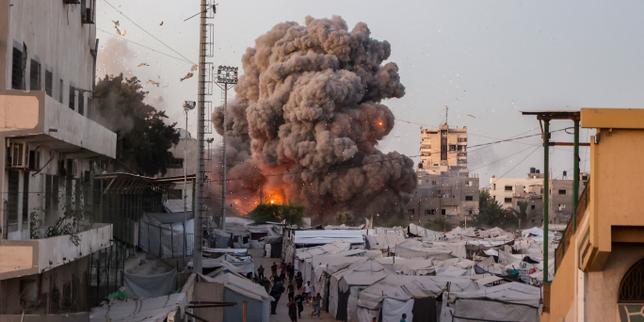
Diplomatic inertia costs lives. That is the hard truth hanging over European capitals right now. Former French and British ambassadors recently broke ranks to sound an urgent alarm. They argued that Paris and London carry a unique historical and legal responsibility to stop standing on the sidelines regarding Palestine.
If you look past the standard diplomatic communiques, you see a glaring failure of nerve. For decades, Western allies have issued statements expressing deep concern while doing very little to enforce international law on the ground. That approach has expired. The situation demands direct bilateral pressure, joint accountability measures, and an honest reckoning with past mistakes.
The Weight of History and Broken Promises
Britain and France share a tangled history in the Middle East. From the legacy of the Sykes-Picot agreement to subsequent UN voting records, both nations shaped the modern borders of the region. Because of that past, they bear a lingering obligation to help secure a just peace.
Former diplomats know how the machinery works behind closed doors. They understand that policy stagnation is a choice, not an accident. When Paris and London remain quiet, they greenlight continued violations of international humanitarian conventions.
- Historic mandates left deep scars across the region.
- UN Security Council vetoes often shield bad actors from accountability.
- Bilateral leverage remains severely underutilized by both governments.
You cannot claim to champion a rules-based international order while exempting your strategic allies from basic legal standards. Double standards destroy diplomatic credibility faster than any military defeat. When Palestinians watch European leaders lecture the world about human rights while ignoring illegal settlements and systemic displacement, they hear hypocrisy.
Beyond Empty Words and Endless Talks
Talk is cheap. Sanctions, trade restrictions, and diplomatic penalties carry weight. Former ambassadors are pushing for concrete actions rather than another round of fruitless peace summits.
What does real action look like? It starts with the immediate suspension of military cooperation and arms sales that could be used in violation of humanitarian law. It extends to the strict labeling and banning of goods originating from illegal settlements entering European markets. European consumers deserve to know where their products come from, and illegal enterprises should never profit from European trade agreements.
Diplomacy requires teeth. Without consequences for breaching international law, peace processes turn into theater. Negotiating tables become stalling tactics while facts on the ground shift irreversibly through land grabs and demolitions.
Breaking the Transatlantic Dependency
Too often, European foreign policy plays second fiddle to Washington. When American administrations gridlock or prioritize domestic electoral politics over global justice, European leaders shrug and mimic inaction. That excuse no longer washes.
France holds a permanent seat on the United Nations Security Council. The United Kingdom does too. Together, they possess the diplomatic weight to draft, sponsor, and push through binding resolutions that challenge the status quo. They do not need permission from every other Western capital to defend international law.
Stepping out of the shadow of American policy discomfort takes courage. Leaders in Paris and London need to realize that subservience to a failing status quo damages their own long-term security interests. Regional instability in the Middle East bleeds directly into Europe through refugee crises, radicalization, and economic shocks.
What Needs to Happen Right Now
Public pressure matters. Citizens across Europe are waking up to the disconnect between government rhetoric and state complicity. Ignoring public sentiment eventually backfires at the ballot box.
Real leadership means looking at a crisis, identifying the legal obligations, and executing them regardless of temporary diplomatic friction. France and Britain must coordinate a joint diplomatic ultimatum. They need to recognize Palestinian statehood unconditionally as a tool for leverage, rather than dangling it as a distant reward at the end of an impossible negotiation process.
The path forward requires abandoning comfortable diplomatic fictions. If European capitals truly believe in international justice, they must start acting like it before there is nothing left to save.