The Illusion of Control in Centralized Stablecoins
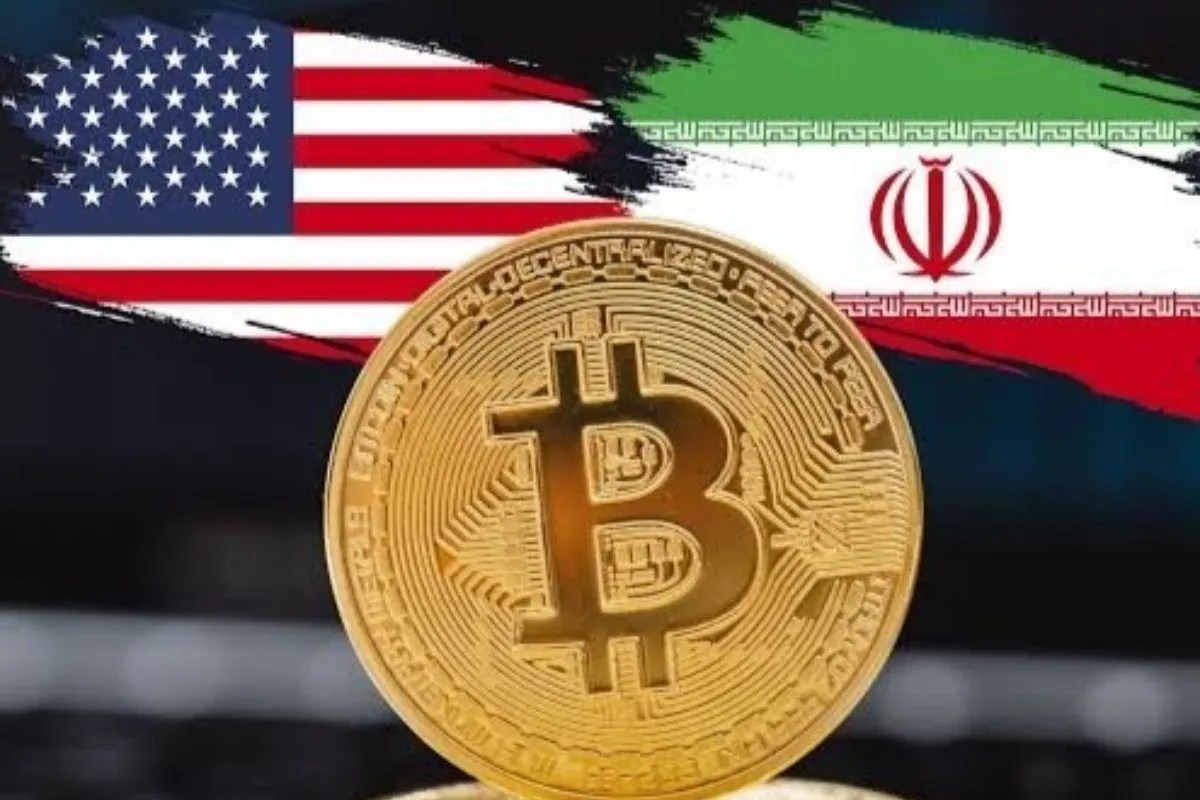
Mainstream financial headlines love a clean, triumphant narrative. When news broke that US authorities coordinated with Tether to freeze millions in USDT linked to Iranian funding networks, Western media rushed to declare a decisive victory against illegal money flows.
It makes a great press release. It satisfies bureaucrats who need to show Congress that sanctions are working.
It is also completely missing the point.
Celebrating a Tether freeze as a systemic fix for sanctioned capital flows is like celebrating a speed camera on a highway while ignoring the twenty unpaved back roads right next to it. I have spent over a decade watching institutional capital, sovereign actors, and illicit networks navigate global compliance constraints. The reality on the ground is brutally simple: freezing a centralized stablecoin wallet does not kill the network; it merely forces an upgrade to better infrastructure.
Tether Was Never Decentralized (Stop Pretending to Be Shocked)
The fundamental flaw in the mainstream commentary is the bizarre assumption that Tether (USDT) represents unseizable digital cash.
USDT is an ERC-20 (or TRC-20) token issued by a centralized, profit-seeking corporation based in a jurisdiction subject to global law enforcement pressure. Tether's smart contracts literally contain a freeze() function. The smart contract code explicitly allows the contract owner to blacklist addresses, preventing them from transferring tokens indefinitely.
function addBlackList (address _clearedUser) public onlyOwner {
    isBlackListed[_clearedUser] = true;
    AddedBlackList(_clearedUser);
}
When OFAC or the US Department of Justice issues a order to Tether Limited, Tether clicks a button, calls that function, and the funds sit dead on-chain.
Targeted actors using USDT for high-risk sovereign settlement are not being outsmarted by elite Western intelligence agencies. They are simply taking a calculated risk with cheap, liquid infrastructure until they get caught—at which point they pivot.
Calling a Tether freeze a "huge blow" to sanctioned actors fundamentally misinterprets how state-level or sophisticated illicit finance operates.
The Real Shift: What Happens After the Freeze
When you freeze $10 million in USDT, that money does not vanish into a vacuum, and the underlying incentives to move value do not evaporate. Instead, capital immediately migrates down the decentralization spectrum.
Here is the actual mechanics of what happens next:
1. From Tether to Algorithmic and Non-Custodial Assets
Tether and Circle (USDC) are the low-hanging fruit of crypto compliance. Once an address is flagged, those entities comply within hours. Because of this, sophisticated networks increasingly treat USDT merely as a temporary medium of exchange—a hot potato—rather than a store of value. The real movement of funds happens via decentralized exchanges (DEXs), cross-chain bridges, and collateralized stablecoins where no single corporate board can press a pause button.
2. The Rise of Peer-to-Peer OTC Desk Networks
Headlines focus on public blockchain ledgers because they are easy to track with basic chain-analysis tools. What the media ignores is the massive, off-chain liquidity layer operating via private OTC (Over-The-Counter) desks spanning Dubai, Moscow, Istanbul, and Tehran. Value moves through localized order matching, hawala networks integrated with local banking infrastructure, and multi-signature escrow systems.
3. Cross-Chain Shifting and Privacy Infrastructure
Blockchains like TRON offer ridiculously cheap fees, making TRC-20 USDT the default rail for international trade in emerging markets. But when law enforcement clamps down, actors shift funds through privacy-focused protocols, atomic swaps, and un-hosted assets like Bitcoin and Monero before cash-out events.
To believe that sanction-busting stops because a few million dollars in USDT got blacklisted is to misunderstand basic economic incentives. Capital finds a way.
The Blind Spot of Western Sanctions Strategy
Western financial enforcement is built on a legacy framework: identify the gatekeeper, pressure the gatekeeper, choke off the network.
This worked brilliantly when the global financial system ran entirely through SWIFT and correspondent bank accounts in New York or London. It works reasonably well against centralized crypto entities like Coinbase, Kraken, or Tether Limited.
However, enforcement actions that rely on centralized chokepoints create an evolutionary pressure on the underlying technology. Every high-profile stablecoin freeze speeds up the adoption of protocols that cannot be frozen.
| Asset Type | Issuer Control | Freeze Risk | Liquidity | Primary Use Case |
|---|---|---|---|---|
| USDT / USDC | High (Corporate) | Extreme | Ultra-High | Day-to-day trade, fast settlement |
| Bitcoin (BTC) | None (Decentralized) | Zero (Protocol level) | High | Sovereign reserve, un-censorable transfers |
| Non-Custodial Stablecoins | Low (Smart Contract) | Medium/Low | Moderate | DeFi settlement, collateralized loans |
| Monero (XMR) | None (Decentralized) | Zero | Low/Moderate | Completely private value transfer |
By relying heavily on Tether to act as an un-official enforcement arm of US foreign policy, regulators are accelerating the exact trend they want to prevent: the migration of capital to completely un-trackable, sovereign-grade, non-custodial systems.
The Brutal Truth About Sanctions in a Decentralized World
Let's address the hard reality that mainstream financial analysts refuse to write about.
Public sanctions enforcement creates a game of whack-a-mole. You seize $20 million today; the network reorganizes, splits operations across fifty distinct multi-sig wallets, routes through non-compliant foreign exchanges, and continues tomorrow.
Is Tether freezing wallets a positive step for regulatory compliance? Yes. It proves that centralized entities operating in the crypto space must comply with international law or face immediate existential risk.
Does it disrupt foreign crypto funding in any meaningful, long-term way? Absolutely not.
It is an administrative nuisance for illicit networks, a line item in their cost of doing business. The capital loss is written off, the operational security protocols are updated, and the transactions continue through less visible channels.
The Next Phase of Digital Asset Regulation
If regulatory bodies want to actually address illicit value transfers rather than just secure easy PR wins, the strategy has to evolve beyond demanding that private stablecoin issuers update their blacklists.
The future of financial enforcement isn't about freezing tokens on a public ledger. It is about the physical off-ramps—where digital bits touch real-world fiat currency, real estate, and physical commodities.
Until policy makers focus on the geopolitical nodes where physical cash meets local banking rails in non-compliant jurisdictions, freezing USDT wallets will remain what it has always been: a high-profile band-aid on an open wound.
The technology for censorship-resistant value transfer exists. It is open-source. It cannot be recalled, shut down, or sued. Pretending that a single company's database update solved the problem isn't just naive—it's dangerous policy.