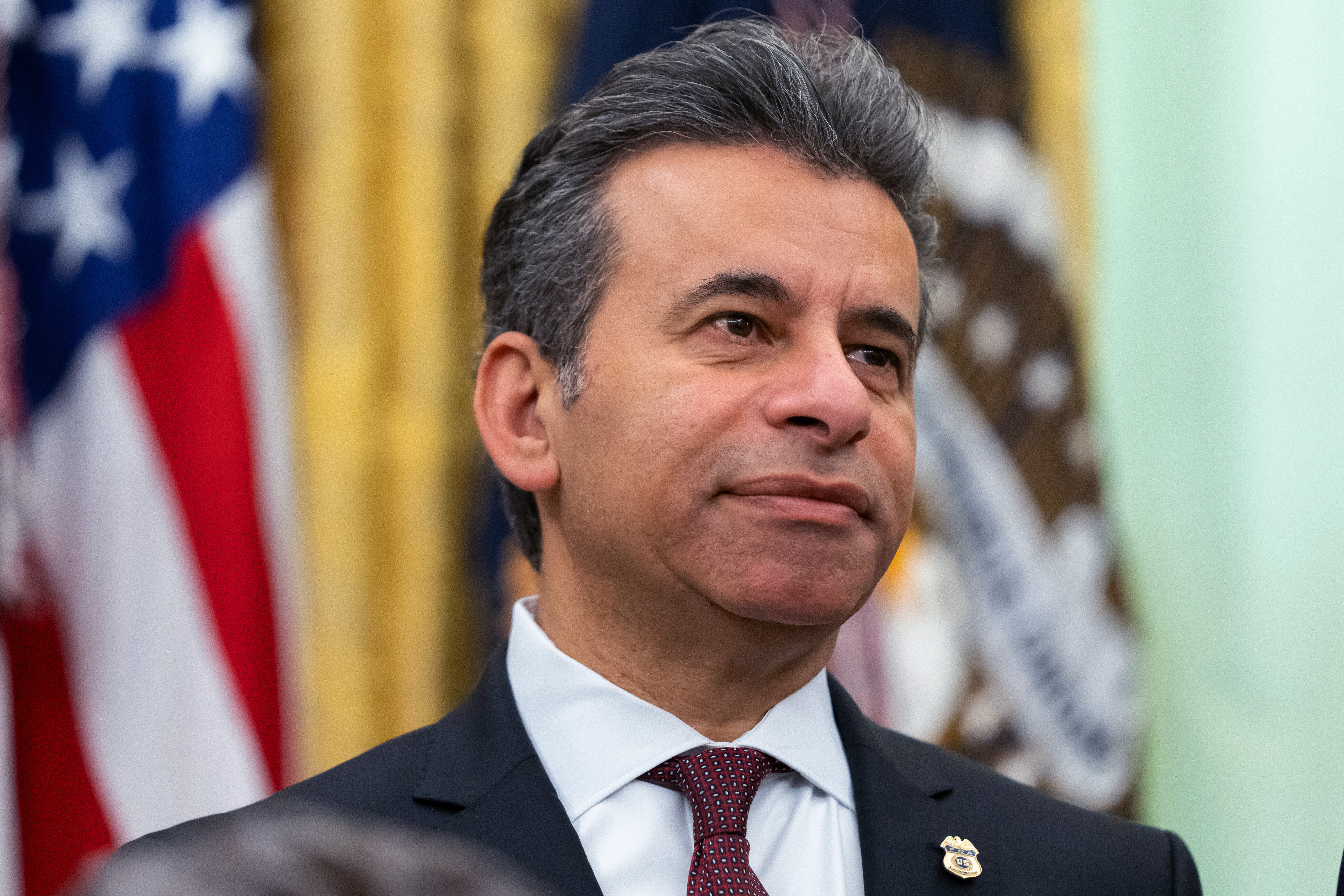
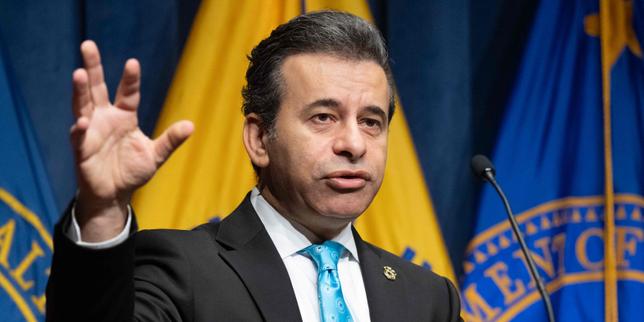
Marty Makary did not just resign on Tuesday. He was squeezed out by a President who values deregulation and industry loyalty over the cautious optics of public health reform. While the official narrative frames his departure as a voluntary step toward a "good life," the reality is far more transactional. Makary, a man who built his career on the "Make America Healthy Again" (MAHA) platform, found himself trapped in a political vice between the anti-vaping activists he once courted and a White House that viewed his hesitation to approve fruit-flavored e-cigarettes as an act of betrayal.
The immediate catalyst was a specific dispute over flavored vapes from Glas Inc. and other major manufacturers. Makary, despite his reputation as a disruptor, balked at the idea of greenlighting products that critics argue are designed to hook minors. President Trump, pressured by a desperate vaping lobby and seeking a win for small and mid-sized business interests, saw Makary’s caution as a return to the "slow-walk" bureaucracy he was hired to dismantle. When the FDA finally authorized those fruit flavors last week, the move didn’t save Makary’s job; it signaled that he was no longer the man in charge of his own agency.
The Breach of the Regulatory Wall
The exit is the culmination of a year-long erosion of the FDA's internal structure. Under Makary’s tenure, the agency became a battlefield where political appointees and career scientists were no longer on speaking terms. This wasn't just typical Washington friction. It was a structural collapse.
Dr. Rick Pazdur, a giant in the world of oncology who headed the FDA’s Center for Drug Evaluation and Research, walked away in December after clashing with Makary. Pazdur’s departure was a warning shot that many ignored. He claimed the "wall" between the commissioner’s office and the independent review staff had been breached. For decades, that wall ensured that drugs were approved based on data, not directives from the 11th floor. Makary ignored that precedent, often bypassing advisory committees he dismissed as "conflicted and expensive."
The results were erratic. One week, the agency would reject a Moderna flu vaccine on a technicality; the next, after a phone call from the White House, it would reverse course. This "predictable volatility" became the signature of the Makary era. It left drugmakers and investors in a state of constant anxiety, unable to guess which way the regulatory wind would blow on any given Tuesday.
Vouchers and Vendettas
To understand why Makary lost his footing, one must look at his signature initiative: the Commissioner’s National Priority Voucher (CNPV). It was designed to fast-track hand-selected therapies, a shortcut through the standard FDA slog. On paper, it was the ultimate MAHA tool—getting life-saving drugs to patients without the red tape.
In practice, it was a disaster of favoritism and understaffing. Career officials, already reeling from mass layoffs led by the Department of Government Efficiency (DOGE), were forced to handle "impossible levels of work" to meet the accelerated deadlines of these priority vouchers. When Sanofi recently asked to pull its diabetes drug, teplizumab, out of the program, it was an unprecedented middle finger to the commissioner. A major pharmaceutical player essentially said they would rather take the long road than deal with the political interference of Makary's office.
The Conflict of the Base
Makary’s downfall was also accelerated by the very people who helped put him there.
- Anti-Abortion Groups: They viewed him as a weak link for failing to revoke the approval of the abortion pill mifepristone.
- MAHA Purists: Followers of Health Secretary Robert F. Kennedy Jr. grew frustrated that Makary wasn't moving fast enough to ban food additives or scrutinize vaccine safety to their satisfaction.
- The Vaping Lobby: They saw him as a "closet regulator" who was holding up billions in potential revenue over personal hangups about fruit-flavored nicotine.
By trying to please everyone, Makary ended up with no allies. The White House finally viewed him as a liability—a man who was too bureaucratic for the radicals and too radical for the bureaucrats.
The Acting Successor
With Makary out, Kyle Diamantas takes the helm as acting commissioner. Diamantas, a former Jones Day partner and current deputy for food, is a far more traditional legal mind. His appointment suggests a shift toward a "compliance first" era, where the FDA focuses on clearing the backlog created by the previous year's infighting rather than launching new, headline-grabbing crusades.
The agency is now in a state of profound transition. Hundreds of positions remain vacant. Key leadership roles at the CDC and the Surgeon General's office are either empty or held by interim figures. Makary’s departure leaves the nation's primary health regulator without a permanent leader during a hantavirus outbreak and a period of intense pharmaceutical innovation.
Marty Makary came to Washington to fix a "broken" system. He leaves behind an agency that is not only still broken but is now missing its internal compass. His tenure proved that while you can campaign on disruption, you cannot regulate through it. The FDA requires a level of boring, predictable stability that a media-savvy reformer simply couldn't provide.
Now, the focus shifts to whether the next nominee will be another "disruptor" or someone who can rebuild the wall between politics and the laboratory. The vaping industry has its answer; the rest of the country is still waiting.