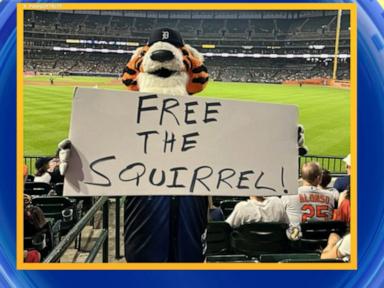
A furry rodent sprinting across a manicured diamond during a high-stakes Major League Baseball game is no longer just a quirky viral video. It is a recurring phenomenon that exposes the bizarre vulnerability of multi-billion-dollar sports infrastructure. When a squirrel breaches the outfield wall at a packed stadium, the broadcast cameras instantly pivot, the crowd erupts into a roaring chant, and millions of viewers at home watch a small mammal evade professional athletes. This is not merely a funny distraction. It represents a fascinating collision between urban wildlife adaptation and the sterile, highly regulated environment of modern professional sports.
The Stadium Ecosystem
Modern ballparks are massive urban islands. Concrete, synthetic turf, and manicured grass create artificial habitats that accidentally cater to opportunistic wildlife. Cities expand, natural foraging grounds shrink, and urban wildlife adapts. Squirrels, pigeons, and even stray cats find an all-you-can-eat buffet inside sports venues. Concession stands leak discarded garlic fries, hot dog buns, and sugary sodas into trash receptacles. Drainage systems offer labyrinthine shelter from predators and harsh weather.
Groundskeepers spend countless hours maintaining the playing surface, but they are also managing an ecosystem. The lush Kentucky bluegrass requires irrigation and fertilization, which in turn attracts earthworms and insects. These bugs form the foundational layer of a food chain that pulls smaller mammals straight onto thewarning track. When a squirrel darts across shortstop, it is following an ancient biological imperative driven by the scent of roasted peanuts and stale beer.
Security Breaches of the Furry Kind
Stadium security is obsessed with perimeter defense. Metal detectors, bag checks, and credential checkpoints keep unauthorized humans out of the restricted zones. Yet, none of these multimillion-dollar security protocols account for a creature weighing less than two pounds.
Ballpark operations teams maintain protocol for almost every emergency. Rain delays have schedules down to the minute. Power outages carry backup generator plans. Fan interference results in immediate ejection. But a rogue squirrel crossing the baseline forces umpires into uncharted territory. Should play continue while a rodent navigates the third-base coach's box? The rulebook offers no guidance. The game pauses. Players bend down, hands on knees, laughing at the absurdity.
The crowd loves it. In an era where ticket prices soar, games stretch past three hours, and analytics dominate every strategic decision, spontaneity remains rare. A squirrel provides genuine, unscripted chaos. Fans pull out smartphones, recording vertical videos destined for social media algorithms. The viral loop completes itself within minutes.
The Human Reaction
Professional athletes are conditioned to tune out distractions. They ignore screaming fans, flashing camera bulbs, and blaring organ music. But tracking a erratic, hyperactive rodent breaks the psychological focus required to hit a ninety-five-mile-per-hour fastball.
Watch the dugout reactions closely. Veteran players smile, pointing at the intruder with amusement. Rookies look around nervously, wondering if this is a prank or an official part of the show. Groundskeepers emerge from the shadows armed not with defensive tactics, but with makeshift containment strategies: oversized trash cans, empty laundry baskets, and towels.
The chase itself is a masterclass in misdirection. A squirrel possesses rapid-fire acceleration and unpredictable lateral movement that would make a silver slugger jealous. It dodges sliding outfielders and hops over foul lines with total disregard for the home plate umpire's strike zone.
Urban Wildlife Management in Professional Sports
Behind the viral clips lies a logistical headache for stadium operations. Pest control in outdoor arenas is a constant, quiet war. Traditional extermination methods are unacceptable due to public relations and animal welfare concerns. A dead rodent found near home plate creates a PR nightmare.
Instead, front offices rely on exclusion techniques and relocation. Humane traps are set in subterranean maintenance tunnels. Netting is repaired along the upper deck soffits to prevent nesting. Yet, nature finds a way past the barricades. A single open delivery bay door during morning batting practice is all it takes for a scout to slip inside.
Urban ecologists point out that these stadium infiltrators are remarkably resilient. They thrive amidst flashing stadium lights, deafening sound systems, and roaring crowds of forty thousand people. They treat the warning track like a suburban park trail, entirely unfazed by the commercial enterprise happening above their heads.
The Cultural Impact of the Ballpark Rodent
Why do these moments capture the public imagination with such ferocity? Sports fans crave authenticity. Modern broadcasts are heavily produced, sanitized, and corporate. Every second is monetized through sponsored inning breaks and digital graphics.
A wild animal crashing the field shatters the corporate polish. It reminds everyone watching that nature cannot be entirely subdued by corporate branding or concrete architecture. For a brief, shining moment, the score of the game does not matter. The multi-million-dollar contracts are irrelevant. Everyone in the stadium shares a single, simple experience: watching a tiny creature try to figure out how to climb a twenty-foot brick wall while a center fielder gently tries to shoo it away.
The next time a furry interloper makes headlines during an extra-inning thriller, remember the complex web of urban ecology, stadium logistics, and human psychology that brought it there. It is a fleeting disruption in a rigid world, a reminder that the wild is always just outside the gates, waiting for an open door.