The dust never really settles around a major construction site. It hangs in the air, a fine gray grit that coats the teeth and turns the sunset a bruised, unnatural purple. For those living downwind of a mega-project, that grit is a daily reminder of a simple truth. Big dreams require big disruption.
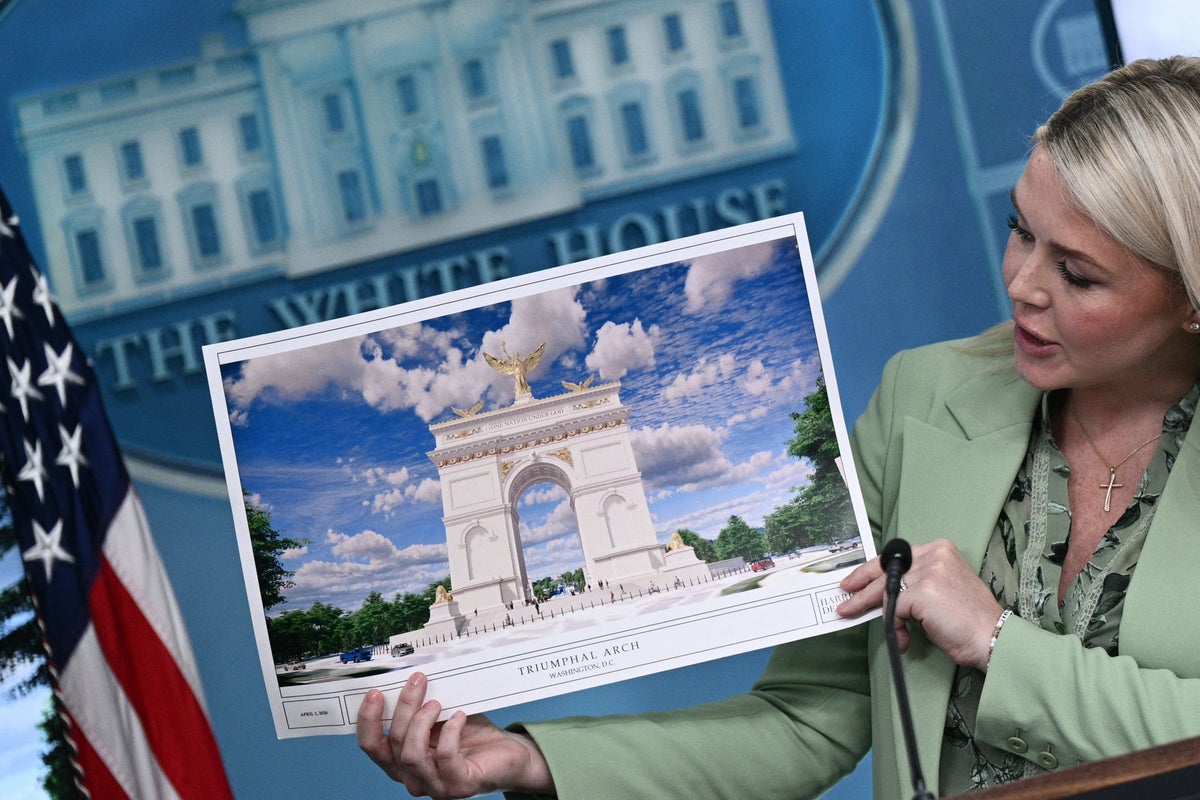
When plans were floated to push a massive, monumental arch through the heart of a bustling urban transit corridor, the promises were grand. It was framed as a triumph of modern engineering. A literal gateway to the future. But behind the glossy architectural renderings lies a messy, human tug-of-war between the urge to build fast and the laws designed to protect the people who have to live with the consequences.
The friction isn't over the steel or the concrete. It is over the paperwork. Specifically, the environmental and bureaucratic guardrails that dictate how, where, and if a structure of this scale should exist. To some, these regulations are a vital shield. To others, they are a strangling noose of red tape.
The Friction of the Framework
Consider the bureaucrat. Picture a mid-level analyst sitting under flickering fluorescent lights, surrounded by stacks of environmental impact reports three feet high. This isn't just paper. It is a record of soil stability, runoff patterns, and the respiratory health of the three elementary schools situated within a two-mile radius of the proposed foundation.
When an administration proposes bypassing these checks to fast-track a pet project, that roomful of paper becomes a battleground.
The argument for skipping the line is always seductive. Speed equals savings. Every day a project sits in committee is a day inflation eats away at the budget. Proponents argue that extraordinary visions require extraordinary measures, claiming the existing legal frameworks are outdated relics designed to stall progress rather than ensure safety. They want to slash through the statutory notices and the public comment periods. They view the law not as a foundation, but as a hurdle.
But laws like the National Environmental Policy Act were not written to annoy developers. They were written because, historically, when powerful entities built whatever they wanted without asking, communities suffered. Rivers caught fire. Neighborhoods were severed by concrete chasms.
When the Guardrails Break
What happens when you ignore the process?
Imagine a neighborhood where the water suddenly tastes faintly of sulfur because a massive pile-driver pierced an undocumented aquifer. The developers didn't know it was there. They didn't do the deep-site survey because the survey takes six months, and they had an executive order letting them skip it.
This isn't a hypothetical fear. It is a repeatable pattern of history. Regulatory shortcuts create a temporary illusion of efficiency, but the hidden costs always come due. They are paid in cracked foundations, diverted floodwaters, and toxic dust. The irony of the giant arch project is that the very speed used to justify the bypass often triggers a avalanche of litigation that grinds construction to a halt anyway. Only now, the lawyers are arguing over damages instead of preventions.
The law is slow because human lives are lived at a human pace. A mega-project is built in a matter of years, but it stands for centuries. The decisions made in a rushed afternoon to meet a political deadline echo for generations.
The Human Scale
We tend to look at monumental architecture from a distance. We see the sweeping curves against the sky. We read the names of the leaders etched into the dedication plaques.
But the true measure of any infrastructure project is found at the ground level. It is found in the local shop owner whose access road is blocked for twenty-four months without compensation. It is found in the structural integrity of the older, brick apartment buildings nearby, rattled by weeks of unmonitored blasting.
When an executive branch attempts to override established statutory protections, it is a statement of priorities. It says the symbol of the structure matters more than the substance of the community it sits within. It replaces the slow, democratic consensus of civil engineering with the blunt force of political will.
Progress shouldn't require a blindfold. The laws governing how we build are the only things ensuring that our grandest monuments don't become our heaviest burdens. If a project is truly great, it can survive the scrutiny of the light.
The crane operators will eventually pack up and leave. The politicians will cut the ribbon and move on to the next campaign. But the neighborhood will remain, left to navigate the permanent shadow of a giant arch that was rushed into reality.



