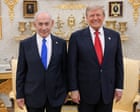
The public rift is no longer a rumor muttered behind closed doors in the West Wing or whispered in the corridors of the Knesset. Benjamin Netanyahu has officially rejected the United States-led fifteen-point Gaza peace plan, creating an unprecedented public fracture with Donald Trump. This sudden split exposes a fundamental collision of political survival and geopolitical ambition. For years, the narrative insisted that Washington and Jerusalem operated from the exact same playbook. That illusion just evaporated.
To understand why this fifteen-point framework triggered such an explosive reaction, we have to look past the diplomatic sanitized language and examine the mechanics of the proposal itself. The plan, drafted by American mediators alongside regional partners, sought an immediate cessation of hostilities tied to a phased release of hostages, a restructuring of governance in the Gaza Strip, and a pathway toward long-term stabilization. It demanded compromises that the current Israeli coalition government views as an existential threat.
In diplomacy, timing is everything. Trump has made it clear that he wants foreign entanglements minimized and high-profile diplomatic victories secured on his own terms. His administration presented the fifteen-point roadmap as a non-negotiable step toward regional normalization deals, specifically eyeing a broader security architecture involving Gulf states. But Netanyahu sits atop a fragile coalition stitched together by hardline ministers who have explicitly threatened to collapse the government if the military campaign in Gaza ends without total operational victory over Hamas.
For the Israeli prime minister, accepting the American framework meant signing his own political death warrant.
The Anatomy of a Diplomatic Breach
Public breaks between American presidents and Israeli prime ministers are rare, but historical precedents exist. Think of Barack Obama and Netanyahu clashing over the Iran nuclear deal, or George H.W. Bush withholding loan guarantees over settlement expansion. However, those disputes occurred within traditional diplomatic channels before spilling into the open. This clash is different. It arrived rapidly, delivered almost as an ultimatum, bypassing the usual months of backroom quiet diplomacy.
The fifteen points of the peace plan hit raw nerves within the Israeli security establishment. Chief among the flashpoints is the demand for a permanent ceasefire timeline tied to international oversight of post-war Gaza administration. Netanyahu’s government rejects any scenario where the Palestinian Authority or international peacekeeping forces assume administrative control of the territory, viewing it as a stepping stone toward a sovereign Palestinian state.
"When survival requires defiance, allies become temporary obstacles."
Veteran diplomatic observers know that Washington rarely tables a comprehensive fifteen-point blueprint without expecting compliance. The fact that Netanyahu felt compelled to publicly reject it—rather than quietly dilute it through counter-proposals or endless committee delays—indicates a profound breakdown in communication. The Israeli leader calculated that standing defiant against an American-led initiative would play better with his domestic base than capitulating to Washington's pressure.
The Domestic Calculus
To decode Netanyahu’s rejection, one must analyze the arithmetic of the current Knesset. The coalition relies on extreme right-wing factions led by figures like Bezalel Smotrich and Itamar Ben-Gvir. These ministers hold veto power over the government's survival. They have demanded the total reoccupation and resettlement of parts of Gaza, rejecting any humanitarian corridors or administrative handovers that do not align with their ideological goals.
If Netanyahu had accepted the American plan, his coalition would have shattered within forty-eight hours. New elections would follow, and current polls suggest his party would face severe losses. Facing trial for corruption and fighting for his political legacy, Netanyahu chose self-preservation over alignment with his closest international ally.
Trump, known for demanding absolute loyalty and transactional success, does not react well to public defiance. The former president views foreign policy through the lens of personal deals and visible wins. Having a foreign leader publicly swat away a signature peace initiative is a slight that challenges his self-image as the ultimate negotiator.
The Regional Fallout
The repercussions of this public break extend far beyond Washington and Jerusalem. Regional players who spent months quietly coordinating with American intermediaries are now recalibrating their positions. Gulf capitals, eager to pivot toward economic modernization and technology partnerships, view the stalled peace plan as proof that the Palestinian file remains an unhealable wound under current leadership.
Furthermore, Hamas and its regional backers are reading this fracture as a sign of strategic vulnerability. When the primary sponsor of a nation's defense and diplomatic cover finds itself at loggerheads with that nation's leadership, cracks appear in the deterrence shield. Adversaries notice when allies are not reading from the same page.
We are witnessing the limits of transactional diplomacy in an environment defined by deep ideological hatreds and existential fears. Peace plans crafted in air-conditioned conference rooms in Washington often fail to account for the bitter reality on the ground, where every concession is measured in blood and political survival.
The fifteen-point plan is currently stalled, gathering dust alongside dozens of previous failed initiatives. Yet the damage is done. The myth of unshakeable, frictionless alignment between the White House and the Israeli prime minister's office has been shattered in broad daylight, setting the stage for a tense, unpredictable chapter in Middle Eastern geopolitics.


