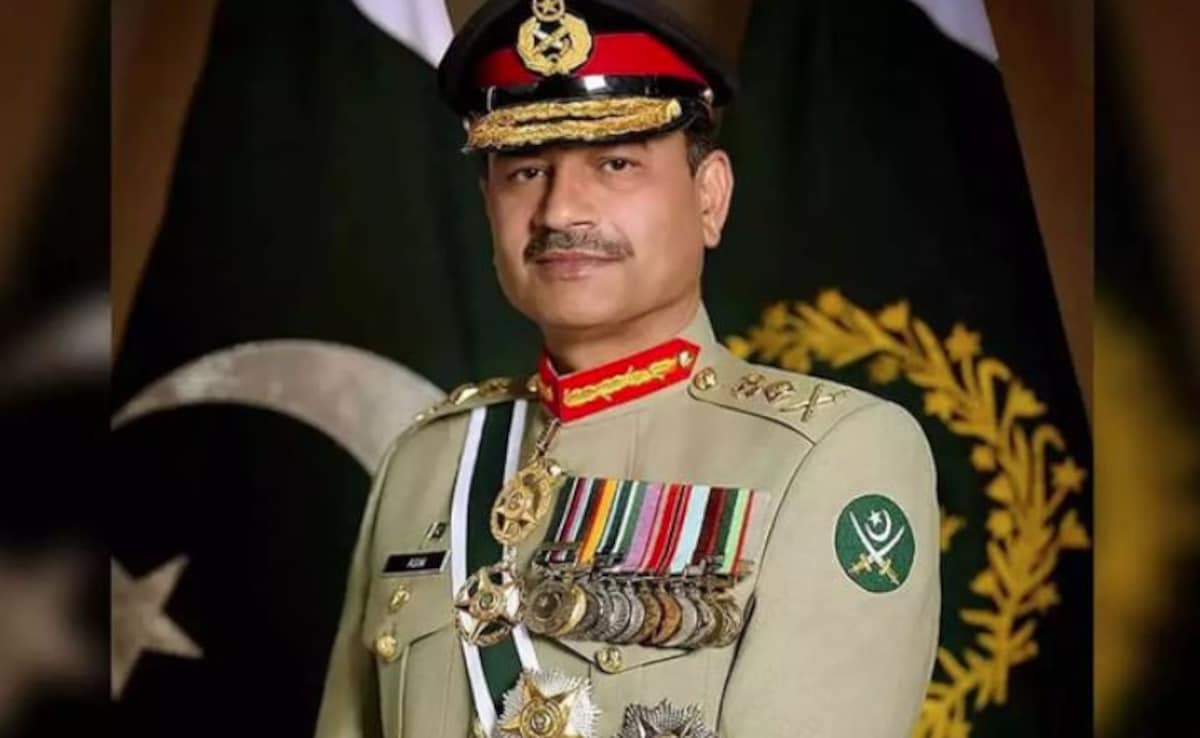
Pakistan’s military leadership just can't seem to help themselves. A year after the quiet execution of Op Sindoor—a strategic move that many thought would stabilize the Line of Control—General Asim Munir has decided to stir the pot again. His recent rhetoric isn't just a routine speech. It’s a calculated, unprovoked threat directed straight at New Delhi. If you’ve been following the regional security arc, you know this isn't how things were supposed to go.
The 2021 ceasefire agreement was meant to be a foundation. Op Sindoor, despite its cryptic nature and the hushed tones in Rawalpindi, was a signal of a shift in internal dynamics. Yet, here we are in 2026, listening to the same tired script of "unflinching support" for Kashmiri resistance and "readiness" for total war. It’s a cycle that feels more like a broken record than a serious military strategy.
Munir’s words matter because they come at a time when Pakistan's economy is barely staying afloat. You’d think a country struggling with inflation and debt would prioritize internal stability. Instead, the army chief is doubling down on the old "India threat" narrative. It’s the classic move to stay relevant. When the domestic situation gets messy, point the finger across the border.
Why Op Sindoor Failed to Change the Equation
Op Sindoor was supposed to be a turning point. Military analysts initially viewed it as a pivot toward a more pragmatic, less confrontational stance. The idea was simple. Streamline operations, reduce the noise of cross-border firing, and focus on the TTP (Tehrik-i-Taliban Pakistan) threat coming from the west.
But old habits die hard. The Pakistani Deep State is built on the foundation of India-centric paranoia. To move away from that is to admit that the military’s massive share of the national budget might not be justified. Munir knows this. His recent comments during the Martyrs’ Day events weren't for an Indian audience. They were for his own officers. He’s reminding them that even if the tactics of Op Sindoor changed the operational tempo, the primary enemy remains the same.
India’s response has been one of calculated indifference. New Delhi isn't biting the bait like it used to. This makes Munir even louder. When you’re trying to pick a fight and the other person just ignores you, it makes you look weak. For a Pak Army Chief, looking weak is the one thing they can't afford.
The Internal Mechanics of the Pak Armys Threat Perception
We need to talk about the internal pressure within Rawalpindi. General Munir isn't just managing a border; he’s managing a fractured institution. The legacy of Imran Khan’s clash with the military hasn't disappeared. There are pockets of the officer corps that still feel the military should stay out of politics.
By ratcheting up the rhetoric against India, Munir is attempting to enforce institutional cohesion. It’s a "rally around the flag" moment. He’s using the specter of an Indian threat to silence internal critics. This isn't about Kashmir. It’s about Rawalpindi’s grip on the levers of power in Islamabad.
Breaking Down the Martyrs Day Speech
Munir’s recent address was packed with thinly veiled warnings. He spoke about "unprovoked aggression" and the "sacred duty" to defend every inch of the homeland. It sounds heroic on paper. In reality, it’s a distraction from the fact that the Pakistani state is failing to provide basic services to its citizens.
He also touched on the "changing nature of warfare," which is army-speak for "give us more money for tech." Pakistan is watching India’s rapid modernization of its armed forces with growing anxiety. The gap is widening. India’s defense budget now dwarfs Pakistan’s to an embarrassing degree. Munir is trying to compensate for this material weakness with psychological bluster.
The Role of China in this Dangerous Game
You can’t talk about Pakistani military threats without mentioning Beijing. China provides the hardware and the diplomatic cover that allows the Pak Army to maintain its aggressive posture. The CPEC (China-Pakistan Economic Corridor) is the lifeblood of the current regime.
However, China is also getting frustrated. The security of Chinese workers in Pakistan is a constant headache. Beijing wants stability so its investments can pay off. There’s a weird tension here. Munir needs China’s support, but China wants him to stop being so loud about India so they can conduct business. It’s a balancing act that’s getting harder to maintain every day.
What India Needs to Watch for in 2026
India shouldn't take these threats lightly, but it shouldn't overreact either. The real danger isn't a full-scale conventional war. Pakistan knows it would lose that in a week. The danger is "hybrid warfare"—the use of localized strikes, cyber-attacks, and state-sponsored proxies to keep India on edge.
We’ve seen this before. A few months of quiet, followed by a sudden spike in infiltration attempts. Munir’s rhetoric usually precedes an uptick in activity along the LoC. Security forces in Jammu and Kashmir are already on high alert. They know that when Rawalpindi starts talking about "threats," it’s often a prelude to a provocation designed to test India’s resolve.
The Nuclear Bluff is Wearing Thin
For decades, Pakistan used its nuclear arsenal as a shield for its proxy wars. The "first use" policy was meant to deter India from any conventional response. But that bluff was called at Balakot.
The world now sees that India has the political will to strike inside Pakistani territory without triggering a nuclear exchange. This has left Munir with very few cards to play. His unprovoked threats are an attempt to rebuild that aura of unpredictability. He wants New Delhi to wonder if he’s crazy enough to push the button. He isn't. But he needs you to think he might be.
The Economic Reality Check
Let’s be real. Pakistan is broke. The IMF is breathing down their necks. Every dollar spent on a missile test is a dollar taken away from a starving population. Munir’s threats are essentially being funded by international bailouts.
If India wants to counter this, the best strategy isn't necessarily more tanks. It’s diplomatic and economic pressure. Highlighting Pakistan’s continued support for terror groups at forums like the FATF remains the most effective way to clip the military's wings. Munir can talk all he wants, but he can't fight a war without fuel, and he can't buy fuel without foreign exchange reserves.
Next Steps for Regional Stability
The international community needs to stop treating Pakistan’s military threats as part of a bilateral "spat." This is a systemic issue where a massive military institution is holding a nuclear-armed country hostage to its own outdated ideology.
- Monitor the LoC movements: Increased rhetoric from Munir usually translates to movement in launchpads within 14 to 21 days.
- Call out the hypocrisy: International partners should link financial aid directly to the reduction of hostile military posturing.
- Focus on the TTP threat: Pakistan needs to realize that its real enemy is the one it helped create on its western border, not the democracy to its east.
Munir’s attempt to revive the ghost of Op Sindoor through threats won't work. The world has moved on. India has moved on. It’s time for the Pak Army to do the same, or risk leading their country into a deeper abyss of their own making. The bluff is over. The threats are hollow. The only question left is how much more damage Munir will do to his own people before he realizes it.