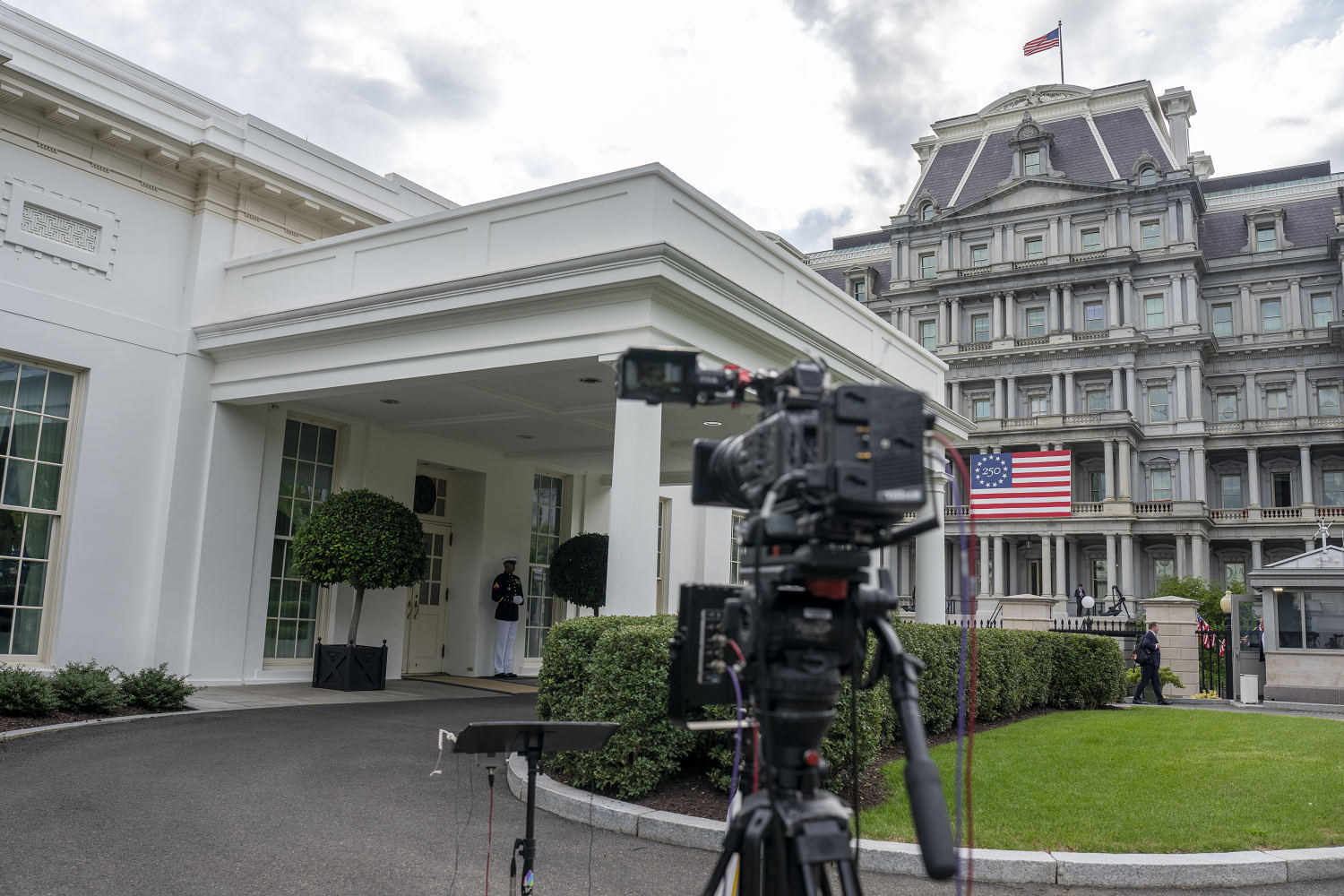
Global financial markets are currently pricing in a fragile illusion, caught between the blunt instruments of trade protectionism, rising transatlantic friction, and shifting energy horizons. At the center of this macro volatility sits a White House attempting to weaponize tariffs while simultaneously managing the fallout from a bruising domestic political cycle. Understanding where these levers actually hold weight requires stripping away the rhetoric and looking directly at the structural realities governing trade, energy, and international diplomacy.
The primary mechanism of Washington's economic statecraft remains tariff enforcement. While executive power allows for sweeping rhetoric on trade barriers, the hard limits of congressional authority and international retaliation mean that protectionism operates more as a blunt instrument of negotiation than a sustainable fiscal policy. Markets have learned to treat tariff announcements with a degree of exhaustion, yet the structural threat to supply chains remains very real. When the executive branch signals aggressive posture toward key trading partners, multinational corporations are forced into expensive, precautionary inventory restructuring. Meanwhile, you can find related events here: Why Relying on the State Pension is Financial Suicide.
Across the Atlantic, European capitals are watching these developments with mounting alarm. Brussels has revived its strategic forums and defensive trade mechanisms, attempting to insulate the eurozone from American unpredictability while simultaneously managing its own regulatory and energy vulnerabilities. The European warning is clear: prolonged trade hostility risks locking both economies into a low-growth equilibrium. Yet, European policymakers lack the unified fiscal muscle to counter Washington's bilateral pressures effectively, leaving member states exposed to asymmetrical demands.
Meanwhile, shifting calculations in the Middle East have injected a different kind of volatility into energy markets. Following recent political shifts and the stark realities of domestic inflation, the administration's posture toward Iran has undergone a subtle recalibration. Hopes for diplomatic engagement have pulled crude prices down from their recent spikes, offering a temporary reprieve to consumers battered by high fuel costs. However, treating these diplomatic openings as a permanent resolution ignores the underlying security architecture of the region. Energy traders betting on a frictionless detente are ignoring the historical fragility of regional ceasefires, where a single miscalculation can send Brent futures surging back toward multi-month highs. To explore the bigger picture, we recommend the excellent article by CNBC.
Institutional investors are left navigating an environment where political survival dictates economic policy. As the administration faces the consequences of legislative setbacks at home, the temptation to rely on external economic pressure—whether through trade tariffs or diplomatic positioning—will only intensify. The structural risk is not that these policies will achieve their stated long-term goals, but that the constant friction will erode the predictability required for global capital investment.
Markets will continue to rally on the mere prospect of de-escalation, but the underlying imbalances remain entirely unaddressed.
Market Open: Stocks Gain, Iran Deal Hope Hits Oil, Anthropic Updates IPO Filing
This broadcast segment breaks down how immediate geopolitical shifts regarding Iran and trade leverage directly impact oil futures and broader equity market sentiment.