The global food supply chain is a fragile network of caloric dependencies where a 1% disruption in availability often yields a 10% or greater spike in localized pricing. When a World Bank Chief Economist signals a hunger risk originating from conflict in Iran, they are not predicting a localized famine, but rather the systemic failure of the Caloric Arbitrage Model. This model relies on cheap energy, open maritime chokepoints, and stable fertilizer precursors. Conflict in the Persian Gulf threatens all three simultaneously, creating a compounding crisis where the poorest nations lose the ability to compete for dwindling global surpluses.
The Triad of Food Insecurity Mechanics
The risk of mass hunger in the event of an Iranian conflict is governed by three distinct but intersecting transmission vectors. Each vector operates on a different timeframe, ranging from immediate market panic to long-term agricultural yield degradation.
1. The Energy-Calorie Correlation
Modern agriculture is essentially the transformation of hydrocarbons into carbohydrates. Energy costs account for a significant portion of the total production cost for staple crops like wheat, maize, and rice.
- Direct Inputs: Fuel for machinery and transport.
- Indirect Inputs: Natural gas is the primary feedstock for anhydrous ammonia, the basis for nitrogen-based fertilizers.
- Logistical Premiums: Conflict in the Strait of Hormuz—through which 20% of global petroleum liquids pass—triggers an immediate spike in Brent Crude prices.
Because the global food market operates on razor-thin margins, a sustained increase in energy prices forces farmers in developing regions to reduce fertilizer application. This leads to a multi-season yield collapse, transforming a temporary price shock into a multi-year supply deficit.
2. Maritime Chokepoint Vulnerability
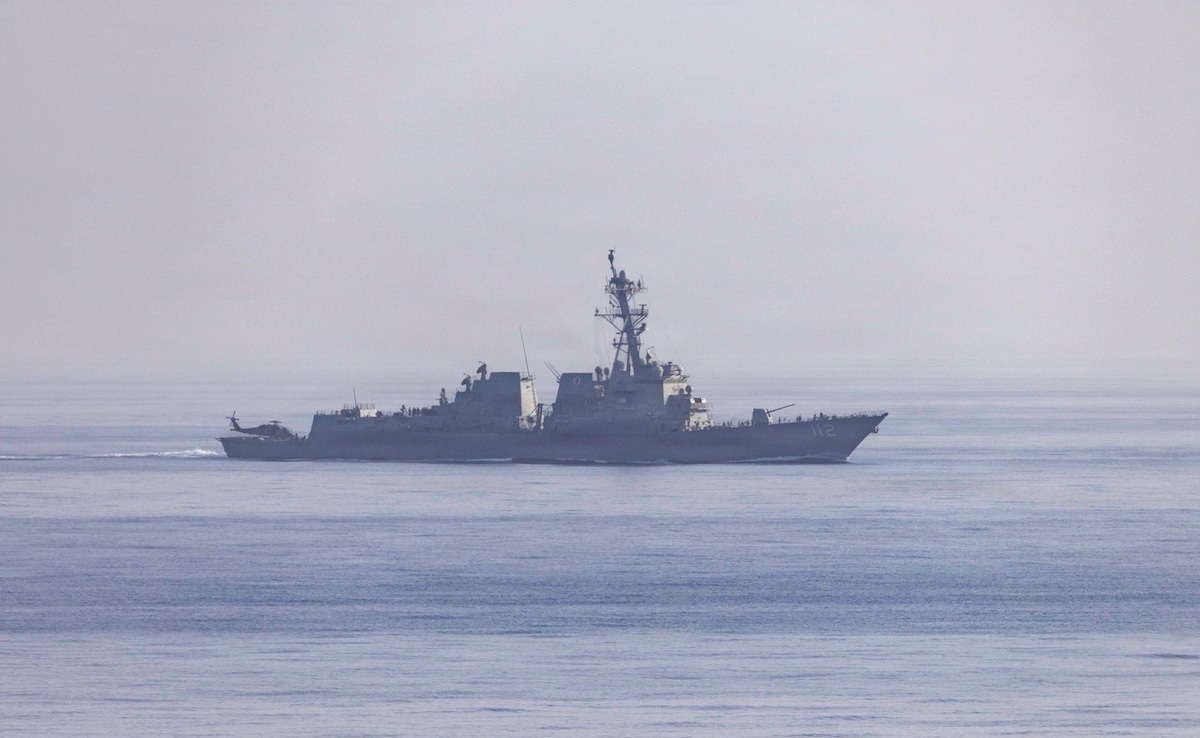
The Strait of Hormuz is the most critical maritime artery in the global energy trade. However, its proximity to Iranian naval assets creates a "Geographic Tax" on all trade in the region. A blockade or active kinetic conflict does more than stop oil; it re-routes the global fleet.
- Insurance Risk Premiums: War risk insurance for bulk carriers can increase by 500% to 1000% within 48 hours of a maritime incident.
- Vessel Scarcity: As ships take longer, more expensive routes to avoid the Gulf, the effective global shipping capacity shrinks.
- The Breadbasket Bottleneck: While Iran is not a primary grain exporter, the diversion of global shipping resources to manage the energy crisis creates a secondary shortage of bulk carriers available to move grain from the Black Sea or the Americas to the Global South.
3. Currency Devaluation and Import Parity
For food-importing nations, the crisis is experienced through the lens of Imported Inflation. Most global food commodities are priced in U.S. Dollars. During periods of geopolitical instability involving Iran, the "flight to safety" strengthens the Dollar while weakening the currencies of emerging markets. This creates a "Scissors Effect": the global price of wheat rises in USD while the local currency’s purchasing power falls. The result is an inability for state-run grain boards to fulfill tenders, leading to empty national silos.
Quantifying the Vulnerability Gap
The severity of the hunger risk is not uniform. It is concentrated in nations that exhibit high scores in the Food Vulnerability Index (FVI), which evaluates three specific variables:
- Net Food Import Dependency: Countries like Egypt, Lebanon, and Yemen import over 70% of their caloric needs. They have no internal cushion against global price swings.
- Fiscal Headroom: Nations with high debt-to-GDP ratios cannot afford to subsidize bread prices when global costs soar. When subsidies fail, social unrest follows—a phenomenon observed during the 2011 Arab Spring.
- Caloric Concentration: Diets heavily reliant on a single staple (e.g., wheat) are more susceptible to price shocks than diversified diets.
The Fertilizer Feedback Loop
The World Bank’s warning centers heavily on the disruption of the nitrogen cycle. Iran is a significant producer of urea and ammonia. Beyond its own production, the regional instability threatens the massive fertilizer hubs in Qatar and Saudi Arabia.
Nitrogen-based fertilizer is the single greatest variable in global crop yields. The loss of Persian Gulf petrochemical exports doesn't just make food more expensive to move; it makes it harder to grow.
- Phase 1: Natural gas prices spike due to Gulf instability.
- Phase 2: European and Asian fertilizer plants shutter because they are no longer profitable.
- Phase 3: Smallholder farmers in Africa and Southeast Asia skip a fertilizer cycle.
- Phase 4: Harvest yields drop by 20-40%, leading to domestic shortages in the subsequent year.
This feedback loop is what economists refer to as a Lagged Supply Shock. The hunger isn't felt when the first missile is fired; it is felt eighteen months later when the harvest that was never fertilized fails to appear.
The Strategic Failure of "Just-in-Time" Food Security
The current global food architecture is built on the "Just-in-Time" (JIT) delivery model. This model prioritizes efficiency and low storage costs over resilience. Most nations maintain less than 60 to 90 days of grain reserves.
In a conflict scenario involving Iran, the JIT model collapses. The market shifts from a logic of Efficiency to a logic of Hoarding.
- Export Bans: Fearful of domestic riots, grain-producing nations (like India or Russia) often implement export bans to secure their own supplies.
- Speculative Buffering: Commodity traders buy up futures, driving prices higher than the actual supply shortage justifies.
This behavior creates an "Artificial Scarcity" that is just as lethal as a physical shortage. The World Bank's role in this context is to act as a lender of last resort to prevent the financial collapse of food-importing states, but their capital is often insufficient to compete with the purchasing power of wealthier, hoarding nations.
Analytical Framework for Risk Mitigation
To move beyond the vague "warning" issued by the World Bank, we must look at the specific levers of resilience.
Decentralized Strategic Reserves
Nations must move away from centralized silos toward a decentralized network of smaller, regionally distributed grain reserves. This reduces the risk of a single point of failure and lowers the logistical cost of distribution during an energy crisis.
The Shift to Non-Synthetic Inputs
The reliance on Gulf-produced nitrogen is a strategic liability. Investing in bio-stimulants, nitrogen-fixing cover crops, and precision agriculture is no longer just an environmental goal; it is a national security imperative to decouple food production from the Persian Gulf energy complex.
Multilateral Food Financing Facilities
The creation of a pre-funded, rapid-response credit line for food imports—separate from general IMF or World Bank funds—would allow vulnerable nations to lock in food purchases before speculative bubbles peak during the onset of conflict.
The risk of hunger stemming from an Iranian conflict is not an act of God, but a predictable consequence of a global food system that has traded resilience for margin. The "Hunger Risk" is the interest payment on that trade-off coming due. To prevent the collapse of social orders across the Global South, the strategy must shift from monitoring the price of wheat to hardening the infrastructure of its production and delivery.
The immediate priority for global stakeholders is the establishment of maritime "Blue Corridors" for grain and fertilizer, ensuring that even in a kinetic conflict, the fundamental elements of human survival are treated as neutral cargo, immune from the premiums of war insurance and the blockades of regional powers. Failure to decouple caloric survival from geopolitical posturing ensures that every localized conflict in a resource-rich region becomes a global humanitarian catastrophe.