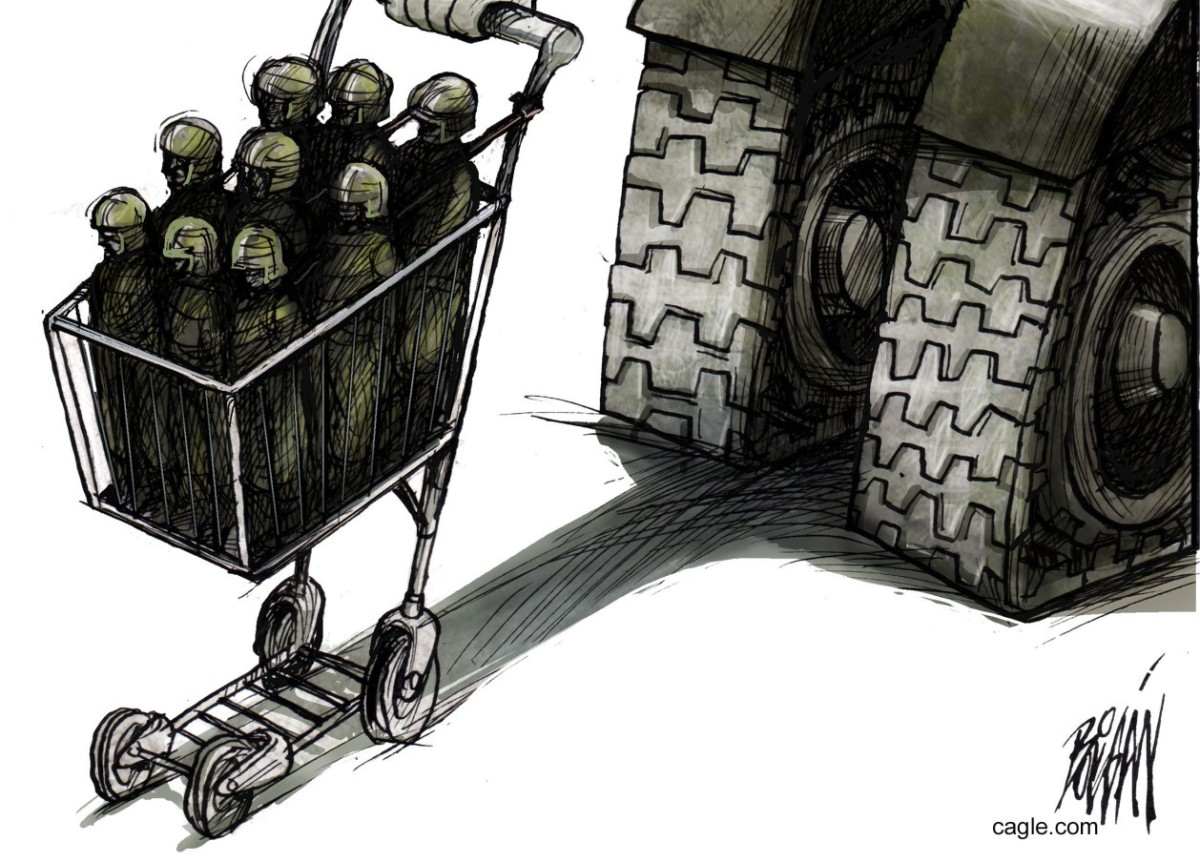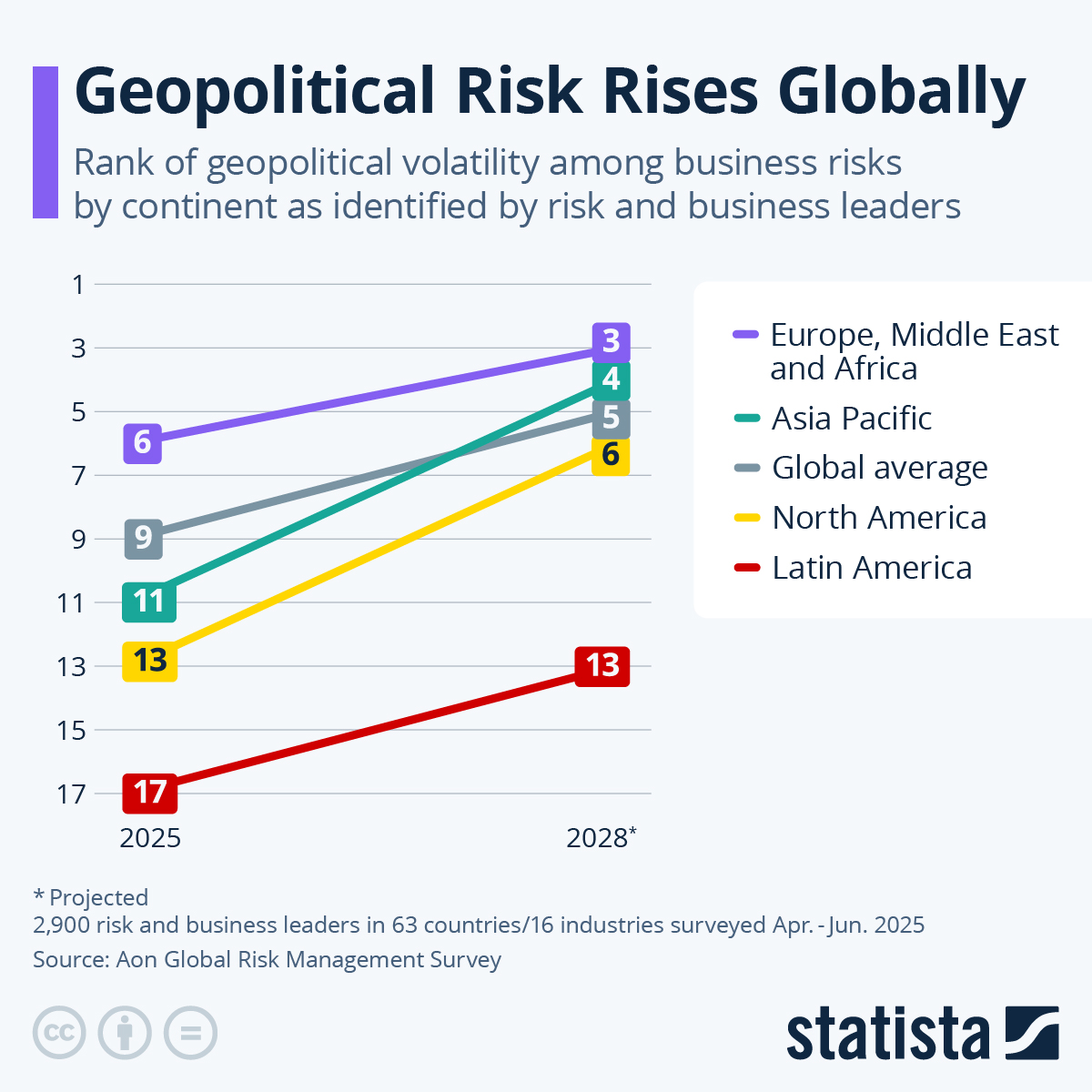
Canadian trade policy currently operates within a tightening pincer of "friend-shoring" protectionism from the United States and the coercive gravity of Chinese market access. Prime Minister Justin Trudeau’s recent admissions regarding the 2018-2021 period highlight a critical failure in middle-power diplomacy: the inability to hedge against the economic nationalism of traditional allies. When the United States and Europe utilize trade barriers—ostensibly directed at global rivals—as blunt instruments against integrated partners, they inadvertently subsidize the expansion of Chinese soft power.
The Mechanism of Induced Pivot
The Canadian "pivot" toward China was not a philosophical preference but a response to a specific set of economic stressors. This can be mapped through a Dependency Transfer Model. When the United States (under the Trump administration’s Section 232 tariffs on steel and aluminum) and Europe (through regulatory and protectionist hurdles) constricted Canadian export liquidity, they lowered the opportunity cost of engagement with Beijing.
- Market Access Restriction: U.S. tariffs on Canadian raw materials created a localized surplus, depressing prices and forcing Canadian producers to seek alternative global buyers.
- The Capital Void: With Western capital increasingly tied to domestic-first industrial policies (Inflation Reduction Act precursors), Canadian infrastructure and resource extraction projects faced a financing gap that Chinese state-owned enterprises (SOEs) were eager to fill.
- Diplomatic Leverage Asymmetry: China identifies "excluded" Western partners as high-value targets for economic statecraft. By offering market stability at the price of political silence, Beijing exploits the friction between Western allies.
The Architecture of the Two Michaels Crisis
The detention of Michael Spavor and Michael Kovrig serves as the definitive case study in the risks of Triangular Asymmetry. Canada found itself executing a U.S. legal mandate (the extradition of Meng Wanzhou) while bearing 100% of the retaliatory cost from China, with zero compensatory protection from the United States.
The structural failure here was Canada’s reliance on a "values-based" alliance that lacked an "economic-defense" clause. While the U.S. demanded adherence to its sanctions regime against Huawei, it simultaneously maintained tariffs on Canadian commodities. This created a negative sum game for Ottawa:
- Political Cost: Alienation of a massive growth market (China).
- Economic Cost: Continued trade friction with its largest partner (USA).
- Social Cost: The prolonged detention of citizens without a reciprocal pressure mechanism from the U.S. or Europe to secure their release.
Quantifying Coercion via Trade Concentration
Canada’s vulnerability is a direct function of its Trade Concentration Index. Approximately 75% of Canadian exports are destined for the United States. This concentration creates a "captured supplier" dynamic. When the U.S. shifts toward protectionism, Canada lacks the mid-term agility to reroute its supply chains without massive capital loss.
China recognizes this bottleneck. Their strategy involves "Strategic Market Opening"—offering targeted relief for specific Canadian sectors (such as agricultural products or minerals) exactly when those sectors are being squeezed by U.S. or European regulations. This is not trade; it is the acquisition of geopolitical debt.
The European Regulatory Barrier
While the U.S. utilizes tariffs, the European Union utilizes the Technical Barrier to Trade (TBT). Stringent environmental mandates and protectionist labeling on Canadian energy and agricultural products often act as a de facto embargo. When Canada is locked out of the "Green Europe" market, the path of least resistance leads to Asian markets where environmental scrutiny is decoupled from market entry. This creates a divergence where Canadian industry must choose between expensive Western compliance or high-volume Eastern demand.
The Critical Mineral Bottleneck
The current global race for critical minerals (lithium, graphite, nickel) exposes the hypocrisy of Western economic coercion. The United States and Europe have pressured Canada to "de-risk" its mineral supply chains from Chinese investment. However, neither the U.S. nor the EU has provided the requisite investment to match the scale of Chinese capital.
This creates an Investment Stagnation Trap:
- Canada bans Chinese investment in its junior mining firms.
- Western venture capital remains risk-averse or focused on domestic U.S./EU projects.
- Canadian resource development slows, reducing the global supply of transition minerals.
- The resulting scarcity drives prices up, benefiting existing Chinese-controlled supply chains elsewhere.
The "almost" in Trudeau’s statement—that Canada almost fell into China’s arms—suggests a narrow escape, but the underlying structural deficit remains. Canada is being asked to participate in a Cold War-style decoupling without the Marshall Plan-style economic support that characterized the 20th-century alliance.
Strategic Divergence in Global South Relations
Canada's struggle reflects a broader trend among middle powers. When the G7 fails to coordinate its economic defensive measures, it forces "neutral" or "swing" states into bilateral agreements with China. The logic is purely mathematical: if the Net Present Value (NPV) of an alliance with the West becomes negative due to tariffs and regulatory burdens, the state must seek an alternative to maintain domestic stability.
The "Three Pillars of Economic Sovereignty" for a middle power are:
- Reciprocal Market Immunity: Agreements that prevent "friendly fire" tariffs during periods of global tension.
- Sovereign Wealth Diversification: Reducing reliance on U.S. dollar-denominated trade for resource exports.
- Security-Trade Decoupling: Ensuring that legal or security cooperation (like the Meng Wanzhou case) triggers automatic economic support from the requesting ally.
The Failure of the "Rules-Based Order"
The rhetoric of a "rules-based international order" collapsed when the U.S. bypassed the WTO to impose steel tariffs on Canada. This signaled that the rules were subordinate to domestic political cycles in Washington. For Canada, this meant the "rules" only applied when they benefited the hegemon.
The consequence is a permanent shift in Canadian strategic thinking. Ottawa can no longer assume that its proximity to the U.S.—geographically, culturally, and economically—guarantees security. The threat of "economic coercion" is now viewed as a multi-directional force, coming from both Beijing and Washington.
Reconfiguring the Canadian Economic Perimeter
To survive the next decade of fragmentation, Canada must move beyond the reactive posture described by Trudeau. The strategy must shift toward Aggressive Multilateralism that bypasses the U.S.-China binary.
- CPTPP Acceleration: Rapidly expanding the Comprehensive and Progressive Agreement for Trans-Pacific Partnership to include more ASEAN nations, creating a "Third Way" for Canadian exports that does not pass through the U.S. or China.
- Infrastructure As Leverage: Nationalizing the security of critical mineral corridors to ensure that even if Western capital is slow, the resources remain under Canadian control rather than being auctioned to the highest bidder during a domestic crisis.
- Regulatory Harmonization with the EU: Moving past the current friction by adopting high-standard environmental data tracking that makes Canadian energy and agriculture "un-bannable" by European regulators.
The realization that Canada was nearly driven into a strategic alignment with China should serve as a systemic alarm. It reveals that the Western alliance is currently suffering from a coordination failure. Without a formal mechanism to protect integrated partners from the fallout of superpower competition, the U.S. and Europe will continue to inadvertently push their most reliable allies toward their greatest rivals.
The final strategic play for Canada is not a choice between the U.S. or China, but the aggressive development of a Shielded Autonomy. This requires building the domestic industrial capacity to process its own raw materials, thereby moving up the value chain. By exporting finished battery components or refined metals rather than raw ore, Canada reduces its vulnerability to raw commodity tariffs and creates a product that both the U.S. and Europe are too desperate for to ever exclude from their markets.