The designation of Iran as a state sponsor of wrongful detention represents a shift from viewing hostage-taking as an isolated criminal act to treating it as a formalized asset class within an authoritarian diplomatic portfolio. By codifying this behavior through the Robert Levinson Hostage Recovery and Hostage-Taking Accountability Act, the U.S. government is attempting to price out the utility of human capital as a bargaining chip. This strategic pivot recognizes that for the Iranian apparatus, the detention of foreign nationals is not a series of logistical accidents but a calculated mechanism to bypass traditional diplomatic bottlenecks and secure liquid or political concessions.
The Tripartite Architecture of State-Sanctioned Detention
To analyze the Iranian model of wrongful detention, one must move past the surface-level narrative of legal disputes and examine the three structural pillars that support the practice.
- Judicial Asymmetry: The Iranian legal system functions as a controlled environment where the definition of national security is elastic. This elasticity allows for the "legalization" of detention through broad espionage or "collaboration with a hostile state" charges. The goal is to provide a veneer of due process that complicates the intervention of international bodies.
- The Leverage Multiplier: A detainee’s value is not static; it is a function of their nationality, professional background, and the domestic political pressure their home country faces. High-value targets—such as academics, journalists, or dual-citizens—are selected specifically because their detention triggers a predictable response cycle in Western democracies, forcing the hand of foreign ministries.
- The Transactional Exit: Unlike traditional criminal justice, where the end state is a sentence served, the end state of wrongful detention in Iran is almost always a negotiated swap. Whether the currency is frozen assets, the release of Iranian operatives held abroad, or policy concessions, the detention serves as a placeholder for a future transaction.
Quantifying the Incentives of the Levinson Act
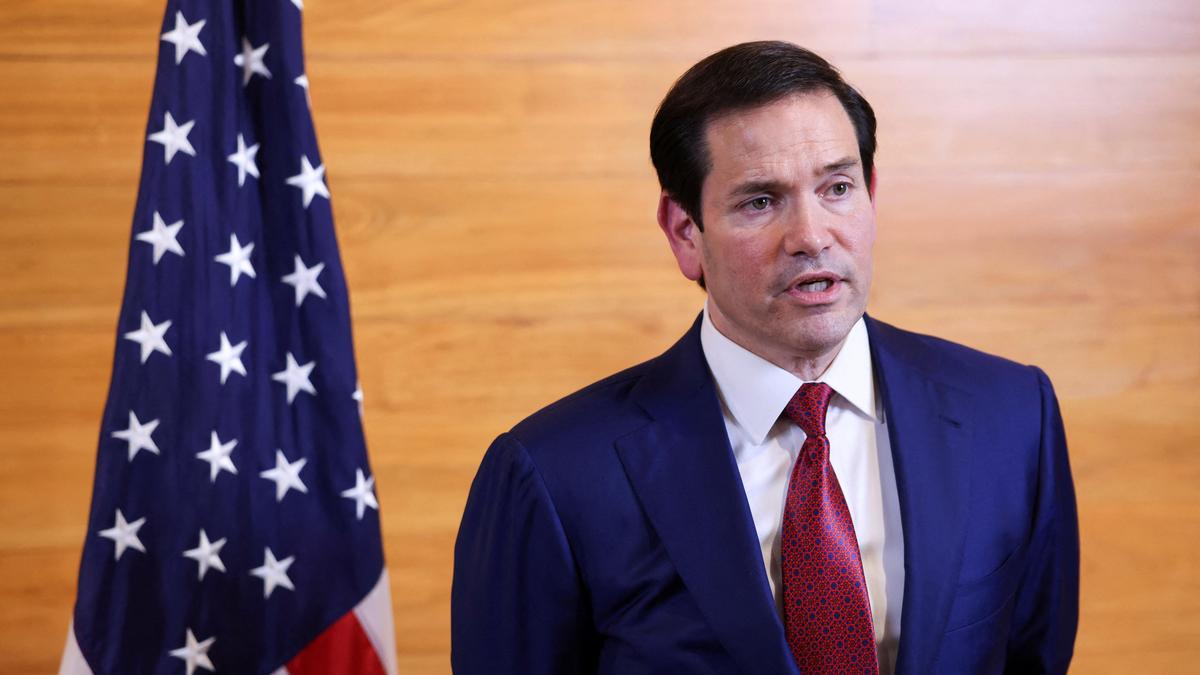
The recent push by Senator Marco Rubio and other legislators to apply the "state sponsor of wrongful detention" label seeks to disrupt the cost-benefit analysis of the Iranian Revolutionary Guard Corps (IRGC). This designation triggers a series of mandatory reporting and sanctioning mechanisms designed to increase the "holding cost" of a detainee.
The efficacy of such a designation depends on its ability to impact two specific variables:
- Reputational Friction: By labeling the state as a "sponsor" of these acts, the U.S. creates a high-risk environment for third-party entities—specifically financial institutions and logistics firms—that might otherwise facilitate trade with Iran. The designation signals that the risk of secondary sanctions is no longer tied just to nuclear or terror concerns, but to the very act of maintaining presence in the territory.
- Operational Insulation: Sanctions targeted at the specific individuals and departments within the Iranian Intelligence Ministry (MOIS) and the IRGC aim to degrade their ability to operate internationally. This creates a personal cost for the actors involved in the "catch and trade" cycle, potentially de-incentivizing the lower-level execution of these policies.
However, the primary limitation of this framework is the "sunk cost" logic of the Iranian regime. Once a high-profile detention occurs, the regime has already incurred the initial diplomatic damage. At that point, the incentive shifts entirely toward holding the asset until a maximum-value trade is reached, as any early or un-monetized release would signal a lack of resolve and a failure of the statecraft strategy.
The Counter-Leverage Strategy and the Deterrence Gap
The current policy debate around Iran's designation highlights a critical gap in Western deterrence models: the inability to prevent the initial act of detention through purely economic or diplomatic means.
The Iranian strategy relies on the fact that for a Western government, the return of a citizen is a humanitarian priority, while for the Iranian state, the citizen is a depreciating asset. To bridge this deterrence gap, the U.S. and its allies must focus on three core areas:
- Multilateral Collective Defense: Individual bilateral negotiations (e.g., U.S.-Iran, U.K.-Iran) allow for the "siloing" of detainees. A unified coalition that automatically triggers a pre-determined suite of collective sanctions across all member states the moment any G7 citizen is wrongfully detained would theoretically increase the cost function of the detention beyond any potential payout.
- Asset Seizure and Liquidated Damages: Transitioning from passive sanctions to the active seizure of Iranian state assets—specifically those held in escrow or neutral territories—to be used as liquidated damages for the families of the wrongfully detained. This transforms the detainee from a potential source of revenue into a guaranteed financial liability for the Iranian central bank.
- The Travel and Operational Perimeter: Restricting the movement of Iranian officials and their families into territories where they might benefit from the same international legal protections they deny to foreign nationals. This creates a reciprocal personal cost, targeting the lifestyle and security of the regime's decision-makers rather than just the state’s macro-economy.
The Iranian government’s use of the judiciary as a functional arm of its intelligence services is a sophisticated adaptation to the rules of the international order. It exploits the legal processes and humanitarian values of democratic societies to generate leverage. This is why the Rubio-led efforts focus on the state as a sponsor, rather than just individual actors. By identifying the state as the ultimate beneficiary of these acts, the U.S. is signaling that the era of treating these as "legal disputes" or "consular cases" is over.
The strategic play must now focus on the "liquidity of the hostage market." If the Iranian regime perceives that the market for human leverage is no longer producing a net positive return—either because the assets are frozen or because the cost of the trade exceeds the value of the concession—the practice will theoretically decline. The immediate tactical move for the U.S. State Department is to use the Levinson Act's new authorities to aggressively sanction the supply chain of these detentions, targeting the specialized units within the IRGC Intelligence Organization that handle the arrest, interrogation, and psychological management of foreign assets. This is the only way to disrupt the operational lifecycle of a state-sponsored wrongful detention before it becomes a permanent diplomatic stalemate.