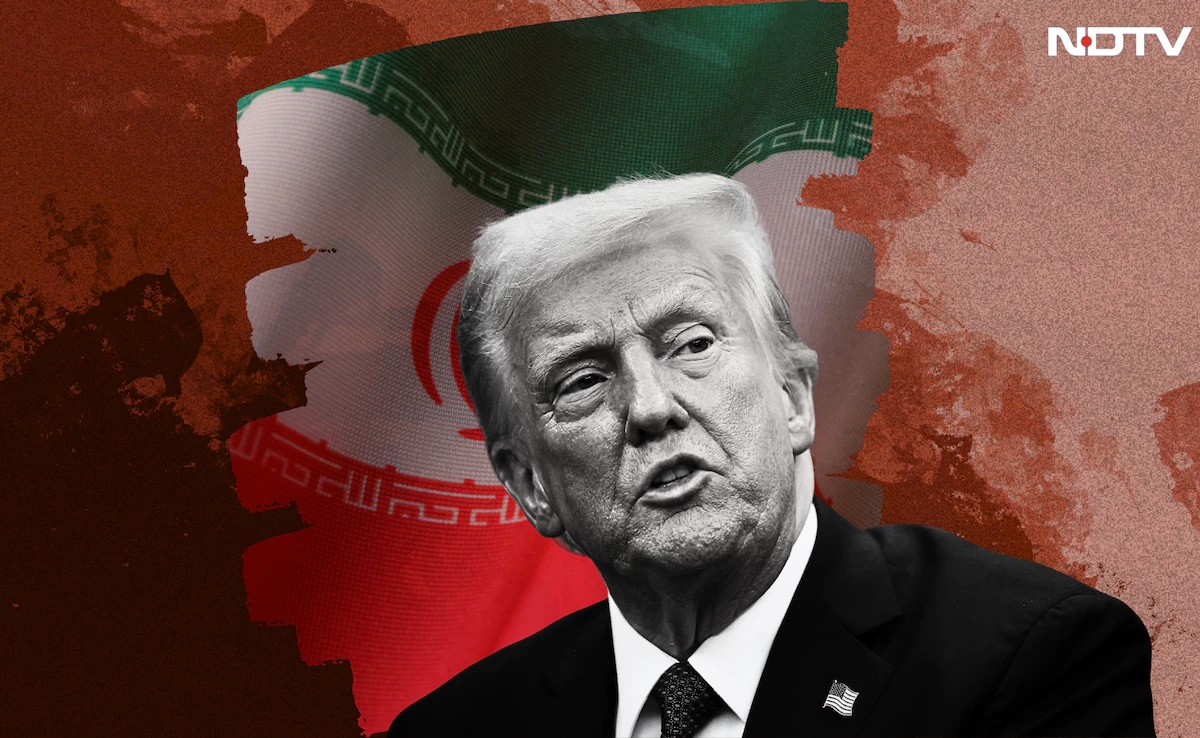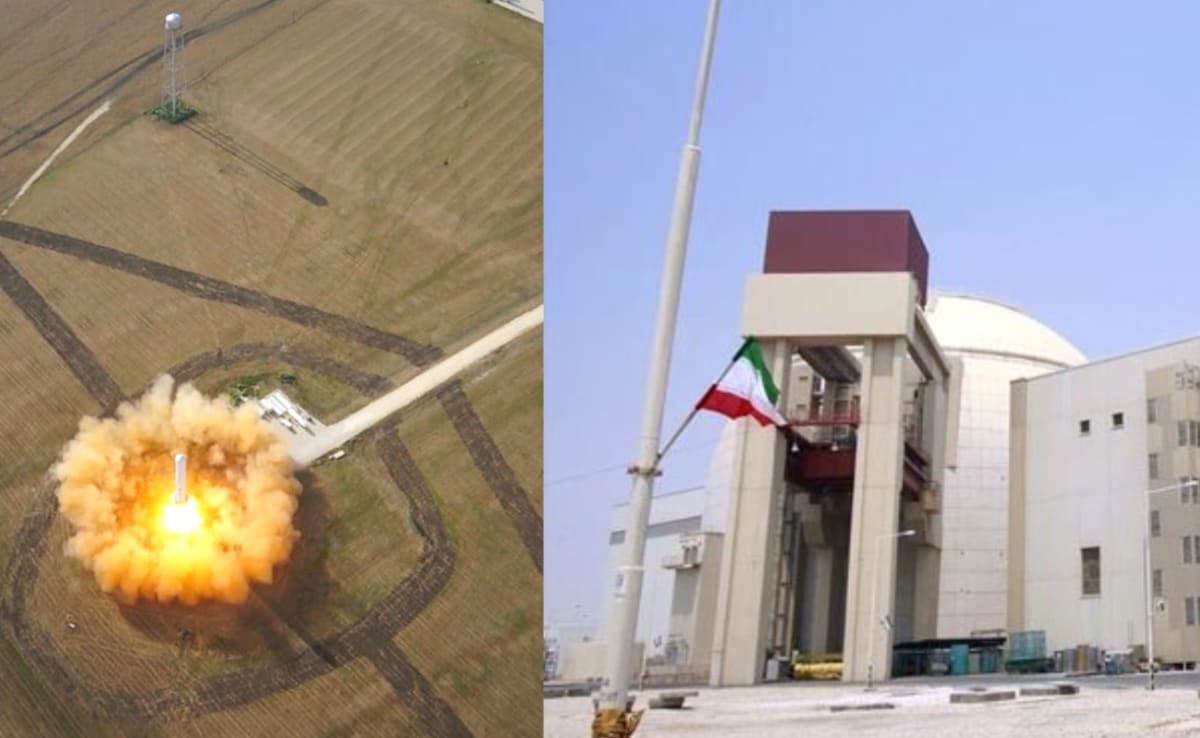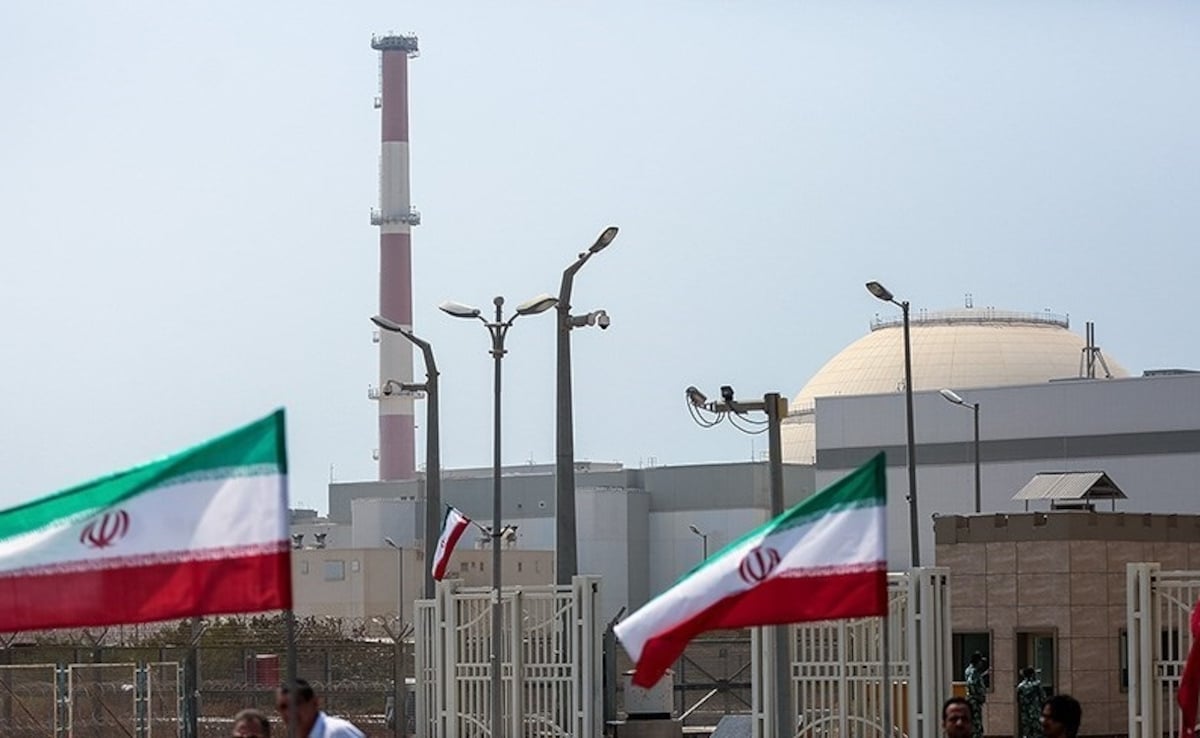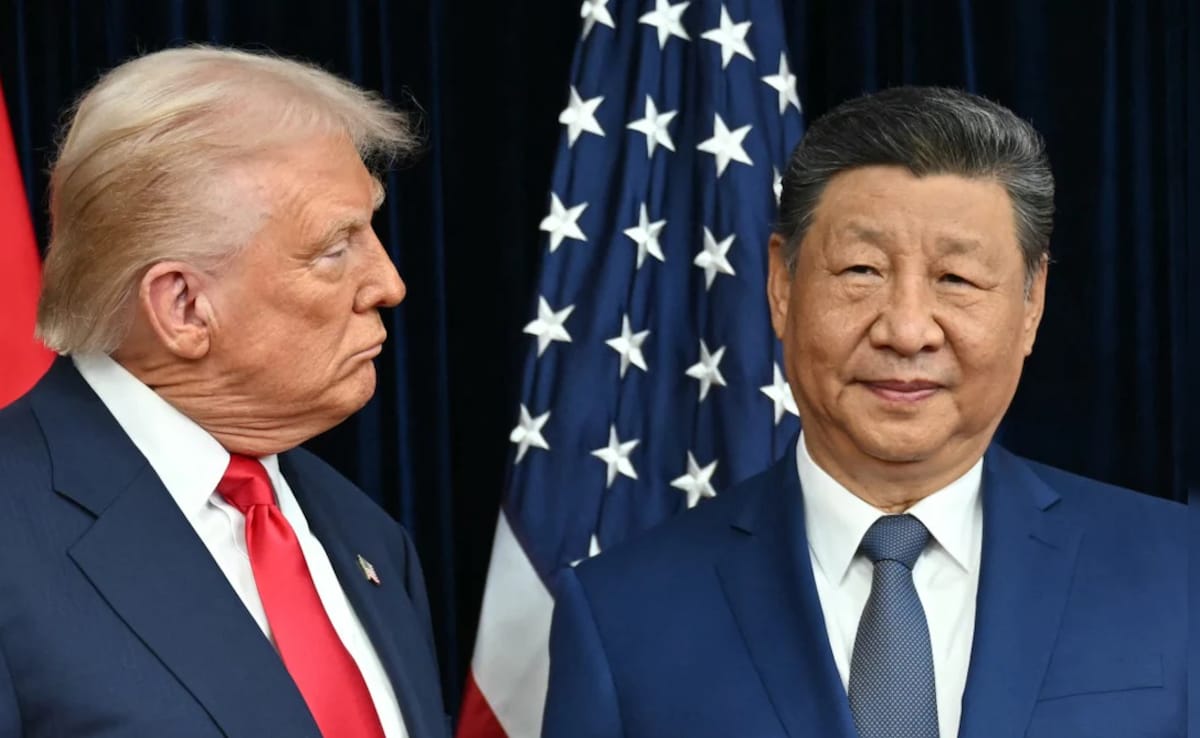
The postponement of the summit between President Trump and President Xi Jinping, now recalibrated for May 14-15 following the kinetic disruptions of the Iran conflict, represents more than a calendar shift. It signifies a forced realignment of the "Three Pillars of Strategic Friction": the Semiconductor Sovereignty gap, the Currency Stability Index, and the Energy Security Pivot. While surface-level analysis focuses on the optics of the meeting, the true inflection point lies in the systemic "Restoration Cost"—the period during which both nations must recalculate their leverage in a post-conflict environment.
The Kinetic Delay and the Risk Premium
The delay caused by the Iran war introduced a volatility tax on global markets that neither Washington nor Beijing anticipated. In macroeconomic terms, this is defined as the Geopolitical Risk Overlay. When state-level actors are forced to pivot resources toward a hot theater (Iran), the diplomatic bandwidth for complex trade negotiations narrows.
The May 14-15 window is not an arbitrary selection; it aligns with the end of the second fiscal quarter's initial planning phase, providing a 60-day buffer to evaluate the "Post-Iran Equilibrium." During this delay, the cost of credit and the price of crude oil have fluctuated beyond the standard deviation of the previous three years. This shift forces a revision of the baseline trade agreements, specifically regarding China’s commitment to purchasing American energy exports.
The Semiconductor Sovereignty Gap
A primary driver of the May summit is the resolution of the "Silicon Bottleneck." This involves a binary tension between the United States' export controls and China's "Made in China 2025" logic. The delay has allowed China to accelerate its domestic lithography programs, potentially narrowing the lead-time advantage held by American firms.
The structural logic of this negotiation follows a specific cost function:
- The R&D Burn Rate: For every month the trade status remains in limbo, American firms lose a percentage of their addressable market in the Pearl River Delta.
- The Substitution Effect: Chinese state-owned enterprises (SOEs) are forced to iterate on "good enough" domestic alternatives, which creates a long-term path dependency away from Western standards.
- The Intellectual Property (IP) Arbitrage: The current lack of a signed framework allows for gray-market technology transfers that both sides are currently powerless to regulate effectively.
The Energy Security Pivot and the Middle East Variable
The Iran conflict fundamentally altered the "Energy-for-Access" equation. Previously, the U.S. sought to reduce its trade deficit by exporting massive quantities of Liquified Natural Gas (LNG) to China. However, the instability in the Strait of Hormuz has forced Beijing to rethink its reliance on sea-borne energy routes.
Beijing’s strategic logic now prioritizes the "Continental Energy Shield." This involves diversifying supply lines through Central Asia and Russia to mitigate the risk of a U.S. naval blockade. For the May 14-15 summit to succeed, the U.S. must offer energy guarantees that outperform the reliability of these overland alternatives. The negotiation is no longer about price; it is about the "Security-of-Supply Coefficient."
The Currency Stability Index
The delay has placed immense pressure on the CNY/USD exchange rate. Currency markets hate a vacuum, and the lack of a definitive trade agreement has led to increased speculative shorting of the Yuan.
- The Liquidity Trap: If China devalues the Yuan to offset tariffs, it risks a massive capital flight.
- The Treasury Weaponization: Any move by Beijing to divest from U.S. Treasuries to support the Yuan during the delay creates a feedback loop of rising interest rates in the U.S., which in turn makes American exports more expensive.
This creates a "Nash Equilibrium" where neither side can move aggressively without triggering a systemic collapse. The May summit serves as the mechanism to reset these expectations and establish a "Currency Corridor" that prevents accidental escalation.
Logistics of the Beijing Summit: The May 14-15 Framework
The choice of Beijing as the venue is a significant tactical concession by Washington, likely traded for specific "Structural Reform" promises from the Xi administration. The two-day window suggests a "Split-Session Protocol":
- Day One: The Hard-Asset Audit. This session will likely focus on quantifiable metrics—the exact dollar amounts of agricultural and energy purchases. The objective is "Deficit Reduction" via direct state intervention.
- Day Two: The Systematic Integration. This session will tackle the more complex "Invisible Barriers," including state subsidies for tech firms, cybersecurity protocols, and the "Great Firewall" impact on Western service providers.
The Failure Rate of Strategic Ambiguity
Strategic ambiguity, once a tool for diplomatic flexibility, has become a liability. The delay caused by the Iran war proved that external shocks can easily derail fragile bilateral agreements. For the May 14-15 summit to result in a durable treaty, both leaders must move toward "Hard-Coded Compliance."
This involves shifting from "Memorandums of Understanding" to "Verifiable Enforcement Mechanisms." If the U.S. cannot verify that China is dismantling its predatory IP practices, the "Enforcement Trigger" must be automatic and non-negotiable. This removal of human discretion from the trade enforcement process is the only way to insulate the agreement from future geopolitical shocks.
The Cost of the "Beijing Consensus"
The risk for the Trump administration in Beijing is the perception of a "Photo-Op Resolution." If the May summit produces only a temporary truce without addressing the underlying structural divergence of the two economies, the markets will price in a "V-Shaped Volatility" return by Q4.
The "Restoration Cost" of this delay includes:
- Opportunity Cost of Capital: Billions in stalled FDI (Foreign Direct Investment) due to policy uncertainty.
- Supply Chain Decoupling: The irreversible movement of manufacturing from China to Vietnam, India, and Mexico, which reduces China's leverage in future negotiations.
- Alliance Erosion: The difficulty for third-party nations (The EU, Japan, South Korea) to align their trade policies while the two largest economies are in a state of suspended animation.
The strategic play for stakeholders is to ignore the rhetoric of "friendship" and "mutual respect" that will inevitably characterize the press releases. Instead, monitor the "Baseline Volume" of LNG contracts and the specific wording regarding "Technological Neutrality" in the final communique. These are the only metrics that will determine if the May 14-15 summit is a genuine realignment or merely a tactical pause in an ongoing systemic rivalry.
The immediate move for institutional investors and supply chain managers is to hedge against a "No-Agreement Alpha." This involves diversifying Tier 2 and Tier 3 suppliers away from the direct line of fire of the "Silicon Bottleneck" while maintaining enough liquidity to capitalize on the sudden market opening that a successful Beijing summit would provide. The window between now and May 14 is the period of maximum risk and, conversely, maximum asymmetric opportunity.