The Timeline Friction
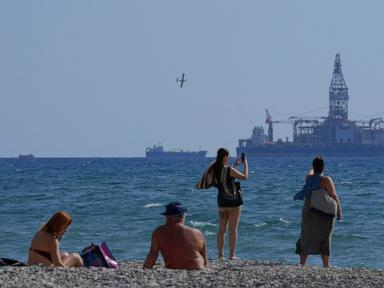
ExxonMobil intends to bring natural gas from Cyprus’s offshore Block 10 to market by 2033. This target, while presented as a milestone for European energy security, reveals a massive gap between political rhetoric and engineering reality. Ten years is an eternity in global energy markets. By the time first gas flows from the Glaucus discovery, the European Union’s energy infrastructure, regulatory framework, and demand profiles will be fundamentally unrecognizable.
The primary delay stems from a simple, unyielding reality. Eastern Mediterranean deepwater extraction is incredibly complex and lacks existing export infrastructure. Discovered in 2019, the Glaucus field holds an estimated 5 to 8 trillion cubic feet of natural gas. Yet, five years after the initial drill bit hit the reservoir, a definitive development plan remains elusive. Energy majors are not moving slowly because they lack capital. They are moving slowly because the financial risks are staggering.
To understand why a 2033 timeline is wildly optimistic, look at the mechanics of deepwater infrastructure. ExxonMobil and its partner, QatarEnergy, cannot simply hook a pipe to the wellhead and turn a valve. They face a fundamental choice: construct a multi-billion-dollar floating liquefied natural gas (FLNG) facility directly over the field, or build an underwater pipeline to an existing onshore liquefaction plant. Both options present massive financial obstacles. Egypt possesses underutilized liquefaction plants at Idku and Damietta, but routing Cypriot gas through Egyptian infrastructure introduces a layer of sovereign risk that corporate boards find difficult to stomach.
Meanwhile, Europe’s gas demand is shrinking. The European Union’s climate mandates dictate a systematic reduction in fossil fuel consumption over the next decade. If Cyprus cannot deliver its gas until 2033, it may find its primary target market has already moved on. The infrastructure built to extract these resources risks becoming a stranded asset before the first invoice is even cleared.
The Infrastructure Deadlock
Energy infrastructure requires absolute geopolitical stability to justify its upfront capital expenditure. The Eastern Mediterranean possesses none of it. For decades, regional actors have used maritime boundaries as proxies for older, deeper conflicts. Cyprus sits directly in the crosshairs of these disputes.
The Turkish Maritime Challenge
Ankara does not recognize the Exclusive Economic Zone (EEZ) declared by the Republic of Cyprus. Turkey asserts its own continental shelf claims that overlap significantly with Cyprus’s offshore blocks, and it backs the counterclaims of the Turkish Republic of Northern Cyprus. This is not a theoretical legal debate. It is an active naval standoff. In recent years, Turkish warships have intercepted exploration vessels authorized by Nicosia.
Eastern Mediterranean Export Options and Constraints
┌───────────────────────┬───────────────────────────┬───────────────────────────┐
│ Export Route          │ Capital Expenditure (Est) │ Primary Risk Factor       │
├───────────────────────┼───────────────────────────┼───────────────────────────┤
│ Floating LNG (FLNG)   │ $5B - $7B                 │ High technical complexity │
├───────────────────────┼───────────────────────────┼───────────────────────────┤
│ Pipeline to Egypt     │ $2B - $3B                 │ Sovereign/political risk  │
├───────────────────────┼───────────────────────────┼───────────────────────────┤
│ Pipeline to mainland  │ $6B+                      │ Turkish maritime veto     │
└───────────────────────┴───────────────────────────┴───────────────────────────┘
ExxonMobil operates with a level of diplomatic protection that smaller independent explorers do not enjoy. Washington’s geopolitical weight shields the American major from direct harassment. However, that shield only extends to exploration and appraisal. When the time comes to lay thousands of miles of permanent pipelines across contested seabeds, international law and naval posturing will collide. No consortium of international banks will finance a pipeline that a hostile regional navy can legally or physically disrupt.
The Failure of the EastMed Pipeline
The now-dormant EastMed Pipeline project serves as a cautionary tale for the region. Intended to connect Israeli and Cypriot fields directly to Greece and Italy, the project was hailed as a geopolitical masterpiece. It was a commercial fantasy. The pipeline required crossing some of the deepest, most seismically active waters in the Mediterranean, driving projected costs beyond $6 billion.
The project collapsed when the United States withdrew its diplomatic support, citing both economic unviability and environmental concerns. The real reason was simpler. The project was a provocation to Turkey that offered too little reward for the massive financial risk involved. Cyprus cannot rely on regional pipelines to solve its export dilemma.
The Financial Equation Shifts
The global LNG market will look completely different by the early 2030s. A massive wave of new supply from Qatar and the United States is scheduled to hit the water before 2030. This supply boom threatens to depress global gas prices precisely when Cyprus needs high margins to recoup its massive deepwater development costs.
"Deepwater projects require sustained high prices to clear internal rate of return thresholds. When cheap US shale and massive Qatari expansions hit the market simultaneously, expensive offshore projects get pushed down the queue."
ExxonMobil is running a portfolio management exercise. The company’s Permian Basin assets in the United States offer quick capital turnaround and predictable returns. Its projects in Guyana provide massive, world-class oil reserves with highly favorable fiscal terms. Compared to these cash cows, a deepwater gas project in a politically volatile Mediterranean sea looks less like a core asset and more like a long-term option that can be deferred whenever capital budgets tighten.
The Fiscal Burden on Nicosia
Cyprus lacks the financial muscle to build this infrastructure itself. The state-owned energy company, CHC, cannot fund equity shares in multibillion-dollar LNG projects without taking on catastrophic levels of national debt. Nicosia is entirely dependent on the goodwill and capital allocation strategies of foreign multinationals.
This creates a stark imbalance of power. Every time the Cypriot government attempts to negotiate higher state revenues or stricter development timelines, the operators can simply threaten to slow-walk the project. The state is trapped in a loop of endless appraisal drills and revised timelines, while the actual resource remains locked beneath thousands of feet of water and rock.
Environmental Regulations Take Toll
The European Green Deal is not just a collection of aspirational statements. It is a legally binding framework that is actively reshaping capital allocation across the continent. By 2030, the EU aims to cut greenhouse gas emissions by at least 55 percent compared to 1990 levels. By 2050, the goal is net-zero emissions.
Natural gas was once viewed as the indispensable bridge fuel that would ease the transition from coal to renewables. That bridge is shortening rapidly. European industrial consumers are electrifying at an accelerated pace, and heat pumps are replacing residential gas boilers across northern Europe.
Carbon Pricing and Border Adjustments
The EU’s Carbon Border Adjustment Mechanism (CBAM) and the tightening allowances of the Emissions Trading System (ETS) mean that any gas entering Europe in the 2030s will carry a heavy financial penalty if its extraction and transport emissions are high. Deepwater extraction, which requires significant energy to pump gas from extreme depths and transport it long distances, starts with a distinct disadvantage.
If ExxonMobil chooses the FLNG route, the carbon footprint of liquefying gas at sea, storing it, shipping it via specialized vessels, and then regasifying it at a European port will make that gas highly vulnerable to carbon taxation. The economic viability of Block 10 assumes a market willing to buy fossil fuels at premium prices. That market is dying.
The Regional Realignment
Cyprus cannot view its energy future in isolation from its neighbors. Israel and Egypt have already established an operational, if fragile, energy ecosystem. Israel exports gas from its Leviathan and Tamar fields to Egypt, where it is liquefied and sent to Europe.
Cyprus has repeatedly tried to insert itself into this matrix. Proposals to link Cypriot fields to Egyptian liquefaction plants via short, regional pipelines have been discussed for a decade. The agreements never progress beyond memorandum of understanding status.
Regional Gas Reserves Comparison (Estimated)
┌───────────────────────┬───────────────────────────┐
│ Country/Field         │ Reserves (Trillion Cubic  │
│                       │ Feet)                     │
├───────────────────────┼───────────────────────────┤
│ Egypt (Zohr)          │ 30                        │
├───────────────────────┼───────────────────────────┤
│ Israel (Leviathan)    │ 22                        │
├───────────────────────┼───────────────────────────┤
│ Cyprus (Glaucus)      │ 5 - 8                     │
└───────────────────────┴───────────────────────────┘
Egypt's own domestic situation complicates the matter. The Zohr field, once the crown jewel of Egyptian gas production, is suffering from premature water infiltration, causing production to plummet. Egypt is facing domestic power shortages and has flipped from a net exporter back to a net importer during peak summer months.
While this domestic shortage means Egypt desperately needs gas, it also means that any Cypriot gas sent to Egyptian shores could easily be diverted to satisfy the local population rather than being re-exported to Europe as lucrative LNG. For ExxonMobil, selling gas into the subsidized Egyptian domestic market yields far lower returns than selling into the global market. This reality makes the Egyptian export route a financial minefield.
Domestic Political Inertia
Inside Cyprus, energy policy has become a tool for domestic political consumption rather than realistic economic planning. Successive administrations in Nicosia have used the promise of imminent gas wealth to boost voter confidence and distract from structural economic challenges.
The political class has consistently overstated the speed at which these resources could be monetized. They have promised wealth funds, cheap domestic electricity, and a geopolitical transformation that has simply failed to materialize. This political oversell has created an environment where realistic, sober assessments of the energy sector are treated as pessimistic or unpatriotic.
The hard truth is that Cyprus has missed the golden window for natural gas monetization. Had the country moved aggressively in the early 2010s, building a modest onshore liquefaction terminal or finalizing export agreements before the global market became saturated and climate policies hardened, the story would be different. Today, the nation is hostage to corporate timelines that prioritize global portfolio optimization over Cypriot national interests.
ExxonMobil’s 2033 projection is not a firm commitment. It is a placeholder date in a corporate slideshow, subject to revision the moment the global economic outlook shifts or a more profitable opportunity arises elsewhere in their global portfolio.


