The formal invitation sent by Iranian President Masoud Pezeshkian to Indian Prime Minister Narendra Modi to attend the multi-city state funeral of late Supreme Leader Ayatollah Ali Khamenei has presented New Delhi with its most delicate diplomatic puzzle in years. Sent directly to the Ministry of External Affairs by the Iranian Embassy, the invitation forces India to choose between its critical strategic investments in Iran and its rapidly expanding security partnerships with the West. Khamenei was killed on February 28 during the opening salvo of a joint military operation by American and Israeli forces. With the multi-day funeral rites set to begin in Tehran on July 4 and culminate with his burial in Mashhad on July 9, New Delhi has yet to officially announce who, if anyone, will represent the world's most populous nation.
A Calculated Diplomatic Maneuver from Tehran
The timing of the invitation is not accidental. Iran is attempting to reassert its regional standing and domestic stability following months of conflict that severely damaged its leadership infrastructure. By inviting a high-profile global leader like Modi, the interim political structure in Tehran, now under the stewardship of Khamenei's son and successor Mojtaba Khamenei, aims to demonstrate that it remains integrated into the global diplomatic matrix. In other developments, take a look at: The Anatomy of Judicial Containment in Balochistan.
For Iran, the funeral is a massive domestic and international staging ground. Authorities estimate that up to 20 million people could line the streets of Tehran, Qom, and Mashhad over the week-long sequence of events. Having a major democratic power and economic heavyweight present would provide the newly elevated leadership with significant political capital at a time when its domestic authority is highly polarized.
The invitation also serves as a litmus test for regional alignments. Pakistan has already confirmed that Prime Minister Shehbaz Sharif will send a formal delegation to the event, while Beijing is expected to dispatch a high-level envoy. Tehran wants to ensure that India does not drift entirely into the Western orbit, particularly after a newly minted, fragile peace agreement was mediated in Switzerland between Iran and the United States. NBC News has analyzed this fascinating topic in extensive detail.
The Chabahar Factor and India Strategic Dilemma
India cannot easily dismiss Iran. The core of their bilateral relationship remains anchored in the strategic Chabahar Port, an infrastructure project that provides India with a crucial transit route to Central Asia and Afghanistan, bypassing Pakistan entirely. Prime Minister Modi personally signed the historic trilateral transit agreement during his last official bilateral visit to Tehran in May 2016. Walking away from Iran during a highly symbolic national moment risks freezing progress on this maritime gateway, which New Delhi has spent a decade securing.
However, the cost of attendance is steep.
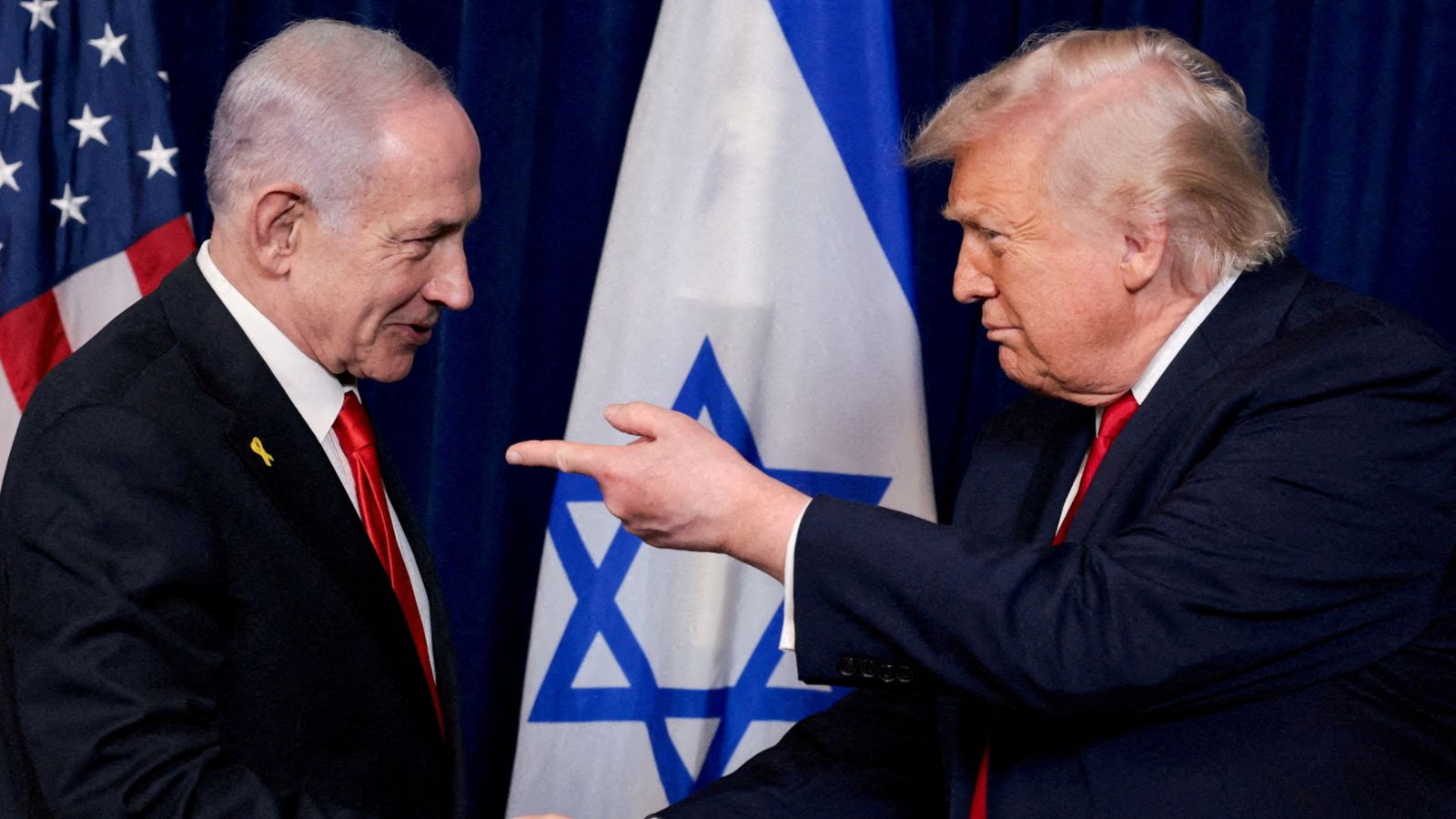
- The Washington Alignment: India has significantly deepened its defense ties with the United States through the Quad framework and bilateral technology sharing agreements. Attending the funeral of a leader targeted and killed by American forces could strain relations with Washington, especially as U.S. lawmakers maintain a hawkish stance on Tehran despite the recent digital memorandums of understanding signed by Donald Trump.
- The Israel Partnership: New Delhi considers Israel a primary defense and technological partner. The assassination of Khamenei was a joint U.S.-Israeli operation, meaning high-level Indian attendance at the funeral ceremonies would be viewed negatively in Tel Aviv.
- The Global Image: Standing alongside delegations from sanctioned nations or militant regional factions at a highly militarized public funeral presents a severe public relations challenge for India on the global stage.
Precedent for Representation
Historical precedent suggests that India will opt for a carefully calibrated compromise rather than a total boycott or a prime ministerial visit. New Delhi has a long track record of managing high-stakes diplomatic losses by lowering the protocol rank of its official delegations.
In May 2024, when Iranian President Ebrahim Raisi and Foreign Minister Hossein Amir-Abdollahian died in a helicopter crash, India did not send Prime Minister Modi. Instead, Vice-President Jagdeep Dhankhar led the Indian delegation to the official memorial service in Tehran, accompanied by senior officials from the Ministry of External Affairs. This allowed India to show neighborly respect without committing its chief executive to a politically charged environment.
More recently, Foreign Secretary Vikram Misri visited the Iranian Embassy in New Delhi on March 5 to sign the official condolence book following Khamenei's death. This established India's formal diplomatic condolences early on, giving policy planners room to send a mid-tier political representative or a special envoy to the July ceremonies, rather than the Prime Minister himself.
The Domestic Political Calculation
Inside India, the decision carries domestic weight. The government must balance its international ambitions with domestic political sensitivities, given the country's sizable Shia Muslim population, which traditionally holds deep religious respect for the leadership in Iran. During the initial aftermath of the February strikes, prominent religious and political figures across various Indian states expressed public grief, and any perceived snub of the funeral could resonate negatively with these domestic constituencies.
Conversely, conservative factions within India's political structure have urged caution, warning against steps that might alienate Western allies or indicate solidarity with an authoritarian state system. The Ministry of External Affairs is currently evaluating these competing pressures, calculating exactly how to show respect for a bilateral partner without validating the regime's regional posture.
The final decision will reveal exactly how New Delhi intends to balance its strategic autonomy against the hard realities of a shifting global order. With the first events scheduled at Tehran's Grand Mosalla complex on July 4, the clock is ticking for Indian diplomats to find a middle path that preserves the Chabahar corridor without undermining ties to the West.