The sea does not care about ownership. To the salt-sprayed hull of the Finikia, the cargo in its belly is nothing more than weight—tons of dense, golden wheat pressing against the steel. But on land, that weight is measured in blood and broken laws.
When the ship appeared on the horizon, it wasn't just a merchant vessel looking for a berth. It was a floating crime scene.
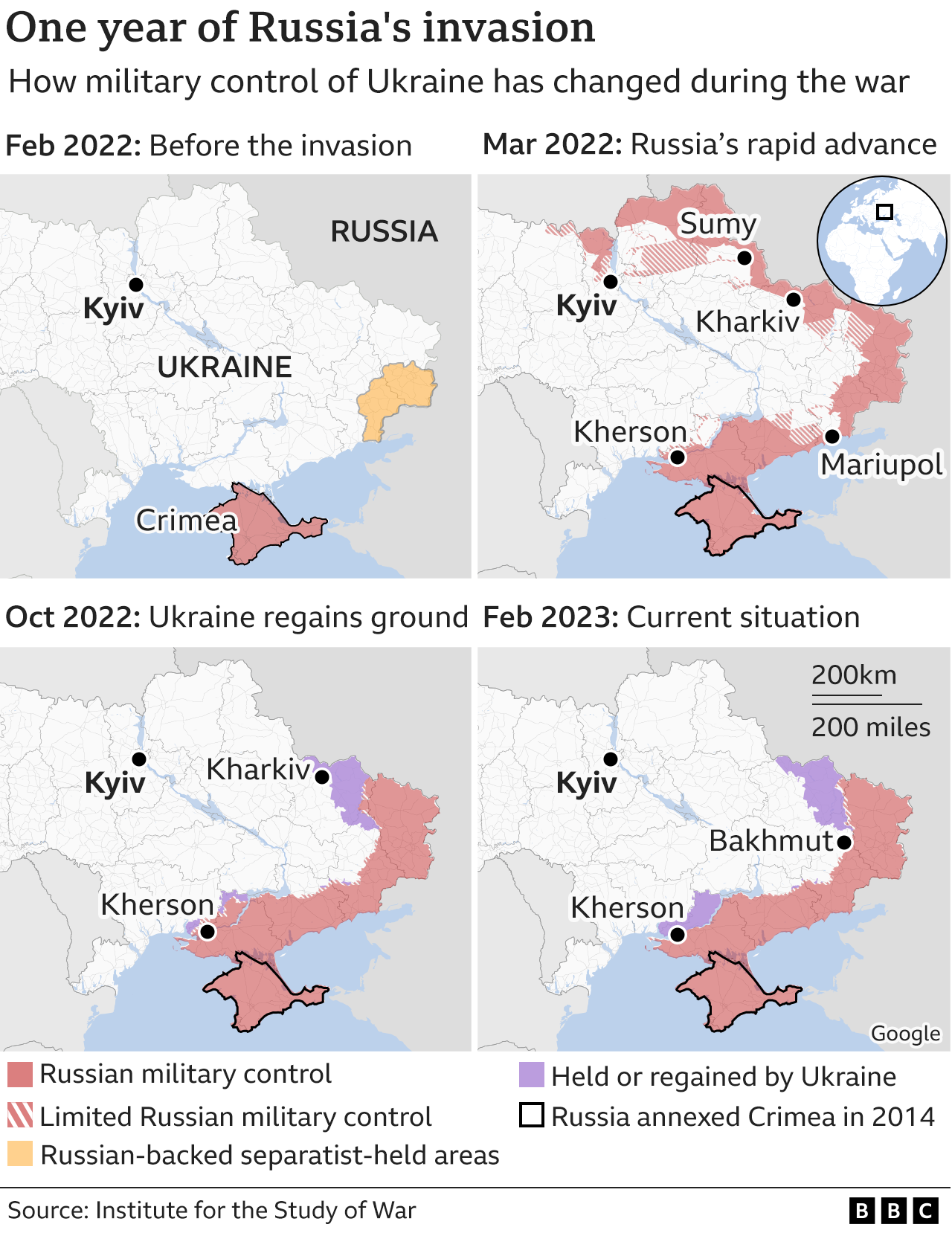
Ukraine calls it stolen. Russia calls it commerce. Israel, caught in the crosshairs of a geopolitical heist, had to decide if it would become a fence for the spoils of war. For the farmers back in the Kherson and Zaporizhzhia regions, the story isn't about international maritime law or diplomatic cables. It is about the dirt under their fingernails and the machines they hid in barns while the world burned around them.
The Anatomy of a Heist
Consider a single grain of wheat. It is a tiny, hard-shelled miracle of caloric energy. Now multiply that by billions. When you move that much volume, you leave a trail, even if you try to scrub it clean.
The Finikia set sail with a cargo that the Ukrainian embassy in Beirut and officials in Kyiv tracked like a heartbeat. They allege the grain was harvested from occupied fields—land where the rightful owners have either fled, been buried, or are currently forced to work under the barrel of a gun. This isn't the standard "business as usual" of global trade. This is the systematic emptying of a nation’s larder.
Think of it like this: Imagine a neighbor breaks into your house, takes the heirloom watch your grandfather left you, and then walks down the street to try and sell it to the jeweler on the corner. The jeweler knows you. He knows the watch. If he buys it, he isn't just a businessman; he’s an accomplice.
Israel found itself in the role of that jeweler.
The ship was headed for the port of Haifa. In the dry, bureaucratic language of shipping manifests, it was simply a delivery. But the pressure from Kyiv was relentless. They didn't just send a polite request; they sent evidence. They sent the coordinates of the silos that were emptied. They sent the names of the ships that turned off their AIS—the digital "license plates" of the sea—to hide their movements in the dark waters of the Black Sea.
Why the Silence Matters
Ship tracking is usually a transparent game. You can go online right now and see thousands of little icons crawling across a digital map. But when a ship goes "dark," the world notices.
The Finikia and ships like it have been accused of a maritime shell game. They dock at occupied ports like Sevastopol, load up with grain that has no paper trail, and then reappear in international waters, suddenly claiming the cargo originated from a legitimate Russian port. It’s a laundering scheme, but instead of cash, the currency is bread.
For a country like Israel, which maintains a delicate, high-wire balancing act between its security interests in Syria (where Russia holds the keys) and its moral and strategic alignment with the West, the Finikia was a ticking time bomb. Accepting the grain would provide a cheap source of food during a time of global inflation, but the cost to Israel's reputation would be astronomical.
Kyiv’s message was blunt: If you unload this ship, you are feeding your people with the survival of ours.
The Human Cost of a Stolen Harvest
To understand the stakes, you have to look away from the ship and toward the soil.
Imagine a farmer named Mykola—a hypothetical man representing the thousands currently living under occupation. Mykola spent the spring of 2024 dodging shelling to plant his winter wheat. He used his last reserves of fuel. He risked landmines buried in the furrows of his ancestors' fields. He watched the stalks turn from green to a shimmering, pale gold.
Then, the trucks arrived.
They weren't his trucks. They didn't take the grain to his usual cooperative. They took it to the port. They poured his sweat and his risk into the hold of a ship like the Finikia. For Mykola, that grain isn't a commodity. It’s his life’s work, and it’s the only way he can afford to plant again next year. When that grain is sold on the international market, the money doesn't go back to the village. It goes into the machinery of the very force that took it.
This is the "invisible stake" that doesn't make it into the headlines about shipping routes and diplomatic tensions. Every ton of grain redirected is a blow to the future of a village that has already lost its young men to the front lines.
The Pivot in the Mediterranean
The tension built as the ship neared its destination. The world waited to see if the economic pull of cheaper grain would outweigh the diplomatic pressure.
But then, the news broke.
Kyiv announced that the vessel would not unload in Israel. The ship would be turned away, or its cargo refused. Whether it was the weight of the evidence provided by Ukraine or the quiet backroom dealings of diplomats who realized the optics were untenable, the result was a rare moment of accountability on the high seas.
But where does a "ghost ship" go when its destination slams the door?
It wanders. It looks for a port with a shorter memory or a hungrier population. It looks for a government that is willing to look the other way in exchange for a discount. The Finikia becomes a pariah, a floating reminder that the war in Ukraine is not confined to the trenches of the Donbas. It is being fought in the grocery aisles of the Middle East and the ports of the Mediterranean.
The rejection of the cargo in Israel is a victory for the concept of international property rights, but it is a hollow one for the people on the ground. The grain is still gone. The silos are still empty. The farmers are still staring at empty accounts.
The Global Breadline
We often talk about war in terms of territory gained or lost. We look at maps with red and blue shading. But the true map of this conflict is a map of calories.
Ukraine is the "breadbasket of Europe," a phrase so common it has become a cliché. But clichés exist because they are fundamentally true. When that basket is looted, the ripples move outward. Lebanon, Egypt, Israel, and Yemen all rely on this region to keep the lights on and the ovens warm.
When Russia controls the flow of Ukrainian grain, they aren't just gaining an export; they are gaining a leash. They can choose who eats and who starves. They can use food as a silent weapon, more effective than any cruise missile because you can't shoot down a famine.
The Finikia incident is a crack in that strategy. It proves that even in a world obsessed with the bottom line, there are still some things that are too expensive to buy.
The Lingering Shadow
The ship will eventually find a place to dock. The grain will eventually be ground into flour. Somewhere, someone will eat a piece of bread made from wheat that was grown by a man who was never paid, on land that is currently a battlefield.
They won't taste the salt of the Black Sea or the smoke of the artillery. They will just see a loaf of bread.
But for those who watched the Finikia drift toward Haifa and then turn away, that bread will always have a bitter aftertaste. It is the taste of a harvest that was never meant to be shared this way. It is a reminder that in the modern world, there is no such thing as a "dry" fact or a "standard" delivery.
Everything is connected. The dirt in Kherson, the steel in Haifa, and the conscience of a nation.
The ship moves on, a dark shape against the blue of the Mediterranean, carrying its stolen weight toward the next horizon, waiting for the world to stop caring about where its food comes from.