The salt air in the Strait of Hormuz doesn't just smell like the sea. It smells like money, exhaust, and the invisible weight of global tension. Imagine standing on the deck of a rusted tanker, the deck plates vibrating beneath your boots as millions of gallons of crude oil slosh rhythmically in the belly of the beast. This narrow strip of water, a mere twenty-one miles wide at its tightest choke point, is the carotid artery of the world economy. If it gets squeezed, the heart of global industry skips a beat.
Recently, the rhetoric surrounding this passage took a turn toward the cinematic. Donald Trump, speaking with his trademark bluntness, likened the United States' actions in seizing Iranian oil to the work of pirates. "We're like pirates," he remarked, a phrase that conjures images of eye patches and cutlasses. But the reality is far removed from a Hollywood set. It is a calculated, high-stakes game of maritime chess where the board is made of deep blue water and the pieces are worth hundreds of millions of dollars.
The Invisible Seizure
To understand the weight of these words, you have to look past the political theater. When a ship is seized, it isn't always a dramatic boarding under the cover of darkness. Often, it begins with a legal filing in a quiet courtroom thousands of miles away. It starts with a paper trail.
The U.S. government identifies a vessel suspected of carrying sanctioned Iranian oil. They track its "dark" maneuvers—the moments when a ship turns off its transponder to disappear from global tracking maps. This is the modern version of a ship flying a false flag. The vessel lingers in the shadows, transfers cargo to another ship in a clandestine mid-sea exchange, and hopes to blend back into the legitimate flow of commerce.
But the eyes in the sky are relentless. Satellite imagery and data analytics map these anomalies until the trap is set. By the time the order is executed, the "piracy" is actually a cold, clinical application of international sanctions. The oil is redirected, the cargo is sold, and the proceeds are often diverted into funds for victims of state-sponsored terrorism.
The Human Cost of a Squeeze
Behind the headlines of "seizures" and "pirates" are the people caught in the machinery of geopolitics. Consider a merchant sailor. They aren't politicians. They are workers, often from developing nations, who spend months away from their families to ensure that the lights stay on in cities they will never visit.
When a ship is intercepted, these sailors find themselves in a limbo that the evening news rarely covers. They are the collateral in a struggle between superpowers. They sit on a vessel that has become a floating crime scene, waiting for lawyers and diplomats to decide their fate. Their anxiety is a quiet hum, mirrored by the low thrum of the ship’s idle engines.
For the average person pumping gas at a station in Ohio or a commuter catching a bus in London, these "pirate" actions feel distant. They are not. Every time a ship is diverted, the risk premium on global shipping inches upward. Insurance rates for tankers spike. The cost of moving energy from point A to point B becomes a volatile variable. We feel the "piracy" at the pump, in the grocery store, and in the heating bills that arrive in the dead of winter. It is a butterfly effect where a legal maneuver in the Persian Gulf creates a financial tremor in your bank account.
The Strategy of the Brazen
Why use the word "pirate"? Usually, leaders choose words to project power or to simplify complex international law for a home audience. By embracing the label, Trump leaned into a specific type of American exceptionalism—the idea that the rules are what you make them when you have the biggest fleet.
But labeling oneself a pirate is a double-edged sword. To the U.S. Treasury, these are "civil forfeiture actions." They are viewed as essential tools to bankrupt regimes that fund instability. To the critics, and to Iran itself, these actions are viewed as a violation of the freedom of navigation. Iran has frequently retaliated by seizing tankers belonging to U.S. allies, creating a cycle of "tit-for-tat" maritime aggression.
The Strait of Hormuz becomes a hall of mirrors. Who is the pirate, and who is the privateer? A privateer, historically, was a pirate with a government license. The distinction is thin, resting entirely on which side of the border you stand.
The Mechanics of the Hunt
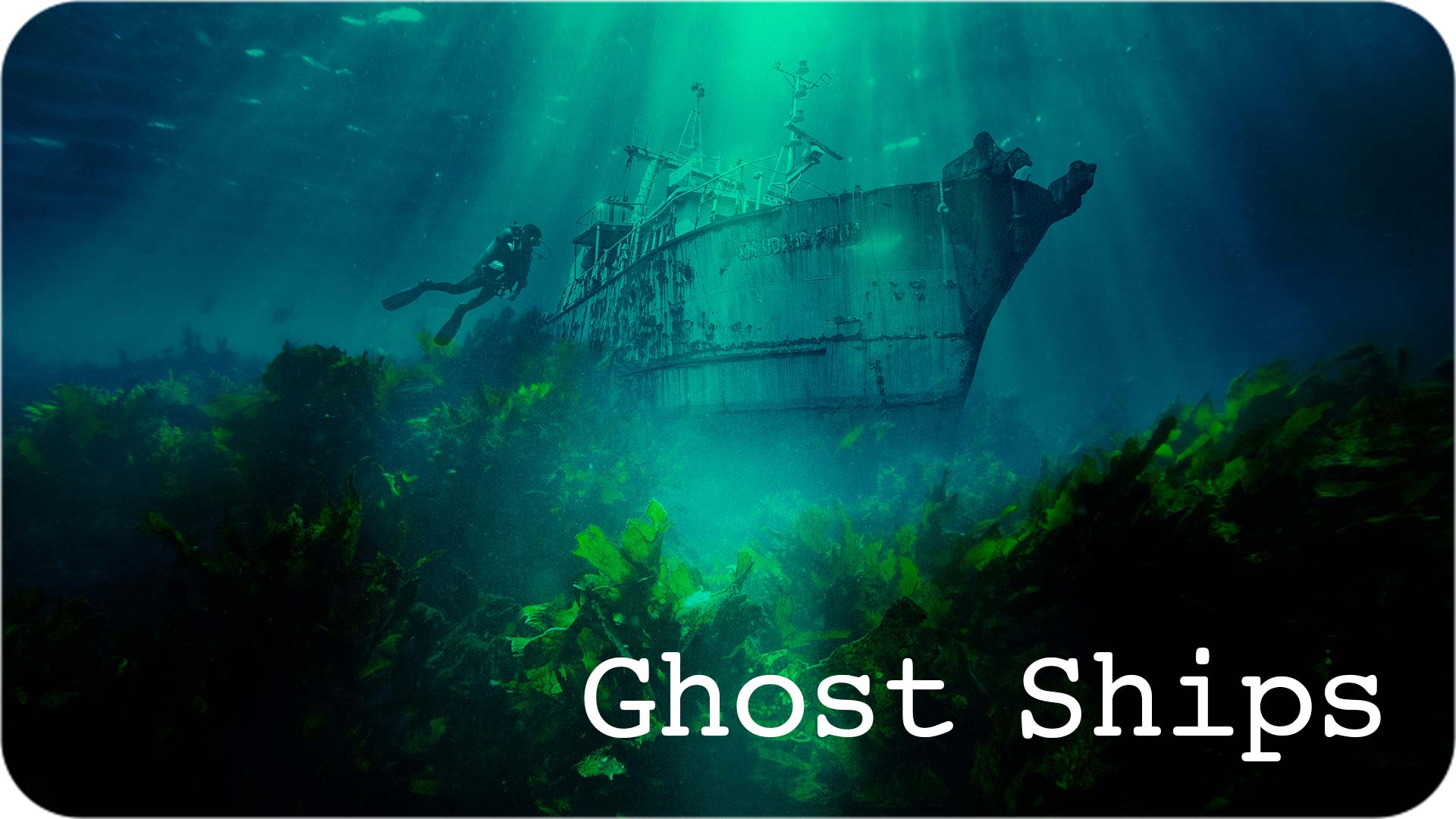
The process of seizing these "ghost ships" is a masterclass in modern logistics and legal maneuvering. It isn't just about the U.S. Navy showing up with guns drawn. It involves:
- Financial Intelligence: Mapping the shell companies that own the vessels. A ship might be owned by a company in the Marshall Islands, managed by a firm in Singapore, and fly the flag of Panama, all while carrying Iranian crude.
- Geofencing: Using sophisticated radar to detect when a ship "goes dark" in a specific zone known for illicit transfers.
- Asset Liquidation: Once the ship is brought to a friendly port, the oil must be tested for its chemical signature—a "DNA" test that proves its origin—before it can be sold on the open market.
It is a slow-motion pursuit. There is no high-speed chase. There is only the steady, inevitable closing of the net.
A World Built on Thirsty Engines
We live in an age that desperately wants to move past oil, yet we are still tethered to it by a thousand invisible threads. The tension in the Strait is a reminder of our fragility. We discuss green energy transitions and the future of tech, but the world’s pulse is still measured in barrels per day.
When a ship is seized, it is a reminder that the "global order" is not a static thing. It is something that is enforced, daily, through friction and force. The "pirates" of the modern era don't want gold doubloons. They want the black gold that lubricates the gears of every factory on the planet.
The sailors on those ships look out at the horizon, watching for the grey hulls of warships. They know that they are small players in a story that spans continents. They are the ones who feel the humidity and the fear. They are the ones who understand that the ocean is a place where the law of the land often feels like a suggestion, and the power of the state feels like an act of God.
The sun sets over the Strait, casting long, golden shadows across the water. Another tanker begins its transit. Its lights flicker on, a lone star in a dangerous sea. Somewhere, a satellite tracks its heat signature. Somewhere else, a lawyer prepares a motion. The game continues, and the ghosts of the Strait continue to haunt the ledgers of the world's most powerful nations.
Power isn't just about who owns the oil. It's about who has the audacity to take it.